

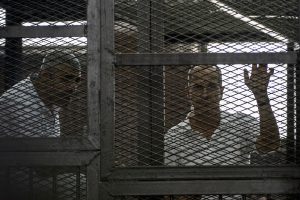







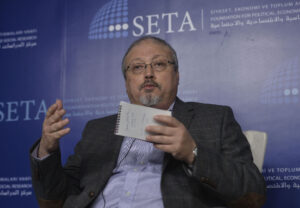







The following cases are selected examples of unlawful and abusive prosecutions and detentions. DAWN case files include extensive factual information about the background of detainees and comprehensive details regarding their arrest, charges, trial (if any), hearings, witnesses (if any), evidence (if any), sentencing (if any), detention conditions, and family retaliation by the government.
Detainees represent a cross-section of society, including not only human rights activists, but also businesspeople, former government officials, and elite members of society.
We include information about the police, intelligence agents, prosecutors, judges, jailers, and other government officials involved in these prosecutions, where available. Our information is gathered primarily from direct communication with the detainee and his/her representatives or associates, but also relies on reports and articles prepared by other organizations and individuals that we deem reliable.
The information provided is intended to provide journalists, researchers, policy experts, and the general public with a comprehensive account of the detainee's experience in X country's justice system. We will update case files as new developments emerge.
Saudi Arabia's long war in Yemen has entered a new and uncertain phase. After years of tolerating southern separatist consolidation...
Read moreDetailsThe region-wide American and Israeli war with Iran is exacerbating the Egyptian economy's pre-existing and overlapping pressures.
Read moreDetailsTo maintain influence, Abu Dhabi also aligns its efforts with Western, right-wing populism, including anti-immigrant and anti-Muslim rhetoric, ensuring that...
Read moreDetails(Washington, D.C., April 1, 2026) – States should take immediate action, including imposing an arms embargo and sanctions, to stop...
Read moreDetailsWashington D.C., July 24, 2025) — Jordanian authorities should hold accountable the security officers responsible for the brutal beating of...
Read moreDetailsNo tyrant can implement tyranny against an entire country on his own. He needs enablers who will implement his oppressive practices, even if it means abusing their fellow citizens. These agents often work in the shadows, where they mask their complicity in the guise of professionals exercising their duties in offices, courtrooms, police stations, and interrogation rooms.
Some of these state agents go to great lengths to hide their identities even where domestic law requires disclosure, including by assuming fictitious identities. Sometimes this is justified in the name of protecting their security, but in many cases, they seek to conceal their abusive functions to avoid public shaming, particularly among colleagues or friends who believe them to be respectable officials.
© DAWN. Website Design by KRS Creative.