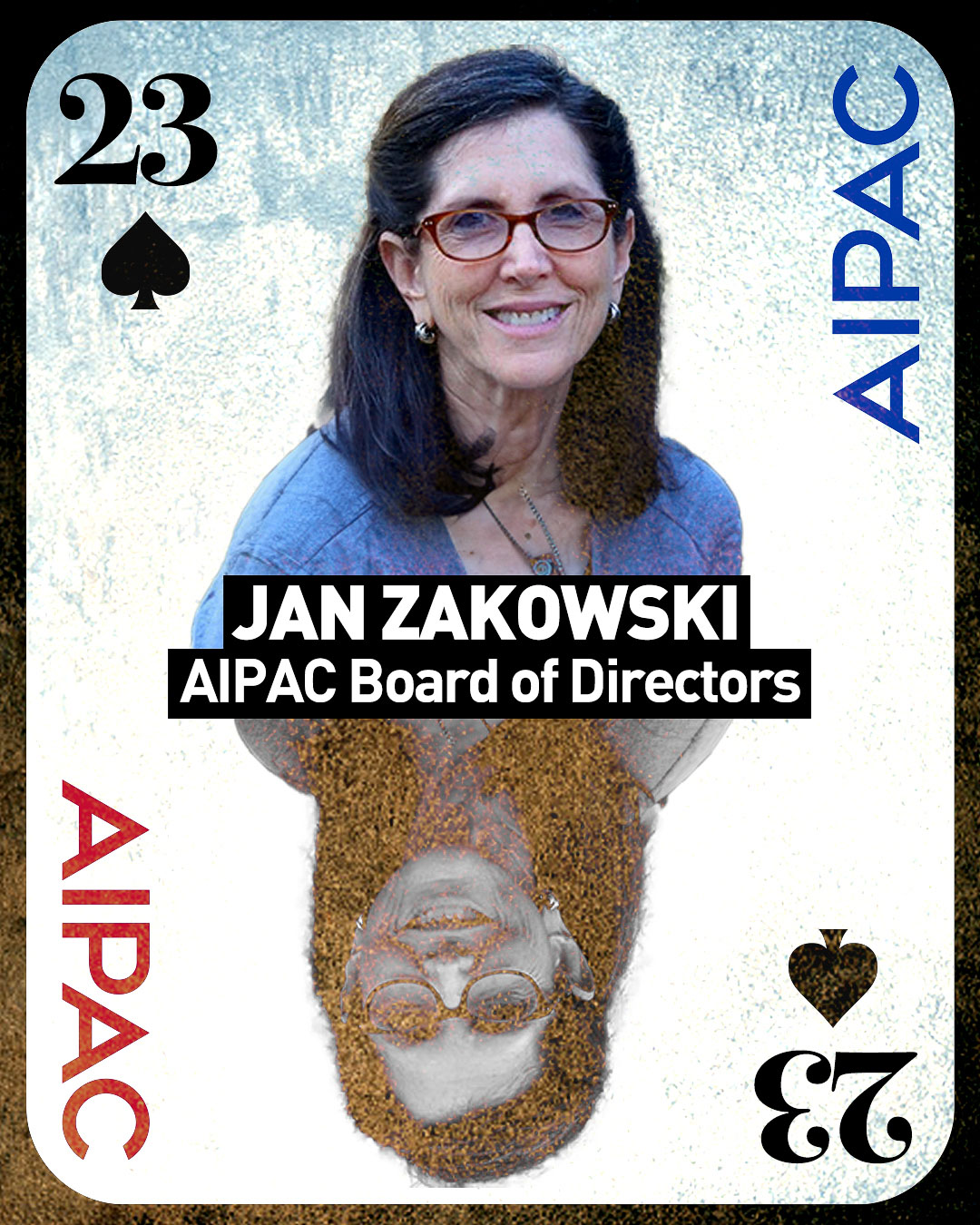
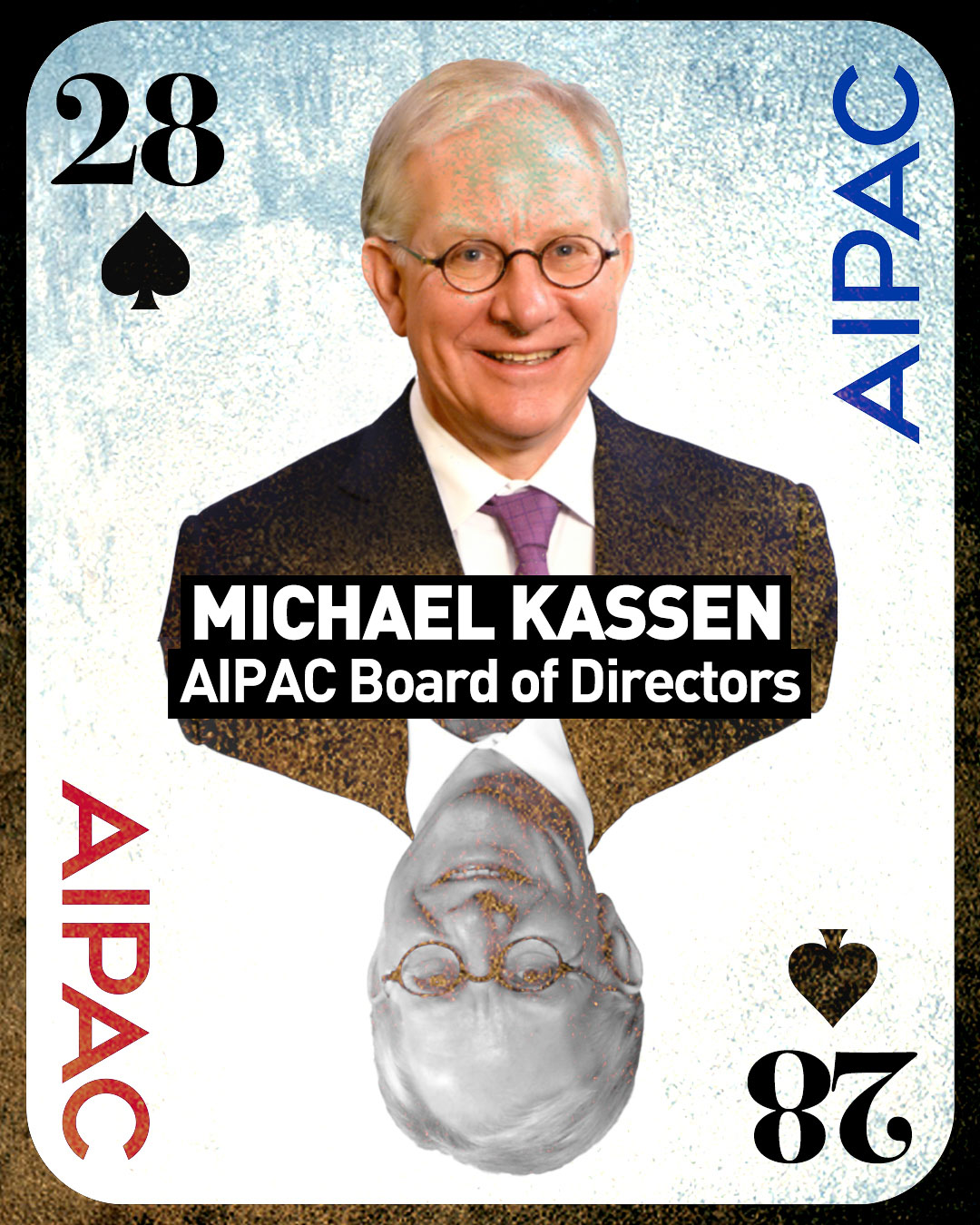
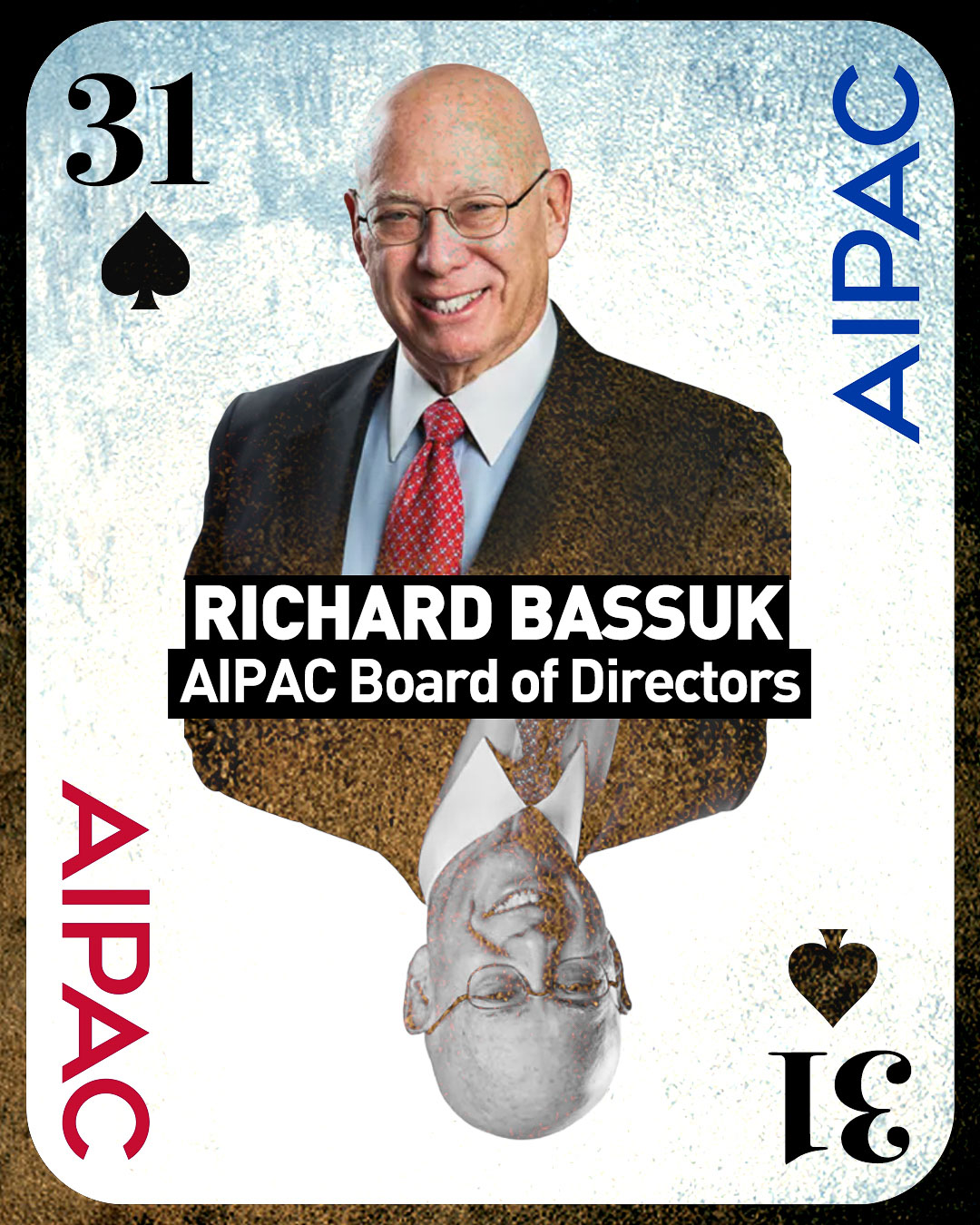
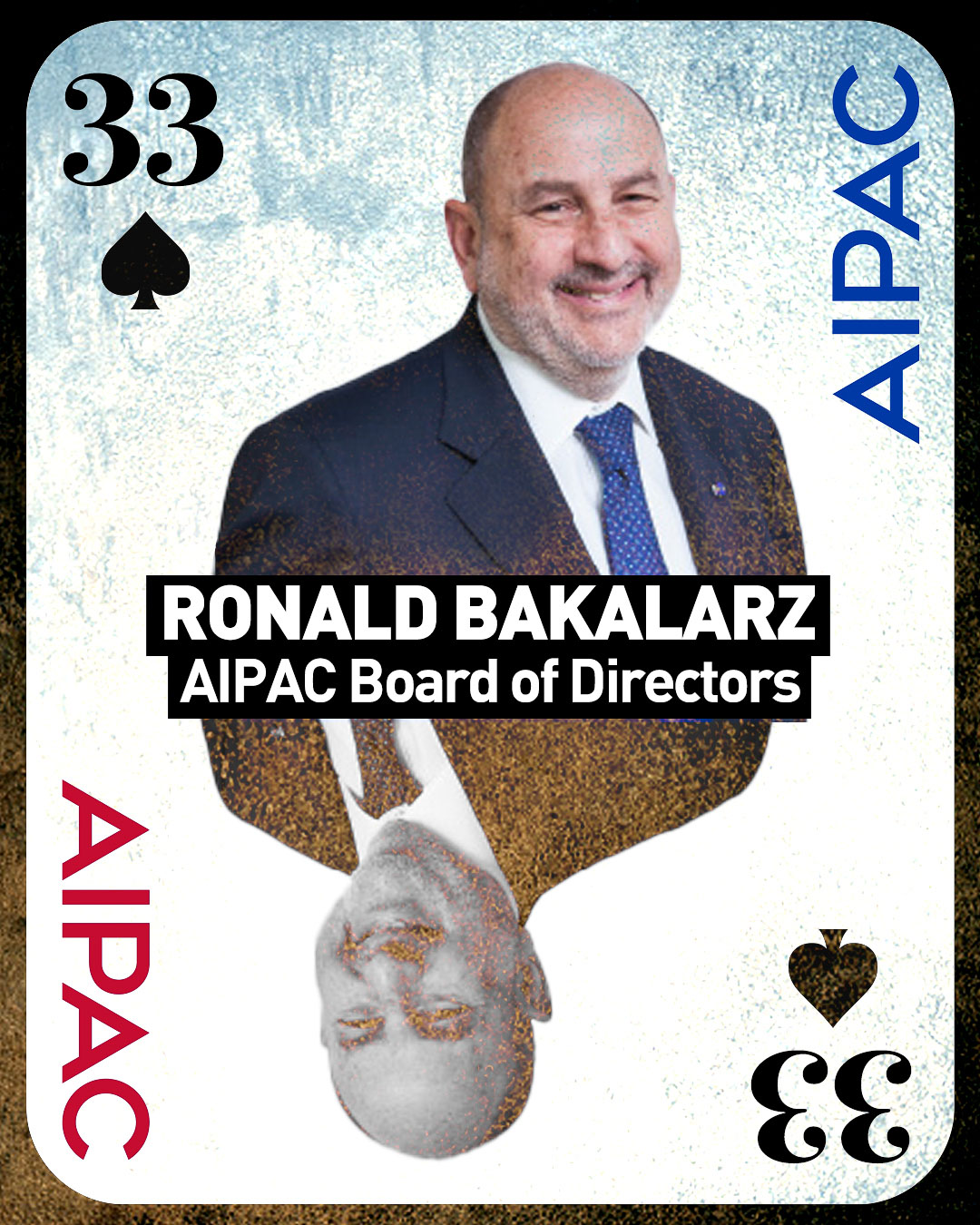
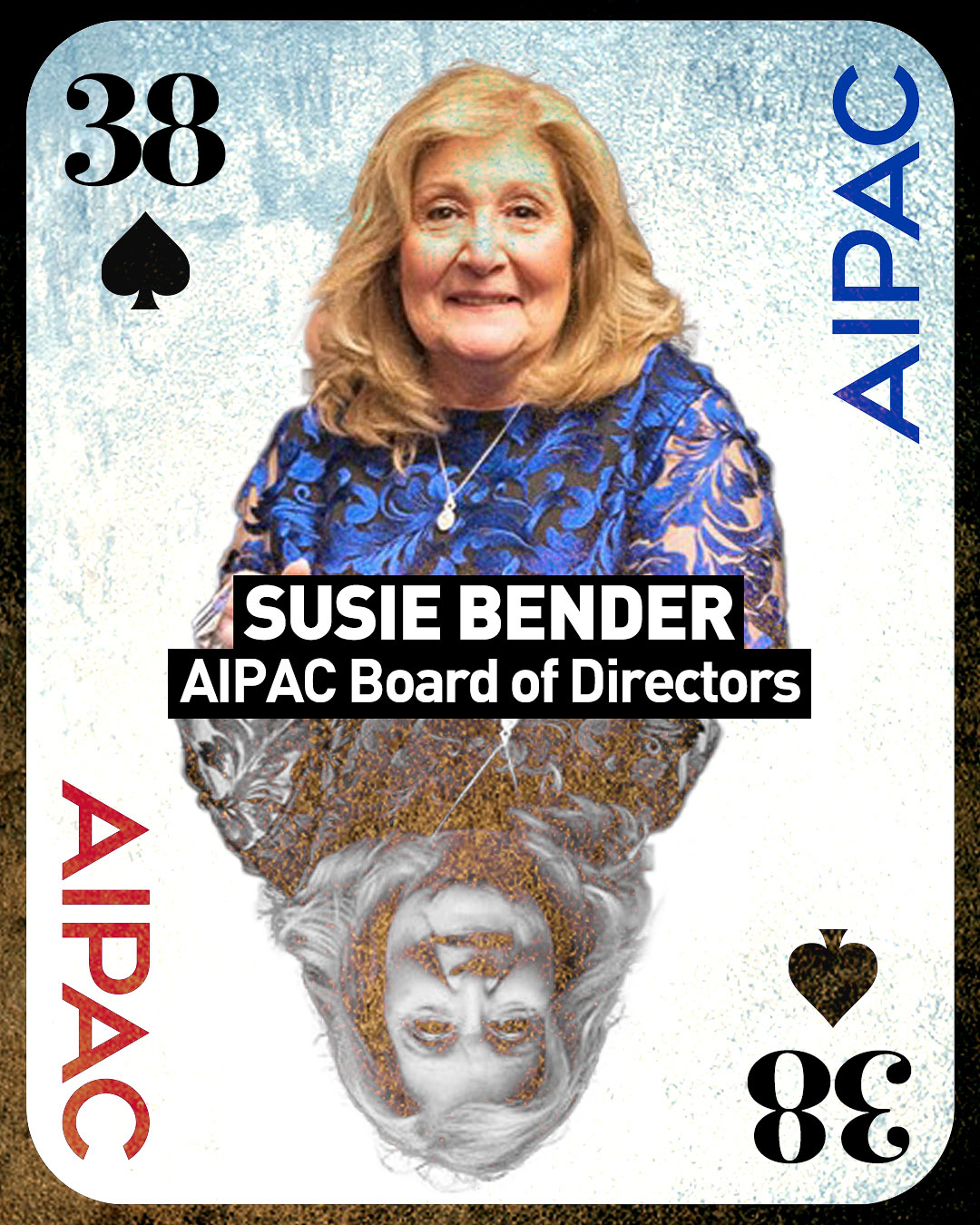
Unlike comparable organizations of its size and influence, American Israel Public Affairs Committee (AIPAC) does not maintain a public leadership page identifying the individuals who govern and direct its operations.
We seek to provide the transparency AIPAC refuses to offer—the missing "Who We Are" page they won't create.
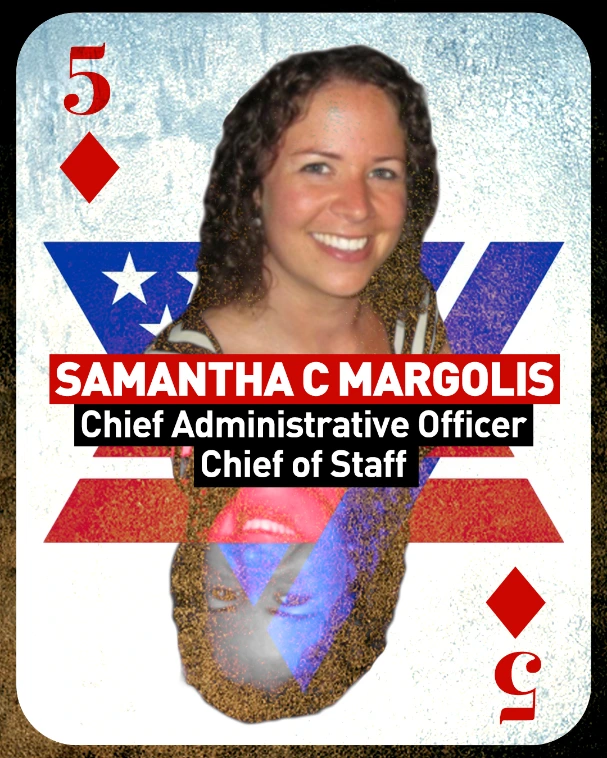
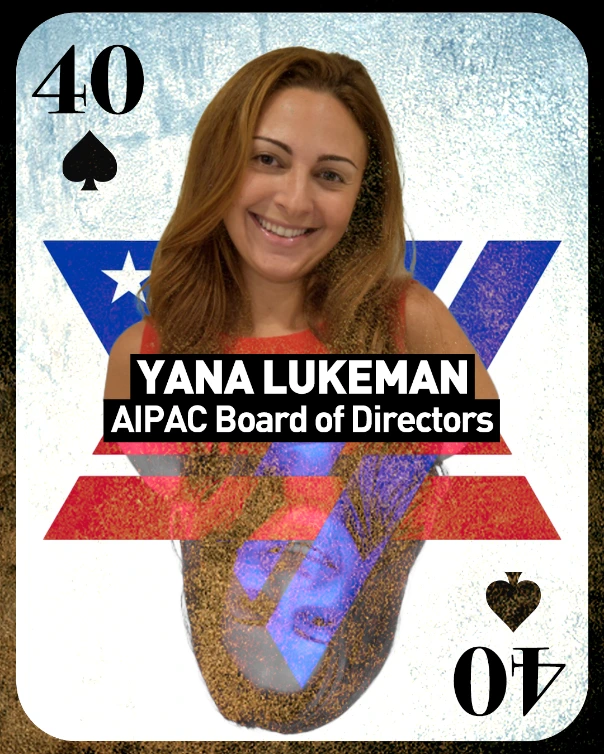
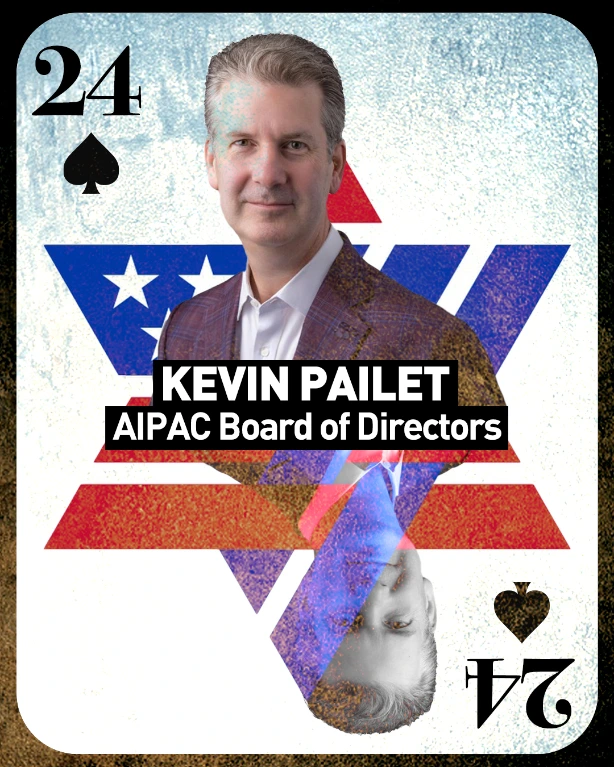
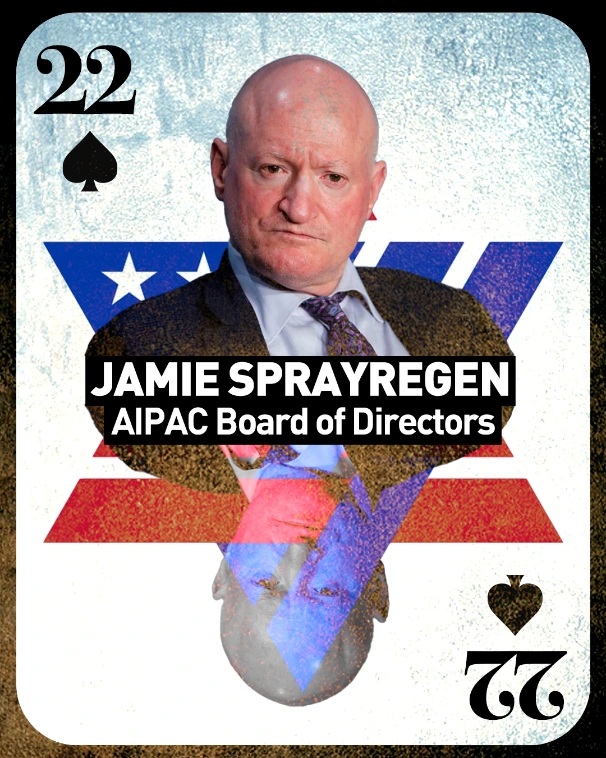
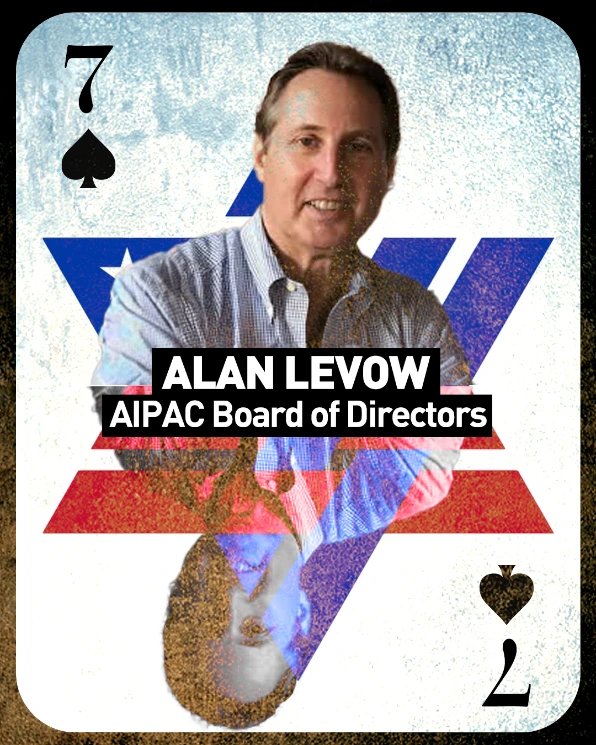
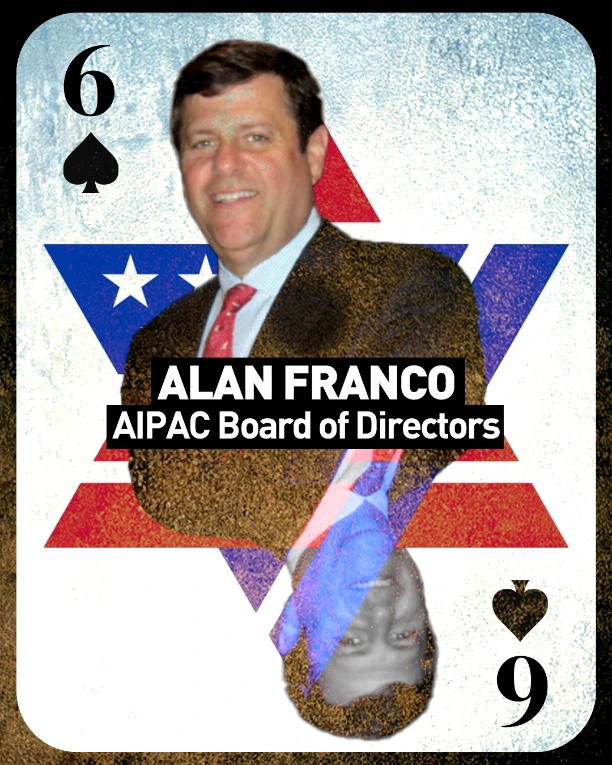
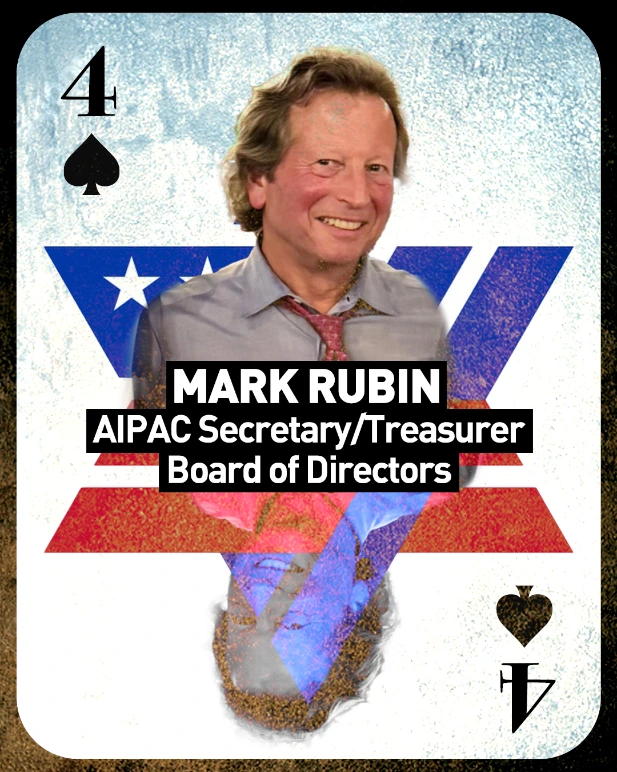
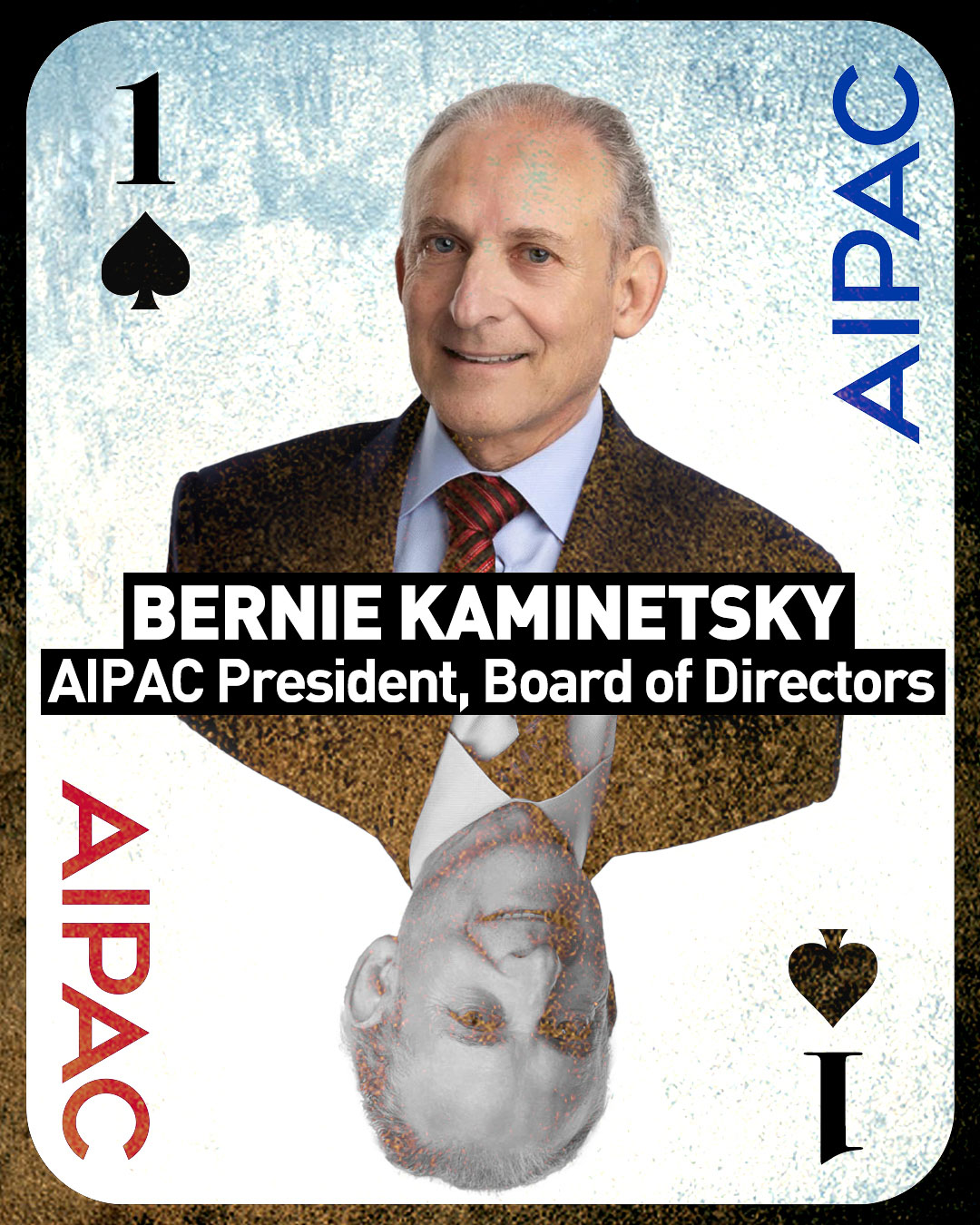
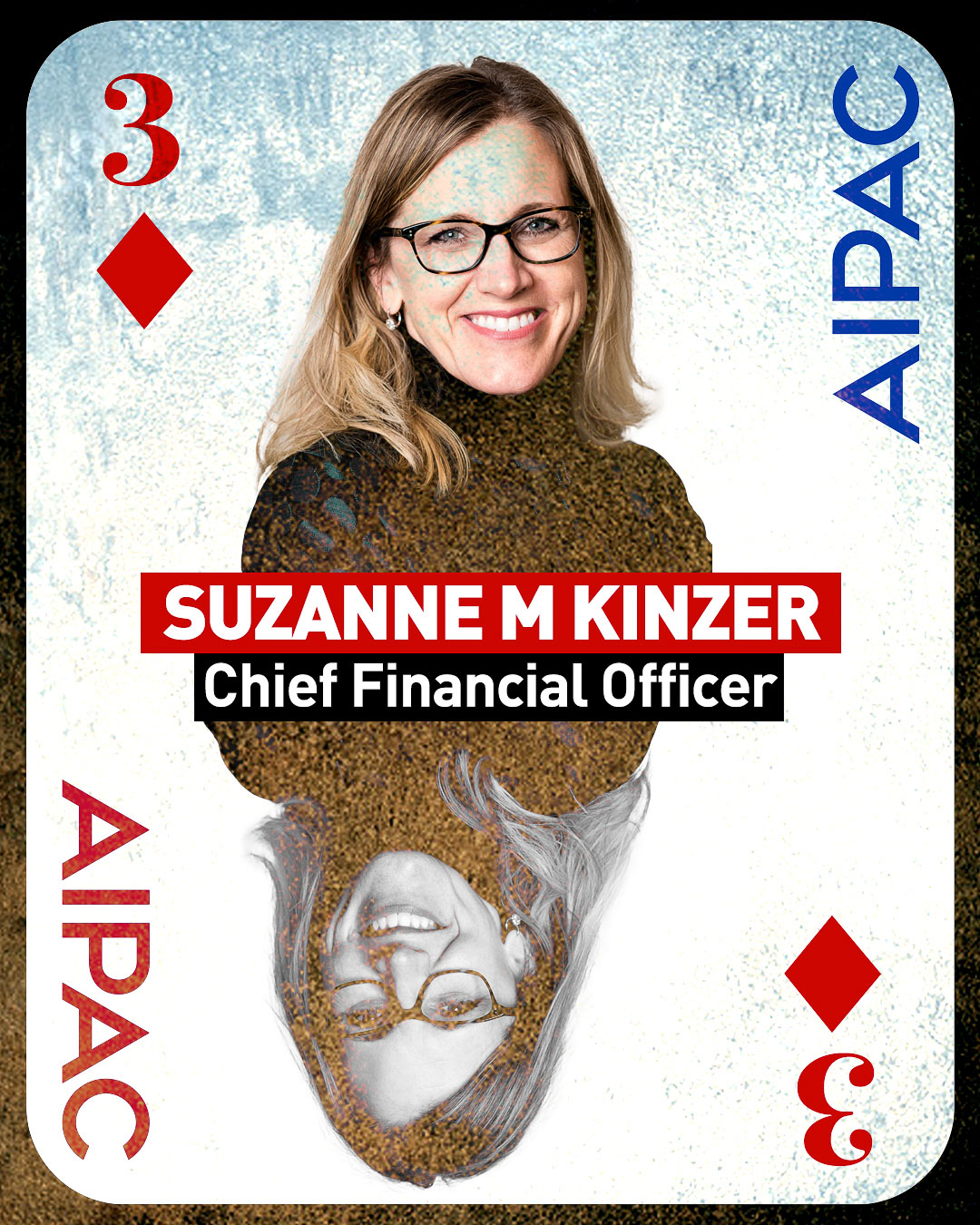
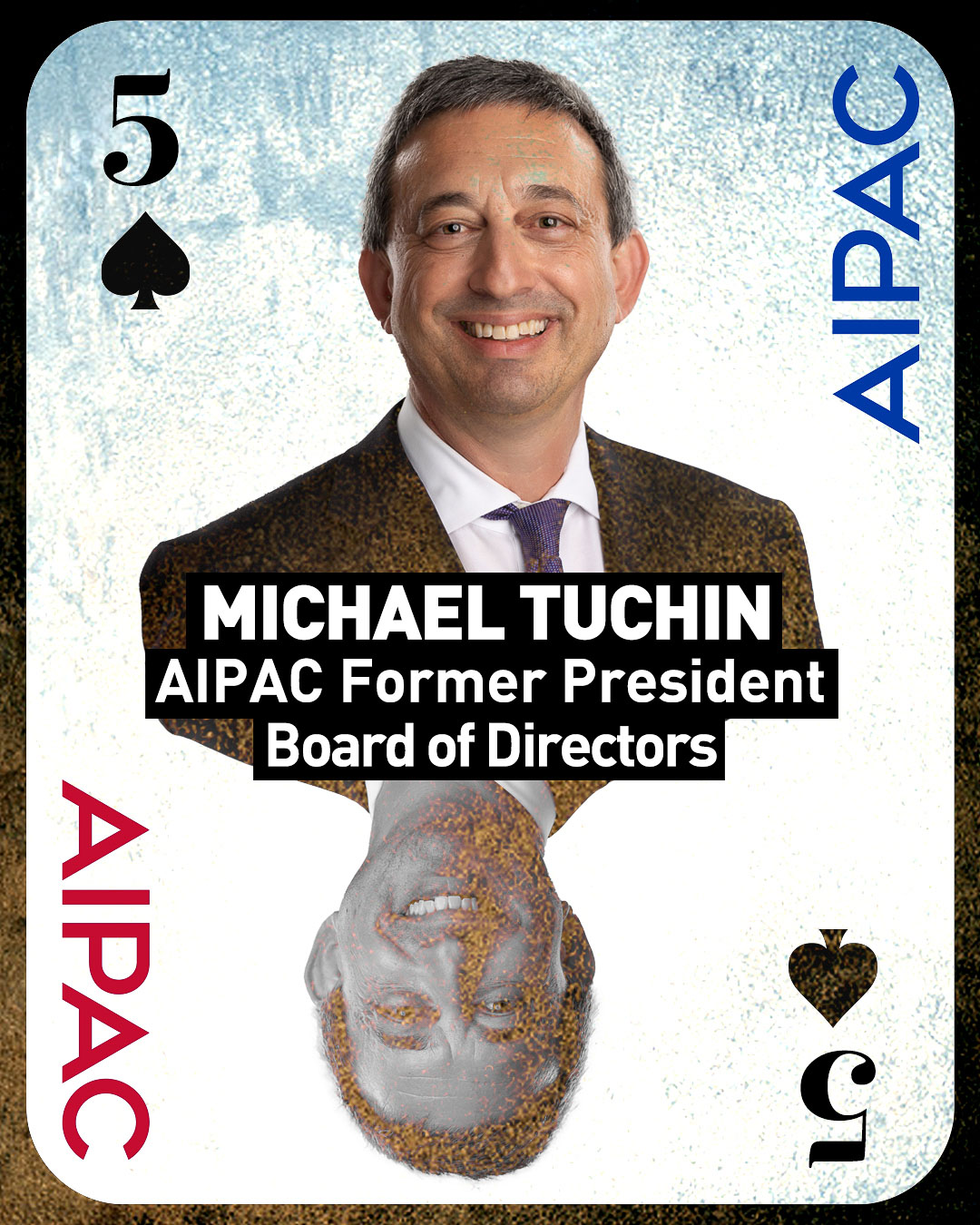
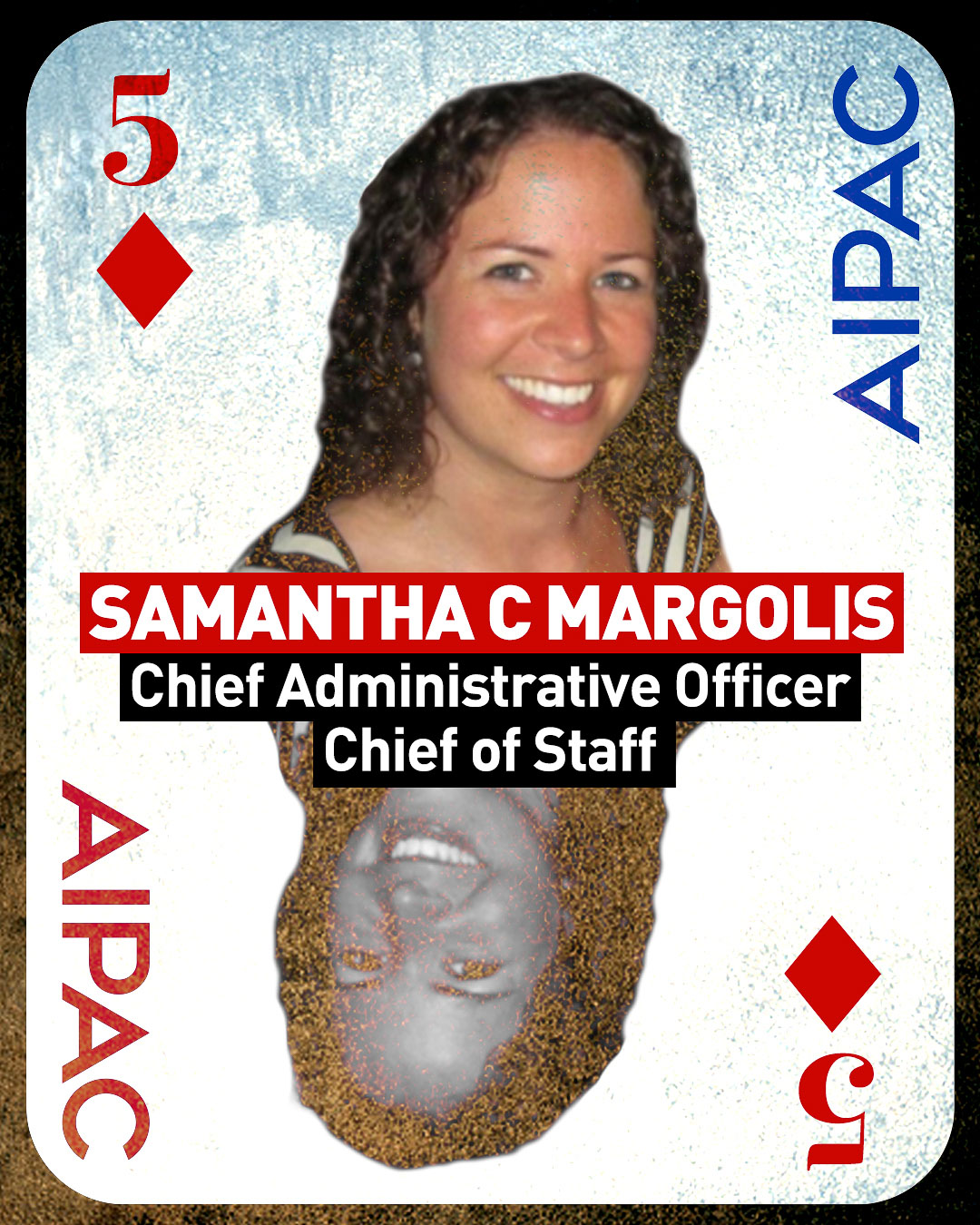
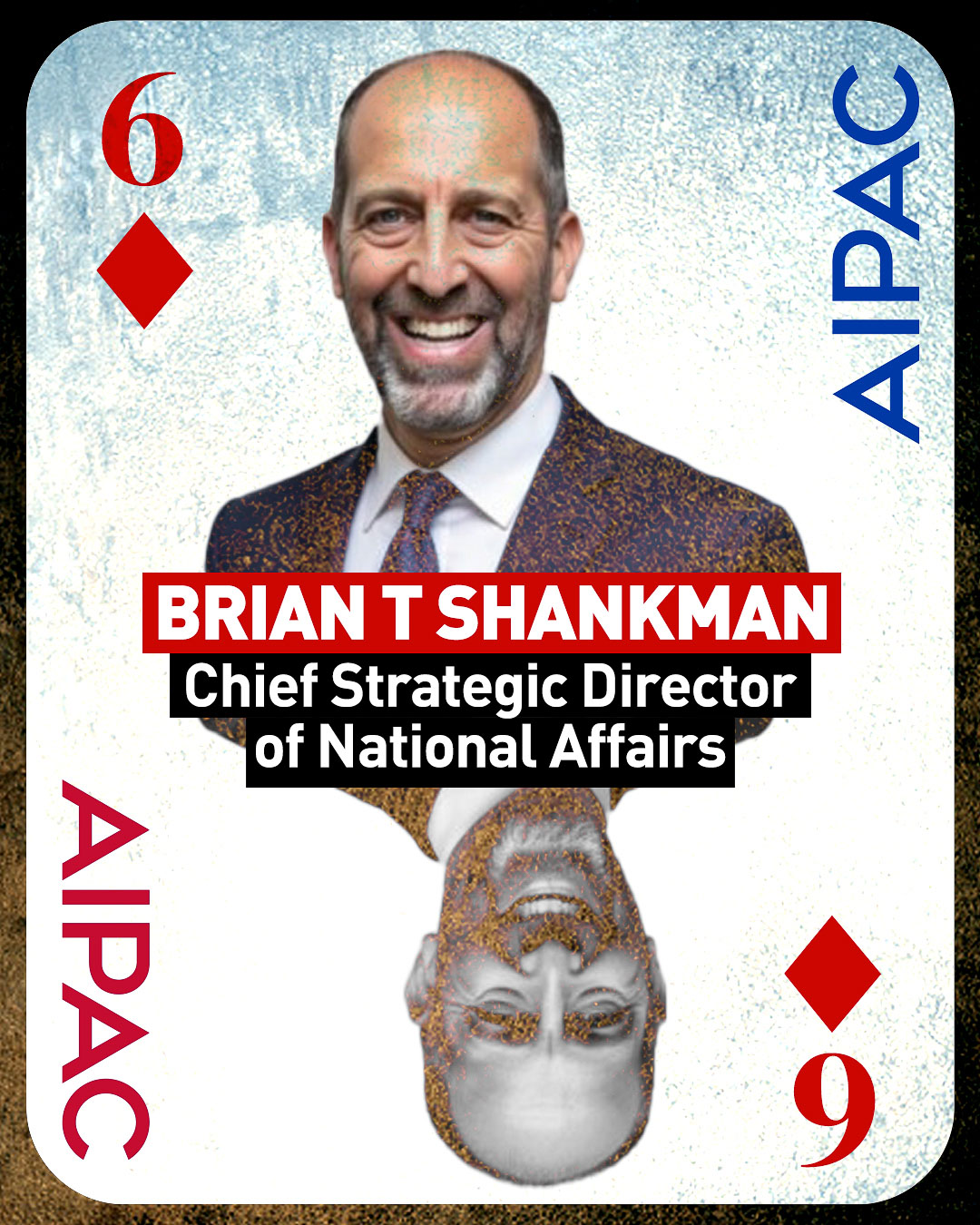
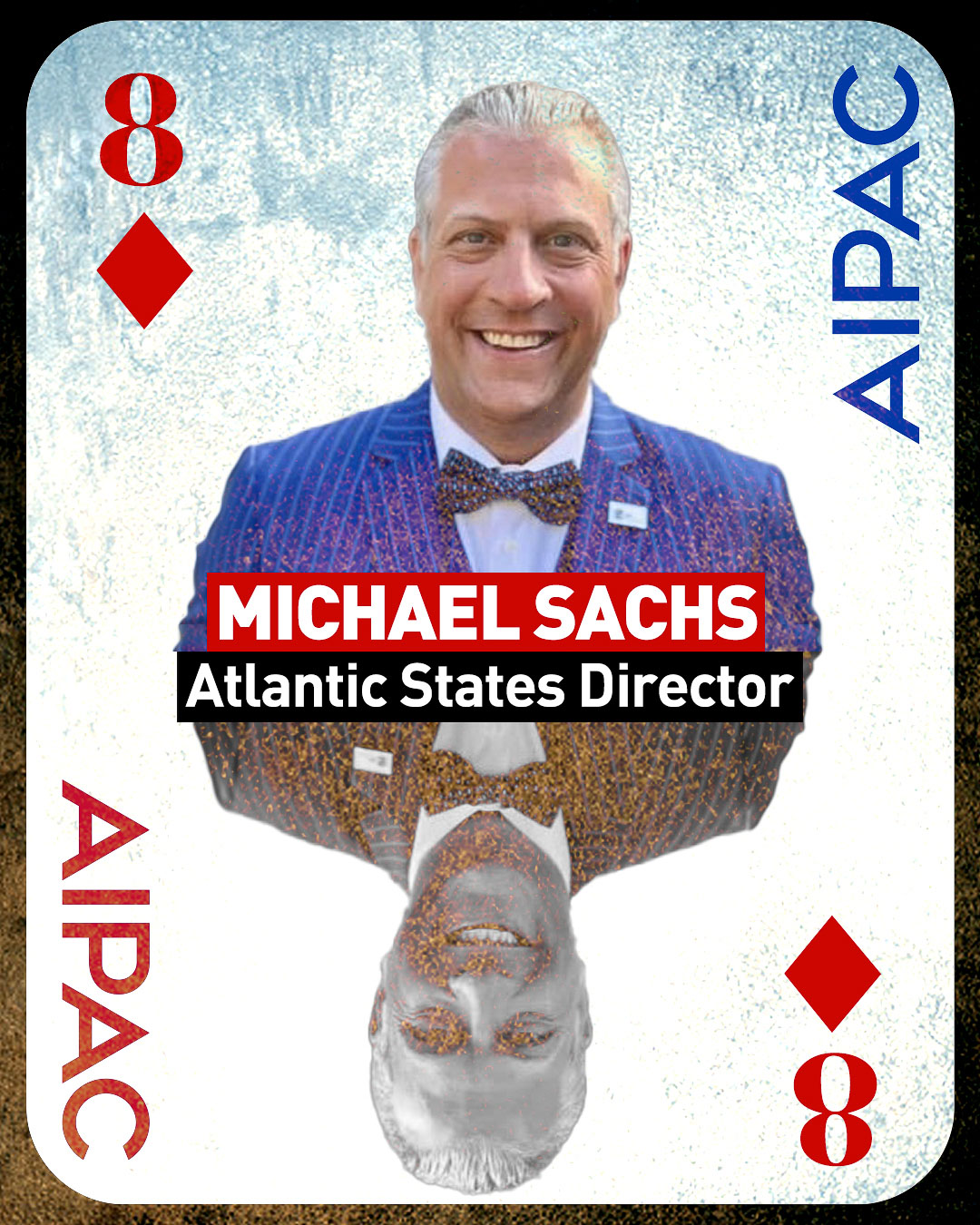
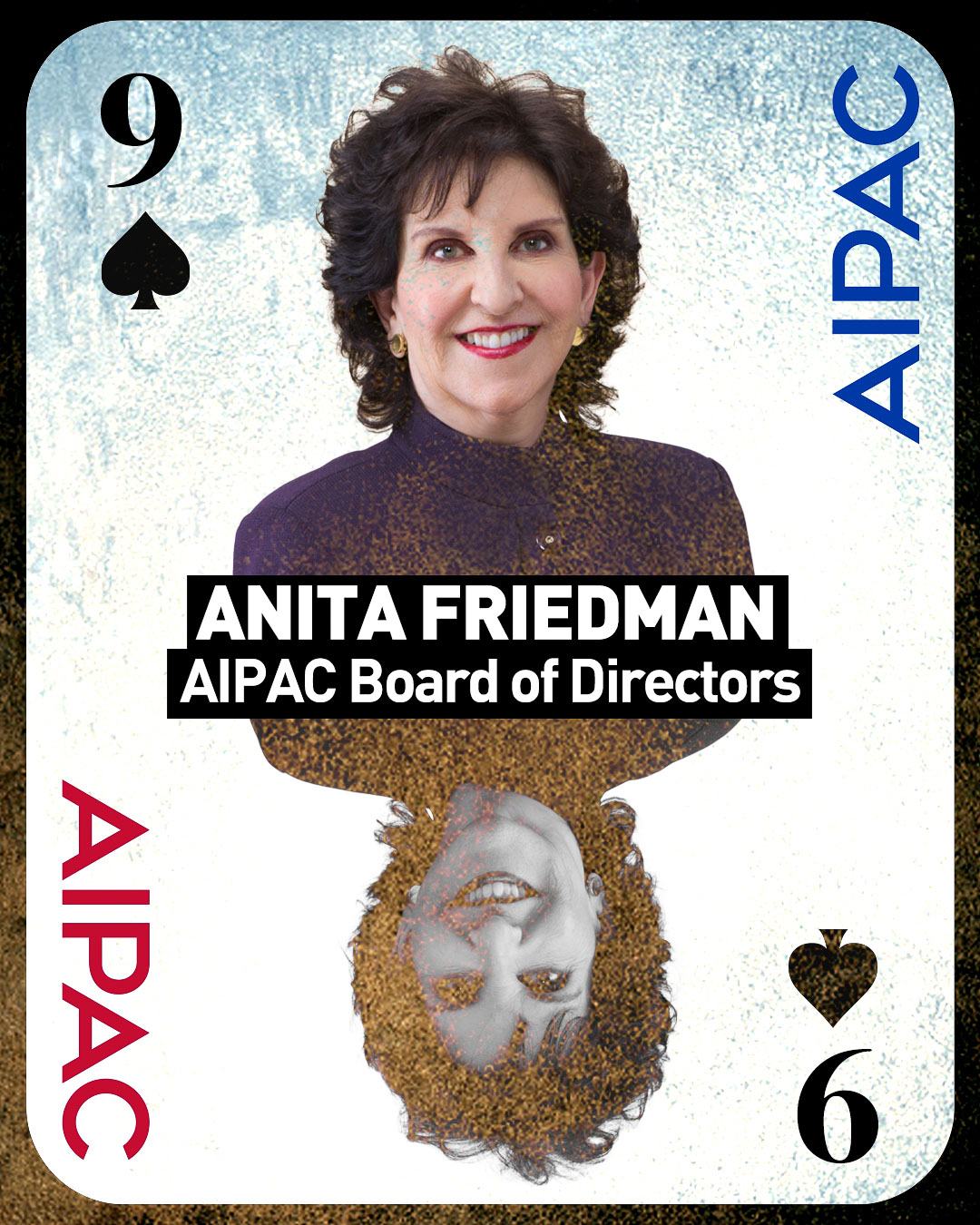
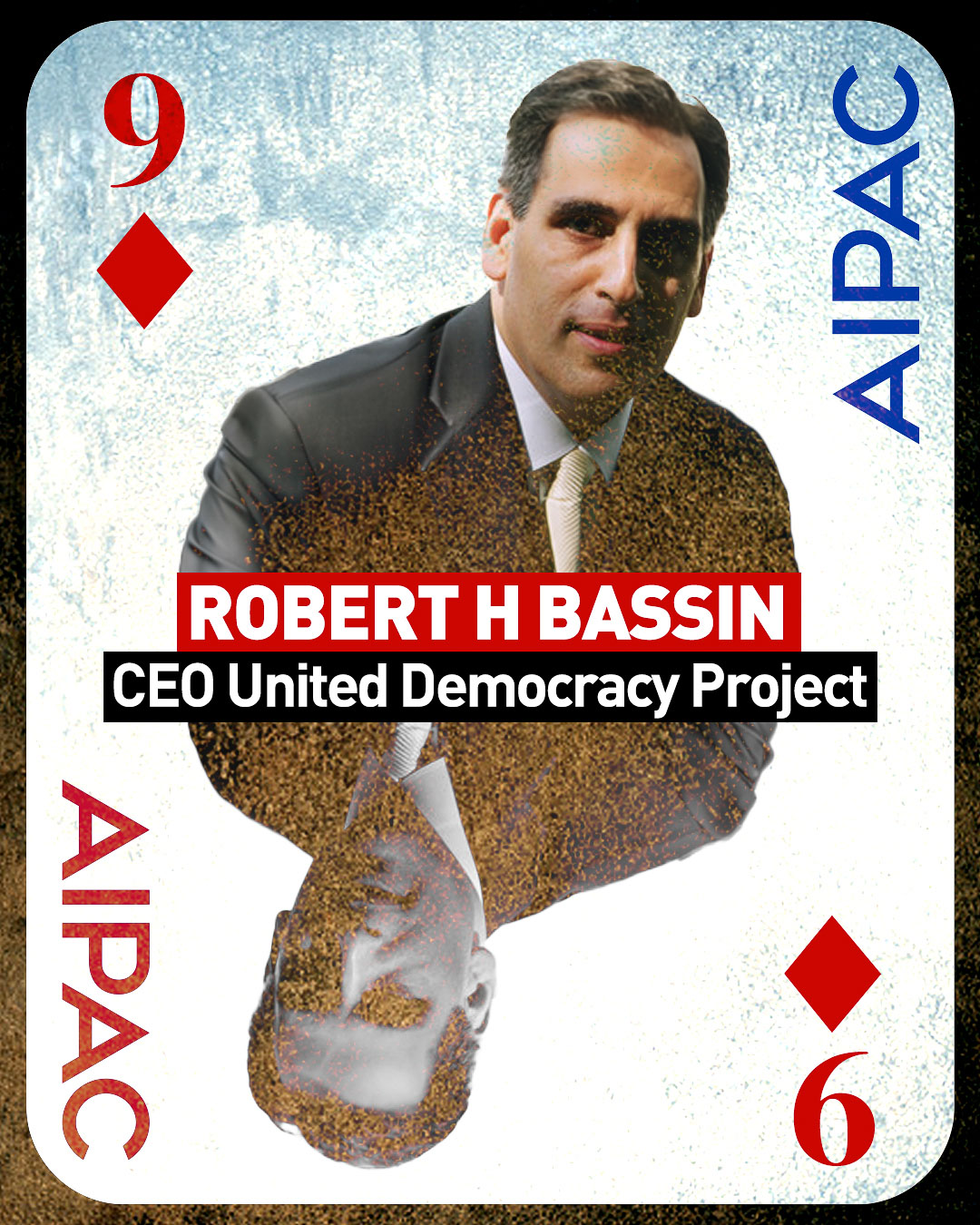
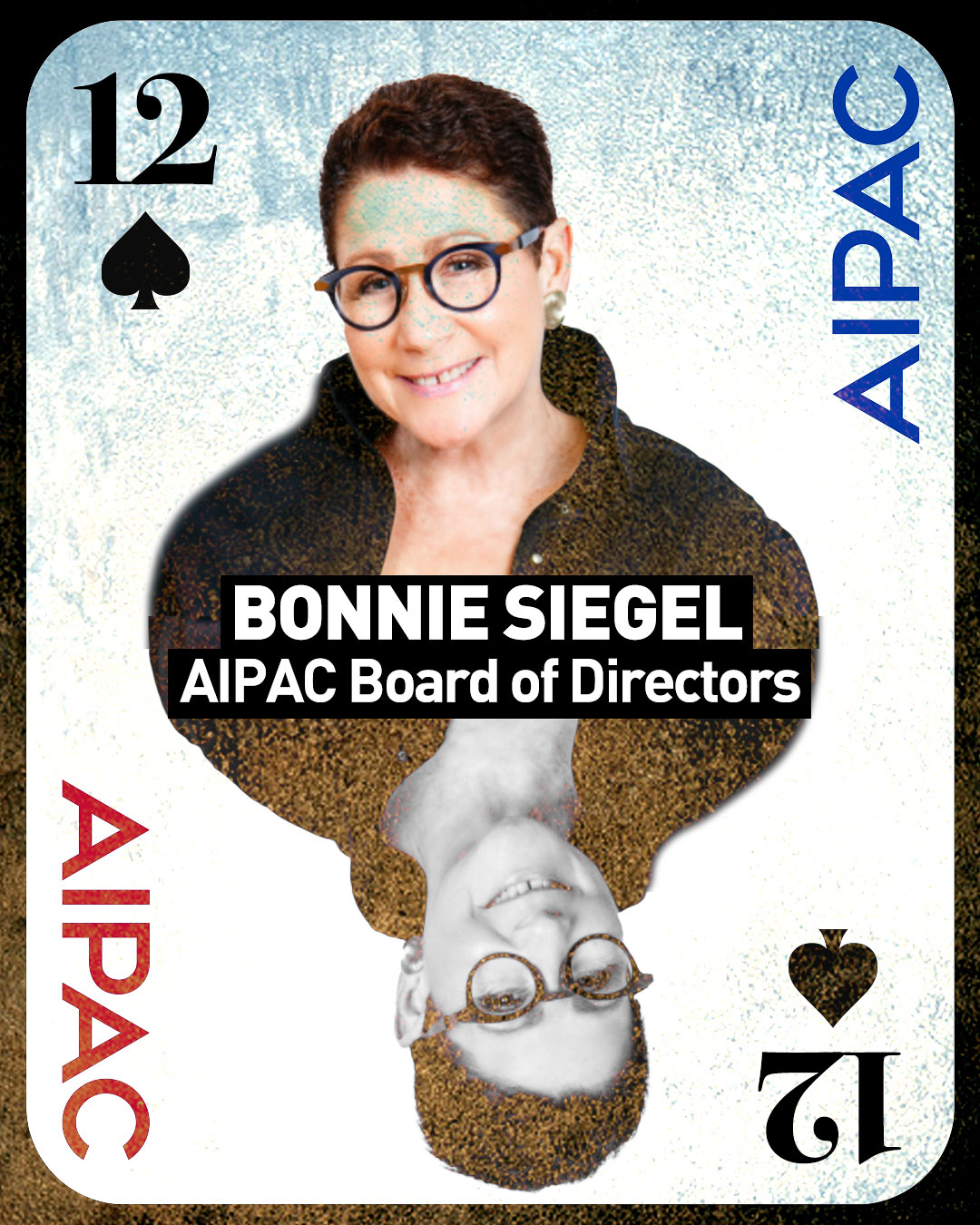
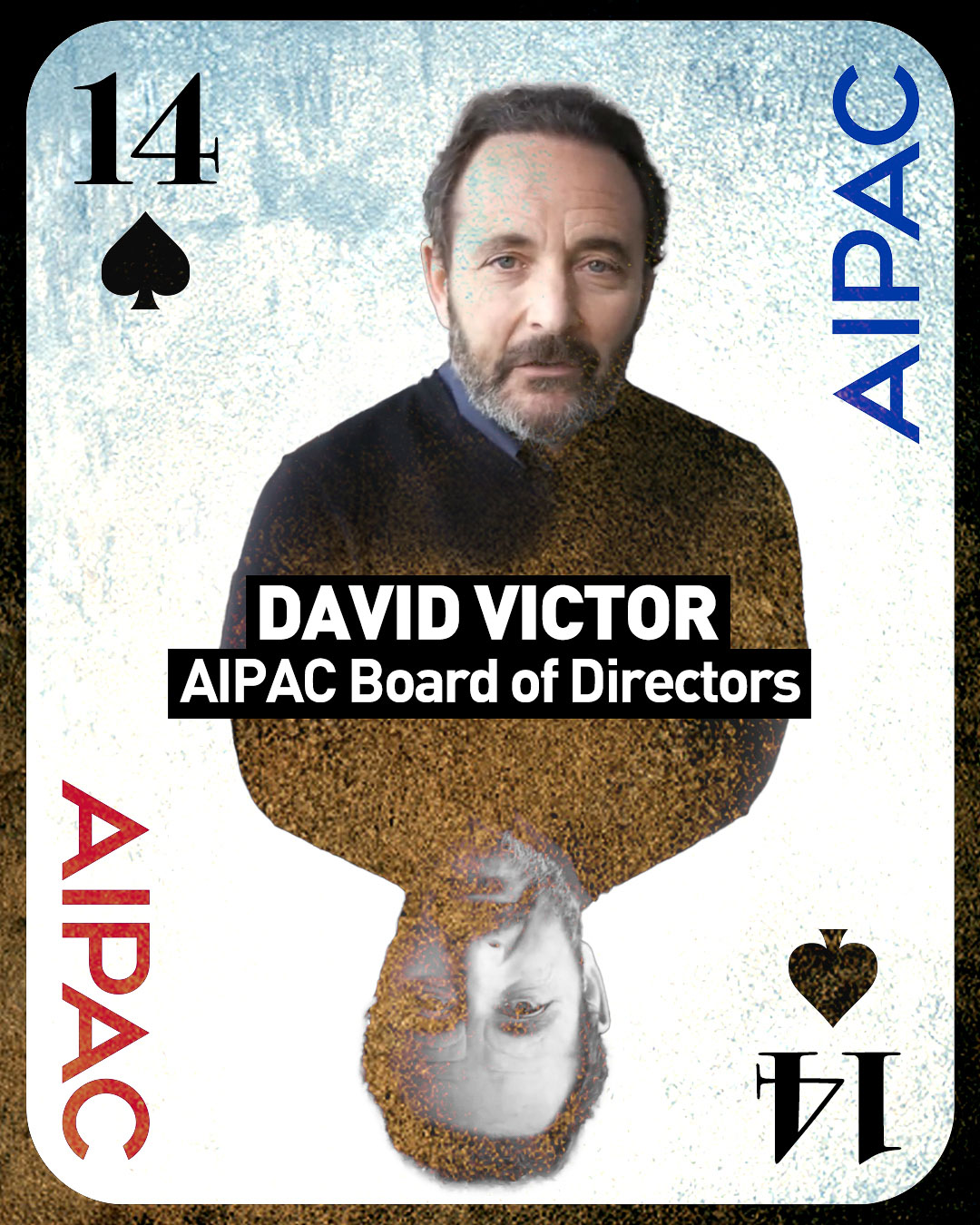
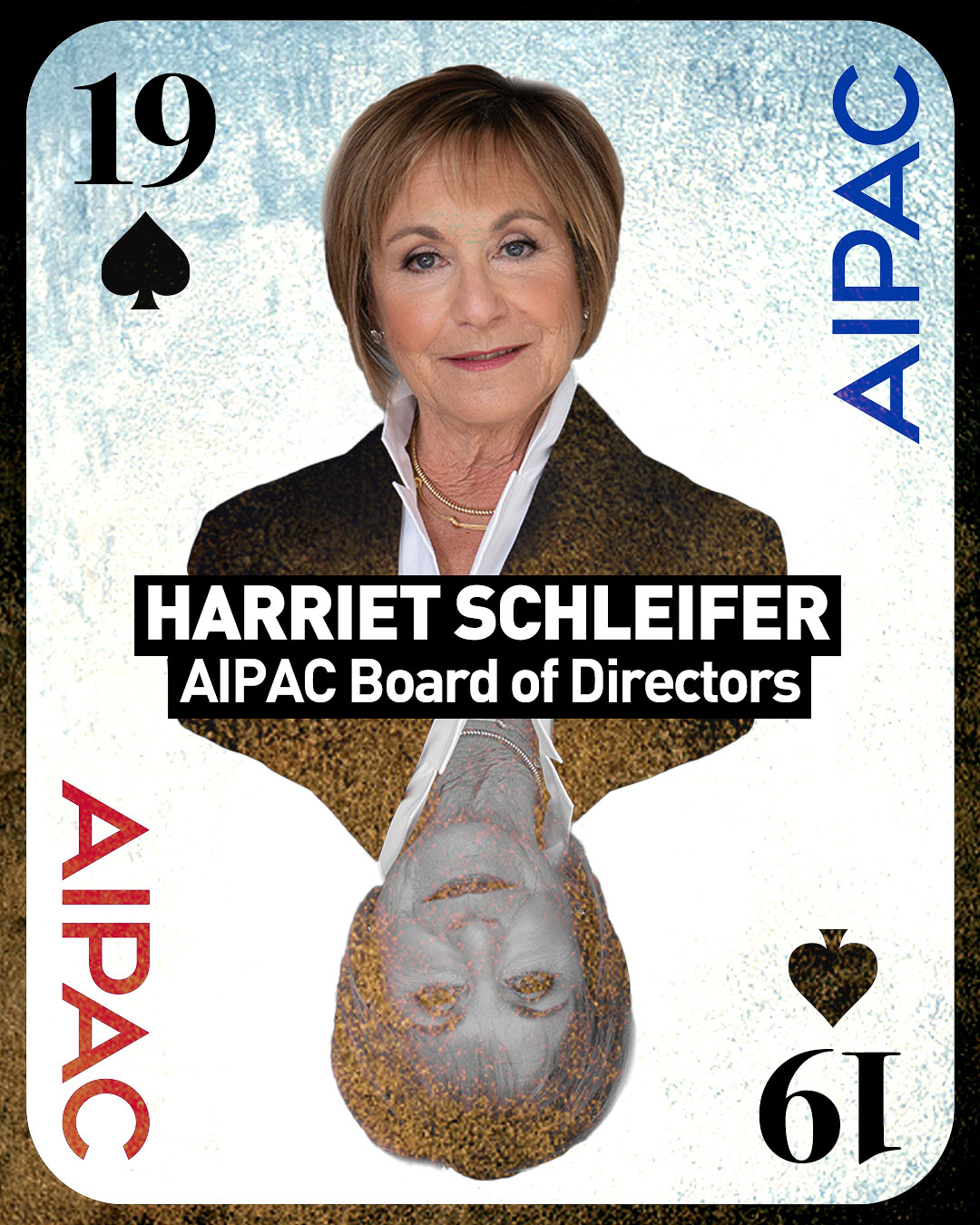
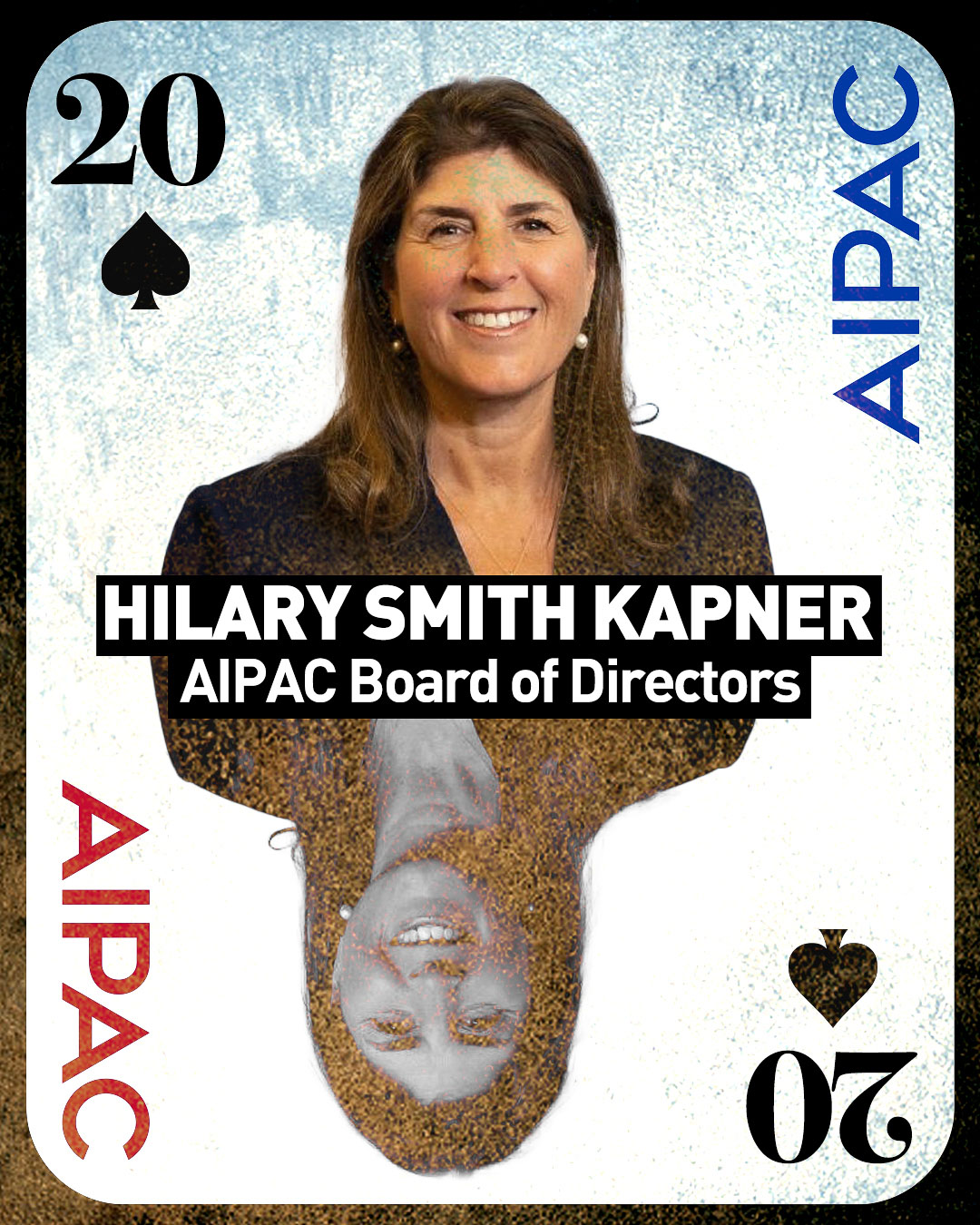
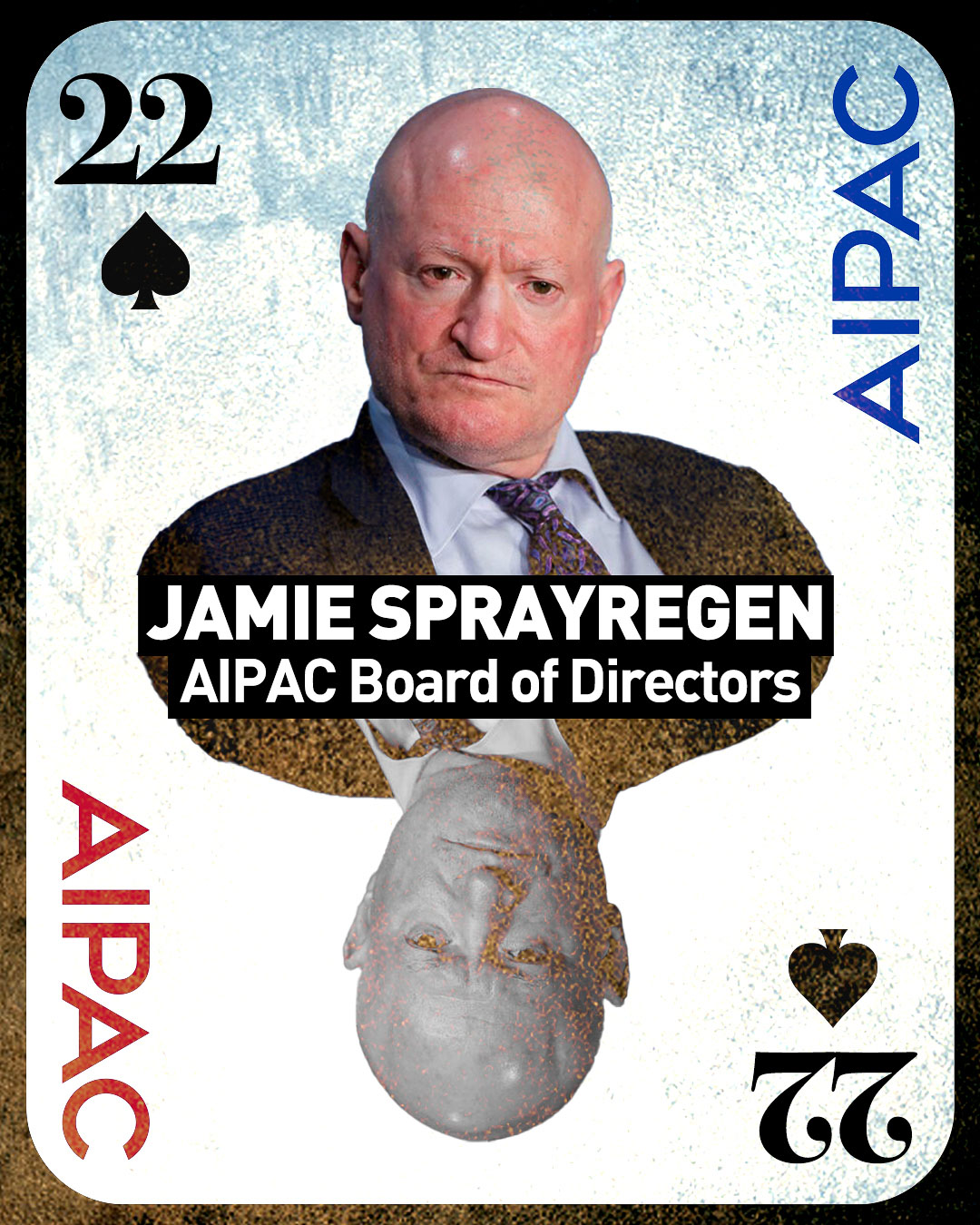
(To learn more about each of AIPAC's board members and executives, click on their image below.)
AIPAC is not an abstraction. It is run by 50 people who make decisions: 41 board members who govern the organization and 9 executives who implement its strategies. Under U.S. nonprofit law, board members and officers have legal duties to ensure their organizations comply with applicable standards, implement oversight systems, and respond to credible evidence of wrongdoing.
AIPAC's board members and executive officers bear personal legal responsibility for the organization's conduct under state, federal and international laws. Under the Washington D.C. Nonprofit Corporation Act, nonprofit officers and directors owe fiduciary duties of care, loyalty, and obedience to the organizations they govern. The duty of care requires them to exercise the diligence that a reasonable person in a similar position would apply, including implementing adequate reporting and oversight systems. The duty of loyalty demands that directors act in good faith and in the organization's best interests, not for personal benefit or the benefit of third parties.
In addition, D.C. Code § 29-406.42 explicitly requires officers with discretionary authority to act in good faith, with ordinary prudent-person care, and in the organization's best interests. Officers also bear an affirmative duty to report material information and any actual or probable violations of law to the board. Critically, while the DC statute provides automatic liability protection for directors of charitable corporations, it extends no such protection to officers—meaning executive officers face potential personal liability for negligence that would be shielded if committed by a director.
The 50 officers and directors above are not the full picture. Mapping the professional connections of more than 3,000 current and former AIPAC staff members on LinkedIn shows that AIPAC staff have strong connections to the Israeli and U.S. governments and the broader pro-Israel ecosystem in the U.S. The data demonstrates a revolving door relationship between AIPAC and U.S. and Israeli governmental institutions, with dozens of current and former AIPAC staff having worked for Israeli or U.S. government bodies. AIPAC operates one of the largest lobbying and electoral operations in Washington and holds federal tax-exempt status, but publishes no staff directory, no organizational chart, and no leadership page on its website. Comparable tax-exempt organizations of its size routinely publish all three.
AIPAC represents one of the least transparent modes of influence on U.S. foreign policy. Its scope is difficult to understand without transparency around staff members' identities, employment histories, and professional connections.
To map out the network of connections and influence AIPAC has built, DAWN partnered with open-source intelligence analyst Matthew Penn of Eagle Mission. Penn has spent the past six years building a publicly sourced map of the pro-Israel institutional ecosystem using voluntary, publicly available disclosures on LinkedIn. The Eagle Mission dataset now includes nearly 400,000 individuals tied to more than 2,000 organizations, representing over 1.2 million professional connections. Using this dataset, we identified 3,020 current and former AIPAC staff members and the public and private institutions to which they have ties.
Every data point used in the analysis comes from information AIPAC staff made public on their own professional LinkedIn profiles. A "connection" in the dataset is defined as an individual AIPAC staff member who added a person from another organization as a contact or friend on their own LinkedIn profile. The analysis counts those connections and groups them by institution.
The 3,020 individuals identified in this analysis represent only a partial sample of AIPAC's current and former workforce. Many AIPAC staff do not maintain LinkedIn profiles, and many who do only partially list their affiliations. AIPAC has not publicly disclosed the identities of its staff or structure of its workforce.
DAWN is publishing this map because AIPAC operates one of the most powerful lobbying and electoral operations behind the scenes in Washington. The American people, who effectively subsidize the pro-Israel lobby by virtue of AIPAC's tax-exempt status, deserve to know how AIPAC works and who works for it.
The dataset also reveals a revolving door between AIPAC and government employment. DAWN's network analysis shows that 66 former AIPAC staffers currently work in the U.S. government, from Congress to the White House to various branches of the military. Nearly two dozen current AIPAC staffers previously worked in U.S. government bodies. Of the 66 former AIPAC employees who currently list employment with the federal government, 40 now work in Congress. Of the 23 current AIPAC staffers who list U.S. government experience, 17 previously worked in Congress.
For example, David Gillette, who is currently AIPAC's Executive Vice President for Policy & Government Affairs, previously served as a Deputy Assistant Secretary at the U.S. State Department. Ira Forman, formerly an AIPAC staff member, previously served as the U.S. State Department's Special Envoy to Monitor and Combat Anti-Semitism.
The data also reveals a similar revolving door on the Israeli government side. Seven former AIPAC staffers currently work for Israeli government institutions and six current AIPAC staffers previously worked for the Israeli government, according to the analysis.
AIPAC says it is "an American organization," "funded by" and "directed by Americans" that takes no direction from any foreign government. The data, though, shows that AIPAC staff maintain direct professional connections to Israeli government and quasi-governmental institutions. These include connections to Israel's Ministry of Foreign Affairs and its diplomatic missions to the U.S., the Office of the Prime Minister, and the Israeli army, including Israeli military intelligence
AIPAC staff also report hundreds of connections to the U.S.-based pro-Israel ecosystem. These include ties to Hillel International, the Anti-Defamation League (ADL), the American Jewish Committee (AJC), StandWithUs, the Jewish National Fund-USA (JNF-USA), B'nai B'rith Youth Organization (BBYO), the Israeli-American Council (IAC), and Christians United for Israel (CUFI).
The dataset also demonstrates AIPAC's connections to the broader U.S. institutions that shape American public life. They connect to major Washington think tanks, including the Foundation for Defense of Democracies (FDD), the American Enterprise Institute (AEI), the Heritage Foundation, the Jewish Institute for National Security of America (JINSA), and the Hudson Institute. They connect to influential media outlets, including Fox News, Sinclair Broadcast Group, Newsmax, PragerU, and the Washington Free Beacon. They connect to U.S. government offices, including the U.S. House of Representatives, the State Department, the White House, the U.S. Department of Defense, and the Department of Justice. The data set also shows connections to American political party infrastructure, especially with the Republican Party, such as the Republican National Committee (RNC), the Republican Jewish Coalition (RJC), the National Republican Congressional Committee (NRCC), the Republican Governors Association (RGA), and state Republican parties across the country.
The vast scope of AIPAC's institutional footprint underscores the need for more transparency about how it operates. AIPAC should publish, at minimum, a current leadership page on its official website that identifies its officers, board of directors, senior staff, and department heads with photos and biographies, along with an organizational chart showing how the institution is structured. This is the floor that comparable tax-exempt nonprofits already meet.
For more information, please see DAWN's May 12, 2026 statement, "U.S.: New Data Highlights AIPAC Ties to the U.S., Israeli Governments."
AIPAC's directors and officers function as a network of networks, simultaneously occupying leadership positions across virtually every major pro-Israel institution in America. For example, Betsy Berns Korn serves as AIPAC's Board Chair while also chairing the Conference of Presidents of Major American Jewish Organizations since June 2025, the umbrella body coordinating over 50 Pro-Israel organizations.
Her predecessor in that role, Harriet Schleifer, also sits on AIPAC's board alongside positions on the pro-Israel Washington Institute for Near East Policy's and past leadership of the American Jewish Committee, another major pro-Israel lobbying and foreign-policy organization. Michael Kassen's wife, Shelly Kassen, is Chairman Emeritus of the Washington Institute's Board of Trustees, having served as its president from 2016–2020, while he serves on AIPAC's board and as a trustee of the Hudson Institute, a right-wing, neoconservative think tank with links to former Republican administrations, defense contractors, and hawkish foreign policy circles. Jamie Sprayregen, member of AIPAC's board, sits on the Boards of Governors of both the Middle East Forum, a right-wing think tank that spreads misinformation, creates "watchlists" targeting academics, and advocates for an anti-Muslim foreign policy and the American Jewish Committee.
Alan Levow, an AIPAC Vice President, is also Vice President of the American Israel Education Foundation (IEF), which funds congressional trips to Israel. Howard Friedman, who served as President and Chairman of the Board of AIPAC (2006–2010) and is listed as a Vice-President, previously led the IEF as President (2010–2012). Robert Cohen, a former AIPAC President, formerly served as Acting President of Friends of the Israel Defense Forces, and Alan Franco, another AIPAC Vice President, served on the International Board of Trustees of Israel's Institute for National Security Studies (INSS) in Tel Aviv in 2016 and 2018.

© DAWN. Website Design by KRS Creative.