






















Bakr Hazem Al-Zubaidy is an Assistant Lecturer at the College of Political Science, University of Baghdad. His research interests include modern and contemporary political history, regional and international organizations and their role in crisis and conflict management, as well as sovereignty and international governance. His profile is available on ResearchGate. Facebook |X
International law is no longer suffering from violations alone. It is confronting a deeper crisis of credibility: a widening belief that rules that still exist on paper no longer bind the most powerful states in practice. The problem, in other words, is not simply that grave acts occur. It is that the institutions meant to deter them often fail to impose meaningful costs when those acts are committed by militarily dominant states or by allies shielded by geopolitical power.
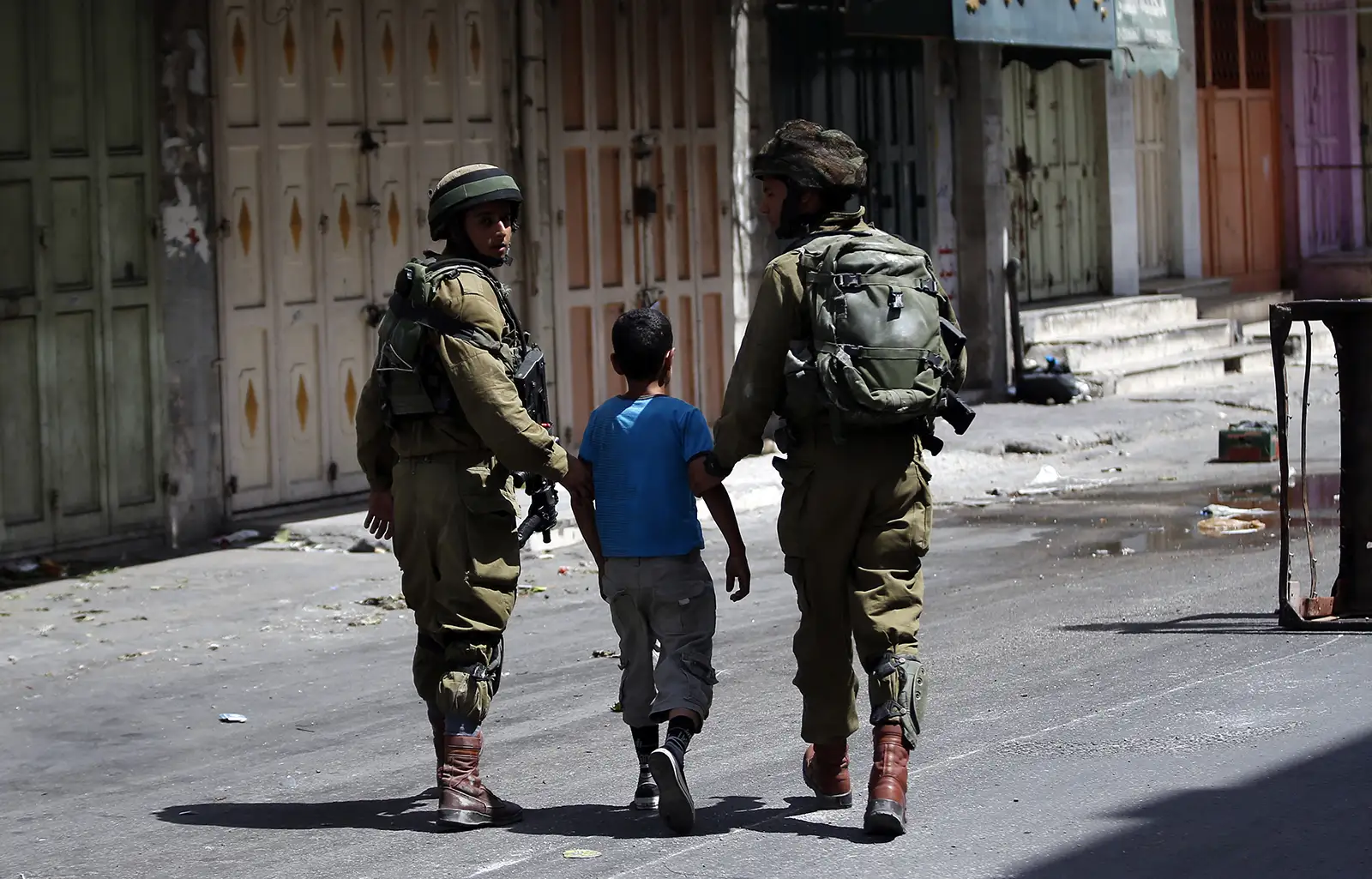
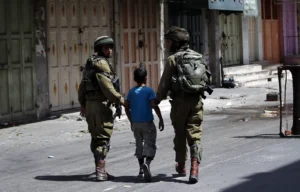
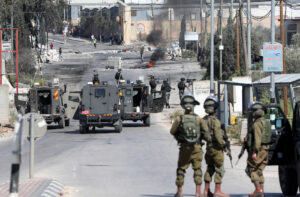
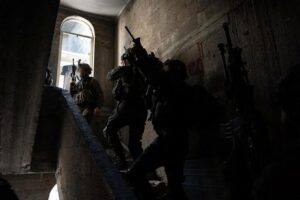
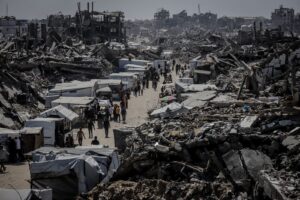
Gaza has become the clearest expression of that crisis. Since October 2023, the war has exposed not only the scale of Israel's intentional devastation on civilians, hospitals, neighborhoods and basic infrastructure, but also the limits of the international system's ability to transform the law into restraint and accountability against the perpetrator. To be sure, courts, investigations and official findings matter. Yet they do not restore legal authority when they are disconnected from effective enforcement. The result is a dangerous political lesson for the wider world: Accountability is allowed to be discussed at length while impunity continues in real time.
International law increasingly appears less like a common rule and more like an uneven language of permission and condemnation, applied differently depending on who acts and who is protected.
- Bakr Hazem Al-Zubaidy
For many observers across the Middle East and North Africa, this paradox sits at the heart of the broader hypocrisies underpinning an international legal system that seems to have forgotten them. International law is not judged only by its texts, doctrines or institutions; it is judged by whether it acts as a real constraint on power. When the most visible cases of large-scale suffering are met with selective pressure, diplomatic hedging and inconsistent standards, confidence in the universality of the legal order begins to collapse. In this context, international law increasingly appears less like a common rule and more like an uneven language of permission and condemnation, applied differently depending on who acts and who is protected.
The United States' role has only further sharpened this crisis. In principle, Washington presents itself as a defender of international order. In practice, however, its Middle East policy has too often weakened the very norms Washington claims to uphold in word only. This contradiction is not, however, merely rhetorical. It has real, negative impacts on post-World War II system. So long as military aid, diplomatic cover and strategic exceptionalism continue to insulate close partners from meaningful consequences, claims about a rules-based order will increasingly ring hollow to those living under war, occupation and authoritarian repression.
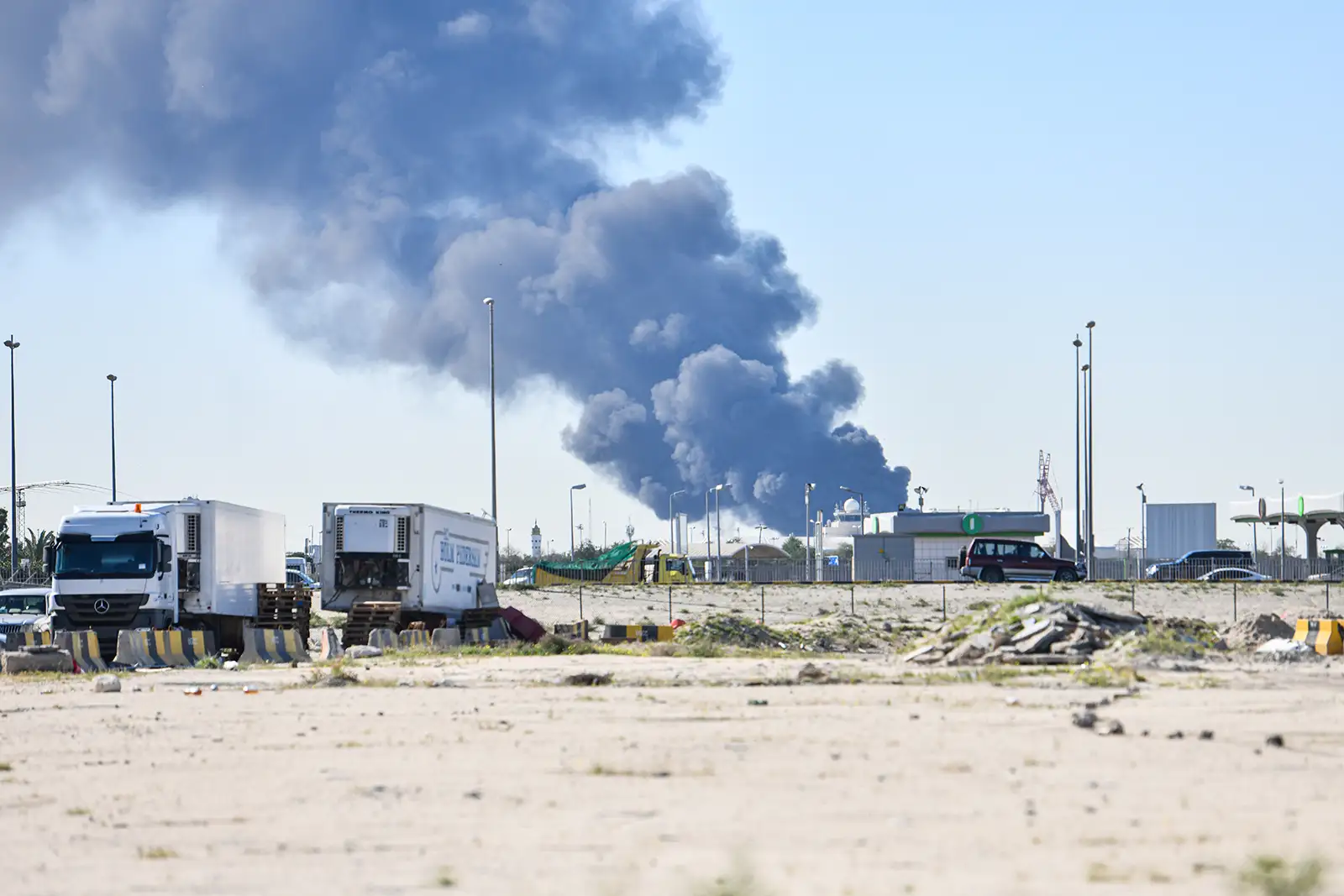
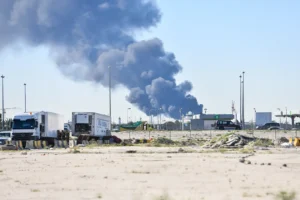
The U.S.-Israel war on Iran has only deepened that perception. The conflict goes beyond another regional escalation, reinforcing a broader pattern in which force, preemption and strategic necessity are invoked to justify acts whose cumulative effects erode legal restraints. The resulting damage is not confined to one battlefield. Once attacks on vital infrastructure, broad coercive measures and region-wide destabilization are treated as politically routine, the threshold of acceptable interstate conduct shifts. What was once extraordinary becomes routine.
That evolution is why historical analogy matters, provided it is utilized carefully. The present is not a literal return to the 1930s, and easy comparisons should be avoided. Yet there is a structural warning worth recalling. Before the Second World War, Nazi Germany repeatedly tested and violated the limits of the existing international order while the League of Nations proved incapable of imposing effective restraint. The danger did not lie in one isolated breach, but in the cumulative normalization of aggression and in the growing perception that international institutions could be defied without decisive consequence.
That combination encouraged further interstate escalation and undermined confidence in collective security. Herein sits a concerning pattern connected to current events: expanding exceptionalism, weak enforcement and a widening belief that law will not protect the vulnerable when powers choose to move and expand.
United States policy, in particular, must be judged not by its rhetoric of order but by whether its actions genuinely reinforce accountability, civilian protection and equal legal standards rather than its geopolitical power.
- Bakr Hazem Al-Zubaidy
In the contemporary Middle East, that pattern is especially corrosive because it intersects with long histories of occupation, dictatorship, intervention and unequal sovereignty. When people across the region hear the language of democracy, rights and legality from the West while witnessing war, dispossession and impunity on the ground as a direct result of that same West's policies, they do not merely criticize the inherent hypocrisy. Rather, they begin to doubt the moral and political credibility of the international system itself. That loss of confidence matters. It weakens reformist politics, strengthens cynical forms of power and pushes states and societies alike toward crude self-interest, hard balancing and militarized insecurity.
For that reason, the solution cannot be limited to moral outrage alone. This crisis is institutional and political, requiring institutional and political remedies but, above all else, political will. At minimum, international bodies must be able to raise the cost of non-compliance more visibly and more consistently. Investigative findings should produce tangible pressure. Arms transfers should not be insulated from human rights realities. Public legal determinations should not be treated as symbolic theater. United States policy, in particular, must be judged not by its rhetoric of order but by whether its actions genuinely reinforce accountability, civilian protection and equal legal standards rather than its geopolitical power.
The wider challenge facing the international legal system is to recover the idea that international legitimacy depends on consistency. A legal order survives not because it is infallible, but because no state can indefinitely violate it with impunity while claiming to act in its name. If that principle disappears, the system does not collapse in one dramatic moment. It erodes over time by precedent, by exception and by accommodation, until force once again becomes the most credible interpreter of the rule and the law of the jungle again determines the life or death of entire nations.
The Middle East has paid too high a price already. Gaza and Iran are not isolated crises but warning signs. If power continues to override law in the region with only selective diplomatic concern and no meaningful institutional consequence, the damage will extend well beyond the current wars, deepening the crisis of international legitimacy itself while leaving the language of law weaker precisely when it is needed most.
The views and positions expressed in this article are those of the author(s) and do not necessarily reflect the views of DAWN.