











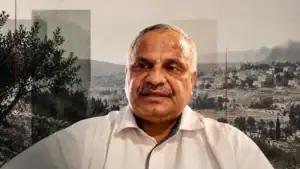










Mohammed Abu Lebda is a Palestinian poet and translator from Gaza.
In the frantic race between technology companies to build ever-smarter devices, humanity has scrambled to obtain the best camera resolution to document hallowed moments. Unable to return to the past, we devised the camera as a weapon against time, freezing moments and summoning nostalgia to trick our eternal enemy. Nowhere is this more apparent and harmful than in the Gaza Strip, where, since Oct. 7, 2023, this weapon has turned against us.
Since Israel's genocide started taking shape, Palestinians in Gaza have fled to the warm embrace of the past, sleeping within it to escape the unforgiving cruelty of the present. Here, photographs encapsulate a jovial past of better times, distracting us from the harsh realities we face today.
But the catastrophes, horrors and crimes caused by Israel's genocide contort this subtle form of healing. With every passing day, the bleeding only deepens. Wars begin and eventually are laid to rest, but here, our blood is an inexhaustible fuel, burning to ignite a war that devours the boundaries of time.
Wars begin and eventually are laid to rest, but here, our blood is an inexhaustible fuel, burning to ignite a war that devours the boundaries of time.
- Mohammed Abu Lebda
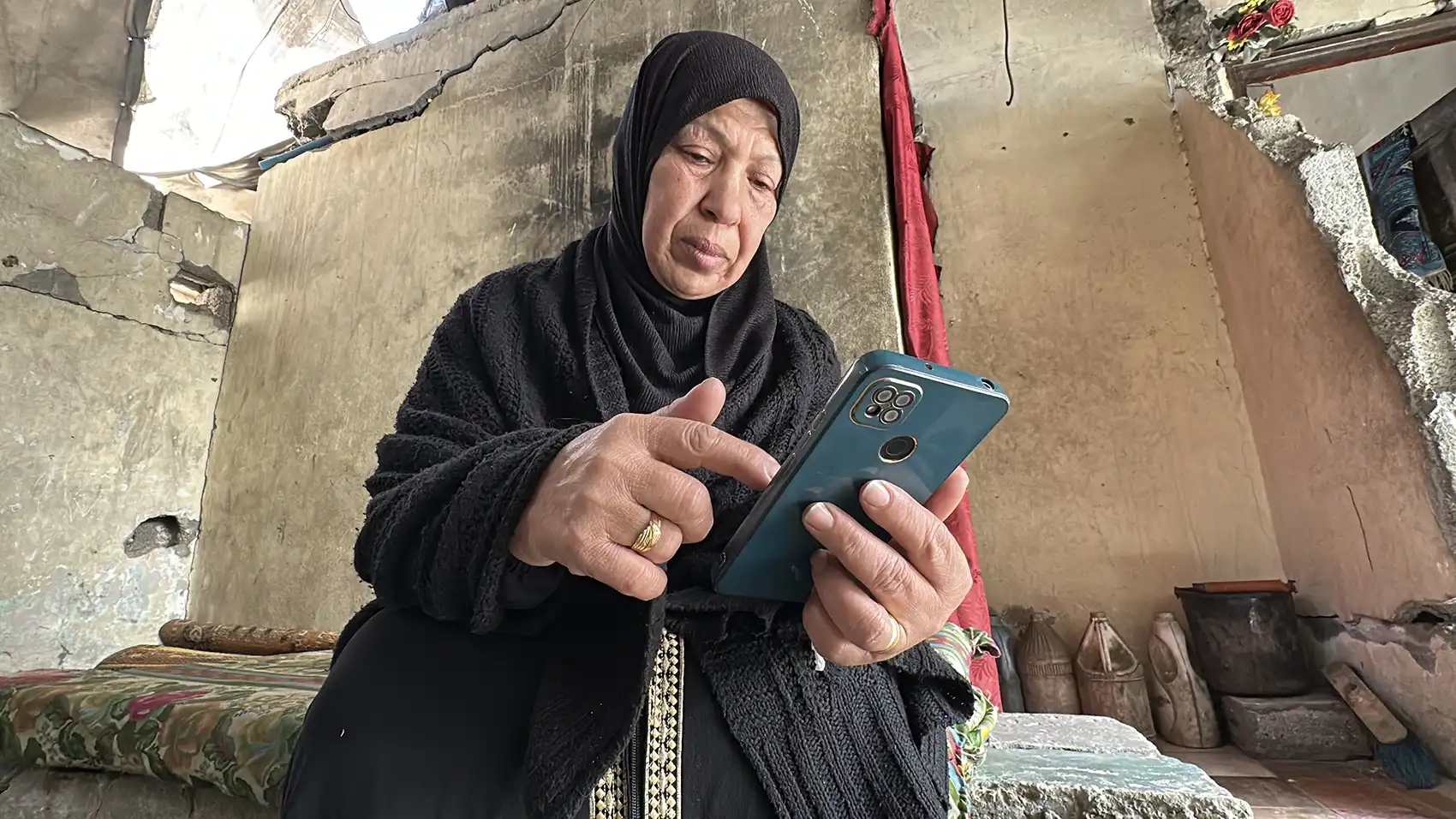
Indeed, Palestinians seeking solace in the past often find no such comfort in their old photographs, even as the present grants us no pause to weep. The digital galleries within our phones have transformed from an archive of memories into a luminous minefield representing a foregone time. I have come to dread opening these memories.
This pain constitutes our daily reality in Gaza.
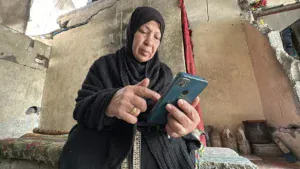
I hover my finger over the photo application with trepidation, deliberately closing my eyes as I flick rapidly across the screen. I feel its smoothness as if tiptoeing over shattered glass, begging my finger not to mistakenly freeze on an image that journeys me back to better days.
I fear my eyes might stumble upon a friend smiling, right before he collapses into a martyr's corpse.
I fear that an old photograph of my face will bleed, reminding me of the man I was before shrapnel struck, tearing away my features and leaving me with a stranger's attributes.
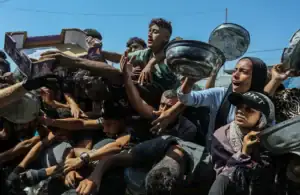
I fear that the scent of warm bread will leak from a fleeting snapshot of a table surrounded by old friends and family lost, filling the room with the fragrance of well-being — right before my body breaks, losing a third of its weight to famine.
Palestinians seeking solace in the past often find no such comfort in their old photographs, even as the present grants us no pause to weep.
- Mohammed Abu Lebda
This sentiment is unrelenting; never dissipating. Palestinians in Gaza see it everywhere, in everything, all the time. It will continue to haunt us for an eternity.
I fear our neighborhood alley will ambush me in a forgotten picture, with its safe walls and welcoming windows that we would look out from, before Israel crushes the house into a mound of dust and rubble around me.
I fear a street I once crossed with friends will now pass me, its remnants reduced to a deep trench of absence dug into the earth.
In this sense, a photograph no longer represents a trick to kill regret or restore lost time. Today, the innocent camera has become a witness to Israel's infliction of pain upon Palestinians in Gaza, a cruel comparison between who we were and what our bodies, souls, communities and homes have become.
Here, the grand deception unveils itself.
In creating the camera, the inventor was not crafting a tool to document life so much as unwittingly sculpting a rifle of a terrifying variety. In peering through the lens, he created a muzzle. Instead of preserving light, he fired lingering, undying bullets that lodged into the glass of Palestinian screens like timed explosives.
In Gaza, these bullets do not kill the moment they leave the barrel of the camera. Instead, they wait until Palestinians open their photo album to pierce anew, every single time, with every scroll.
Yet we always return to a piece of history long lost. Why?
We wish to scream at our old faces: "Do not smile, and do not stand in front of the muzzle!"
If only we could restore an older time, we might have stopped taking pictures. We would have emptied this rifle of its luminous ammunition to avoid discovering that the finger which joyfully pressed the shutter was pulling the trigger on the lives that lay ahead.
The views and positions expressed in this article are those of the author(s) and do not necessarily reflect the views of DAWN.