



















Hend Shaheen is a researcher, visual storyteller and international development practitioner. She is pursuing a master’s degree in interdisciplinary Middle East studies at the Free University of Berlin. With over a decade of experience across North Africa, the Levant, including Jordan and Egypt, and Germany, her work spans media, politics and economic policy, with an emphasis on narrative production, cultural analysis and human rights storytelling. She has held leadership roles in civil society initiatives, contributed to independent media and training programs in the Arab world, and is a member of the World Liberty Congress.
"It's the war, madame!"
This was the blunt answer I recently received while shopping at a major home appliances store in Cairo. My intention was simple: to buy an electric fan and stave off the early heat. Instead, I found one of Egypt's largest retail outlets strangely empty, its aisles devoid of the usual gleaming rows of inventory.
"What war?" I asked, feeling a sudden, jolting sense of being underinformed, as if Egypt had sleepwalked into a conflict I hadn't noticed. "It's the Strait of Hormuz," the clerk elaborated, weary. "Goods are stuck there."
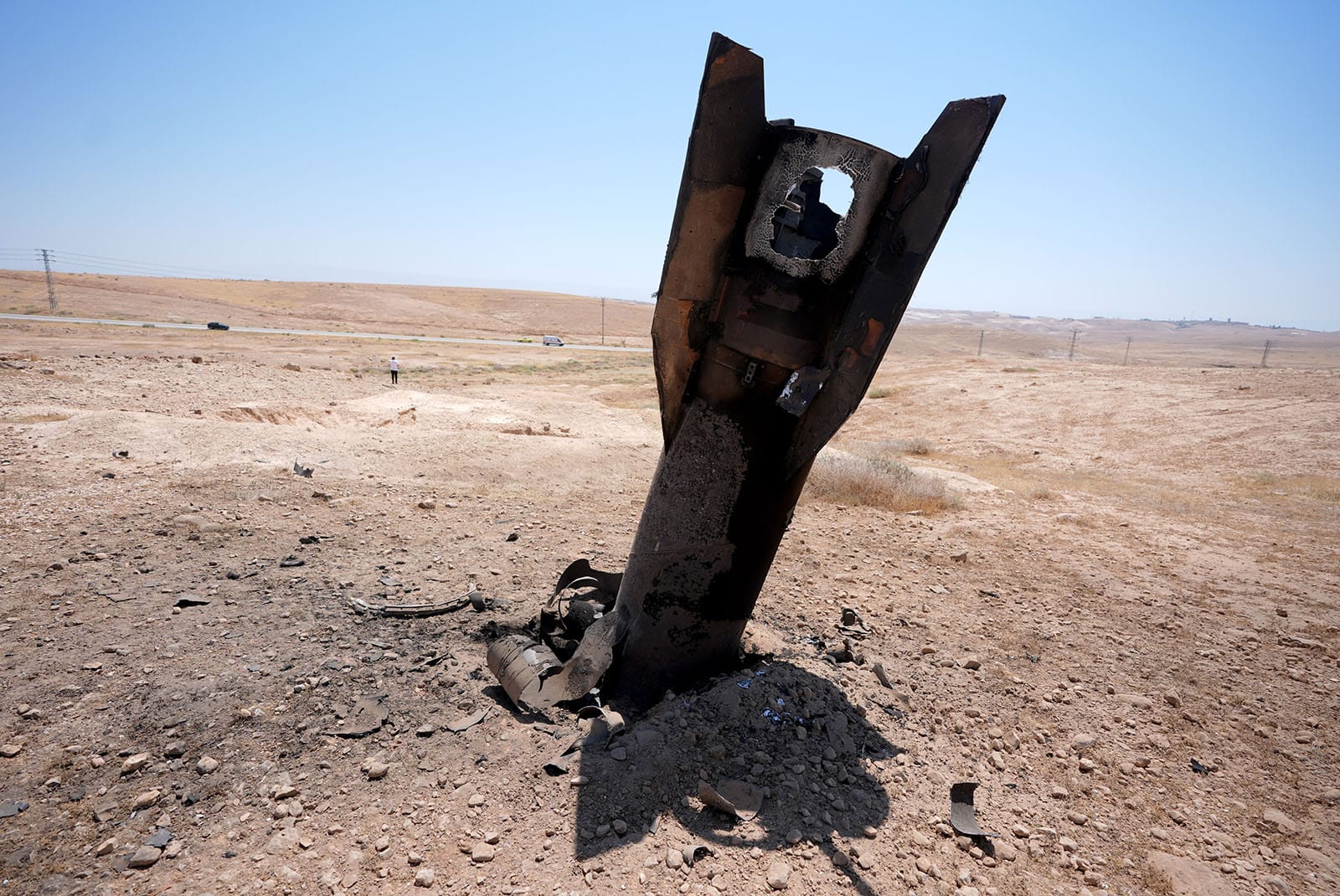
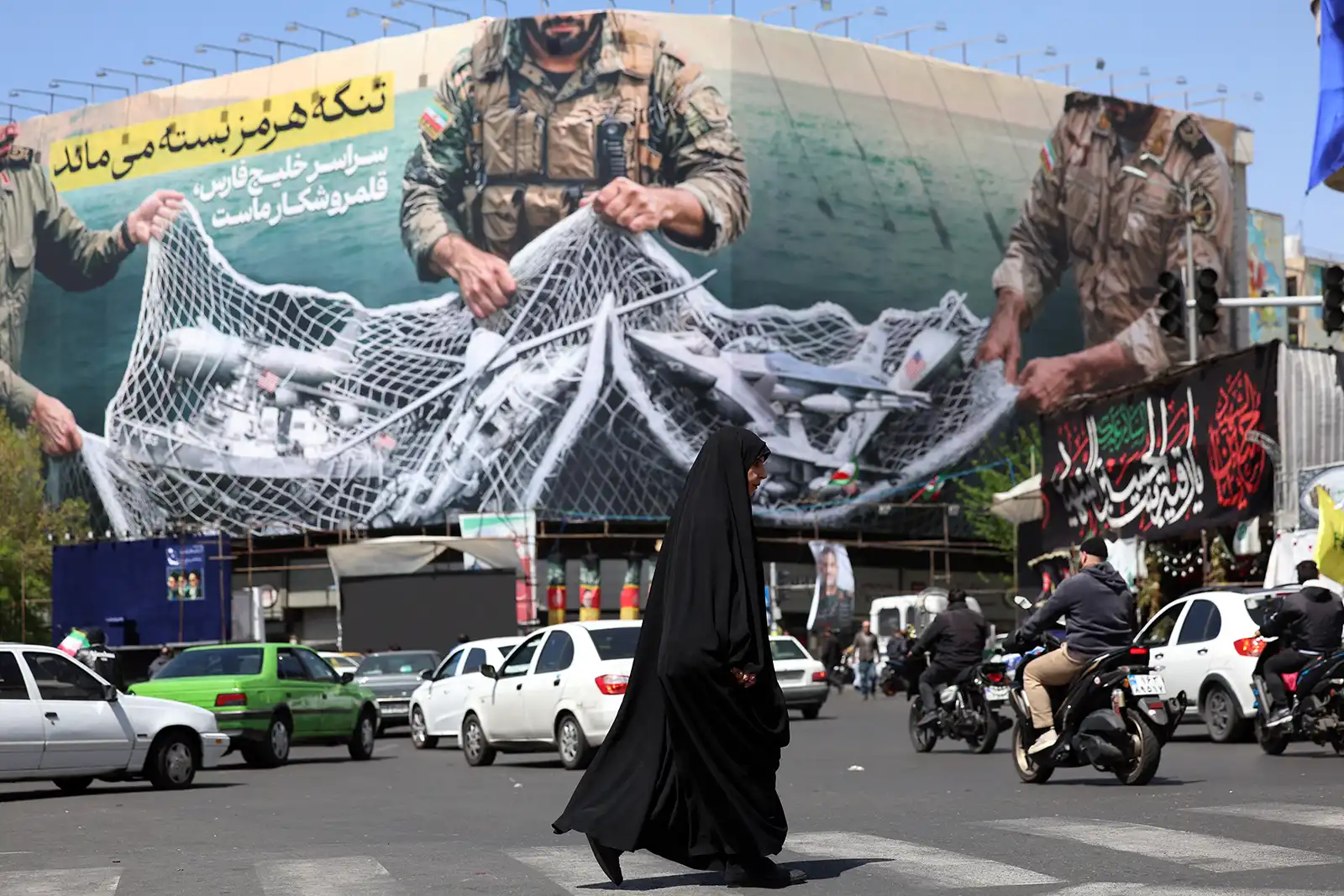
Compared with most locals, my fan story sounds like a first-world problem. But for Egypt's 108 million residents, the U.S.-Israel war on Iran feels like a distant storm whose thunder echoes through local Egyptian markets and household budgets. While Cairo is not a battlefield of the war and has not been targeted by the missile and drone fire witnessed in the Gulf, no war is truly distant in a tightly interconnected region.
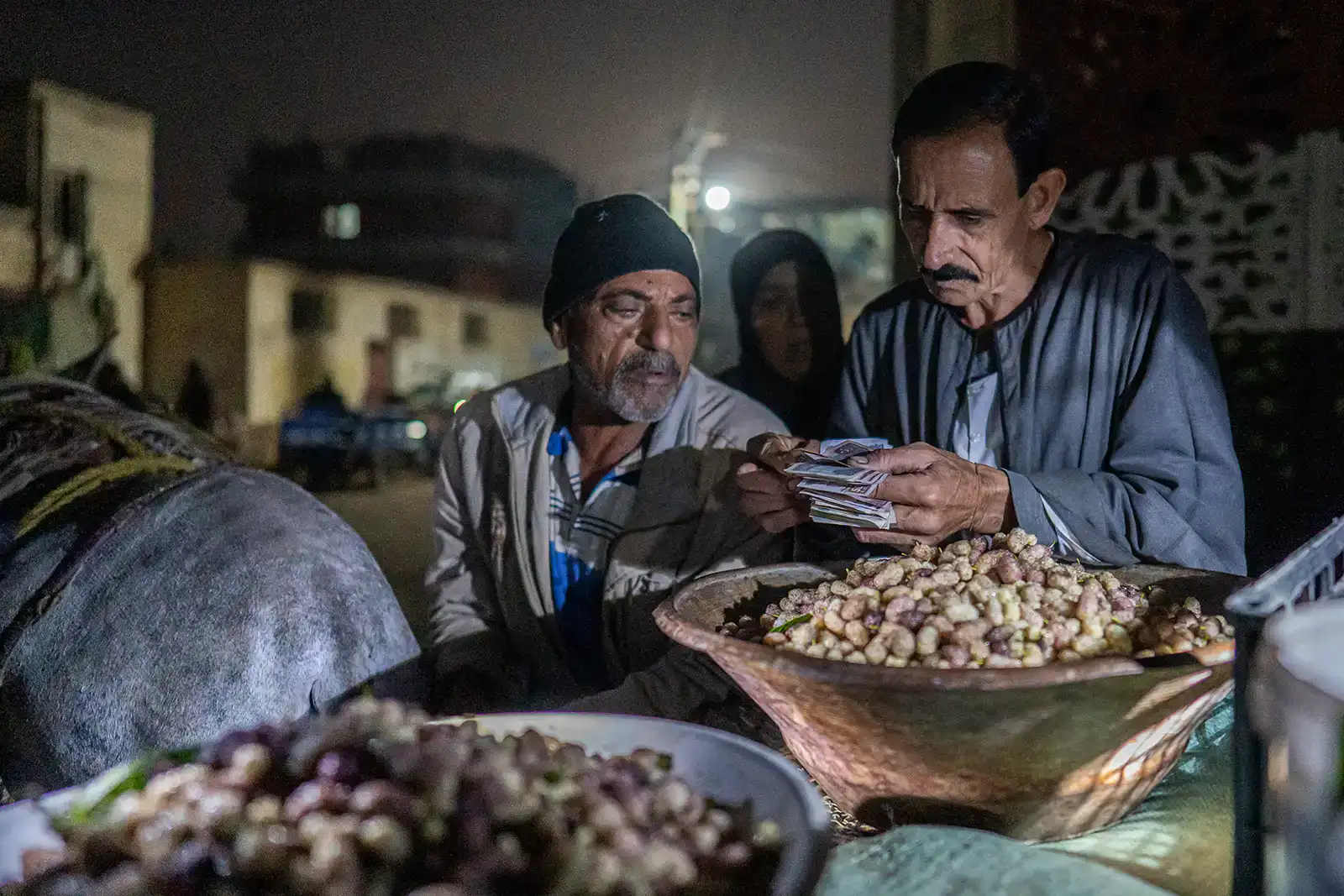
For most Egyptians, the war is felt at the gas pump and the dinner table.
- Hend Shaheen
The shock has negatively impacted Suez Canal revenue, which handles approximately 12% of global maritime trade and constitutes a vital artery for the Egyptian state. As hostilities escalated, the Red Sea became a high-risk zone, pushing shipping companies to reroute vessels around South Africa's Cape of Good Hope in fear of attacks from the Yemen-based and Iran-aligned Houthi Movement. This detour adds up to 14 days and $1 million in fuel costs per trip.
As a result, Egypt faces mounting losses in Suez Canal revenues that were already nearly 60% lower than before the first round of Houthi strikes on Red Sea shipping in November 2023. Those strikes may now restart, with disastrous results. Egyptian President Abdel Fattah el-Sisi stated that disruptions to Red Sea shipping have cost the country roughly $10 billion in lost canal revenues since the crisis began.
These impacts shrink the state's ability to cushion citizens from the economic shock now affecting their daily lives. For most Egyptians, the war is felt at the gas pump and the dinner table. In March, fuel prices rose by rates ranging from 14% to 30%, the third increase in a year, following a surge in Brent crude oil pricing to nearly $120 per barrel. Egypt, which imports over 30% of its petroleum needs, faces a stark choice: absorb the cost or pass it on to a struggling population.
This fuel hike has triggered a devastating domino effect. Public transportation costs have risen as high as 15%. Fresh produce prices are up by roughly 15-30%. By April, urban inflation reached 15.2%. Food and beverage prices, the largest component of the inflation basket, rose 5.8% year-on-year in March. Meat and poultry have become luxury items for many, rising by 25% since the fuel hike.
Inflation is measured in percentages but experienced in compromises, dictating what families can no longer afford to buy. For people like Sayyed Ragheb, a Cairo cafe worker earning less than $100 a month, the situation is "catastrophic." His family could not afford new clothes for Eid, struggling with daily expenses. This trend is widespread, with the U.N. Development Programme projecting that shocks could push nearly 4 million people into poverty across the Middle East, with Egypt among the most vulnerable states.
Inflation is measured in percentages but experienced in compromises, dictating what families can no longer afford to buy.
- Hend Shaheen
The war has also reached into the electrical sockets of Egyptian homes. In response to the strikes on Iran, major Israeli gas fields that supply a portion of Egypt's gas needs suspended operations, forcing Cairo to activate an emergency plan. Gas was diverted from industry, with power plants turning to diesel to avoid grid collapse. What began as a disruption in regional energy flows is now causing darkness in Egyptian households.
Following the suspension of Israeli gas exports to Egypt amid the regional escalation, Cairo introduced emergency electricity rationing measures and expanded fuel use at power stations. Daily power cuts returned across several governorates, with particularly severe effects reported in poorer areas of Upper Egypt, where infrastructure vulnerabilities and poverty intersect. Egyptian and regional media documented hospitals struggling during outages, including reports of medical staff relying on mobile phone flashlights during emergency procedures and childbirths.
Despite these severe pressures, the Egyptian economy has demonstrated a degree of adaptive resilience, with remittances and tourism partially cushioning the broader economic shock. Official data from the Central Bank of Egypt indicated that remittances from Egyptians working abroad — particularly in Gulf states — rose sharply during early 2026, helping offset part of the decline in Suez Canal revenues. While regional tensions initially triggered cancellations from European and North American travelers, Egypt's hospitality sector adapted by increasingly catering to affluent Gulf visitors seeking a nearby and relatively stable regional destination.
For a tour guide at the Giza Plateau or a waiter in a Nile-side restaurant, this shift in clientele is a critical lifeline. The presence of regional travelers seeking a nearby haven from the escalating tensions in the Gulf helps keep service jobs intact at a particularly difficult time for the working class. Even the Grand Egyptian Museum continues to attract visitors, underscoring Egypt's cultural allure that transcends regional volatility.
Still, as the conflict lingers, Egyptians remain caught between rising costs and deepening uncertainty, navigating a crisis that continues to shape their daily lives. The Iran War may not be their war, but for those struggling to afford a basic meal — or even an electric fan — it has become an inescapable daily reality. Ultimately, Egypt stands as a stark example of a broader global truth: In a hyper-connected region, the battlefield rarely limits devastation, with the true cost of conflict paid by those who never fire a shot.
The views and positions expressed in this article are those of the author(s) and do not necessarily reflect the views of DAWN.