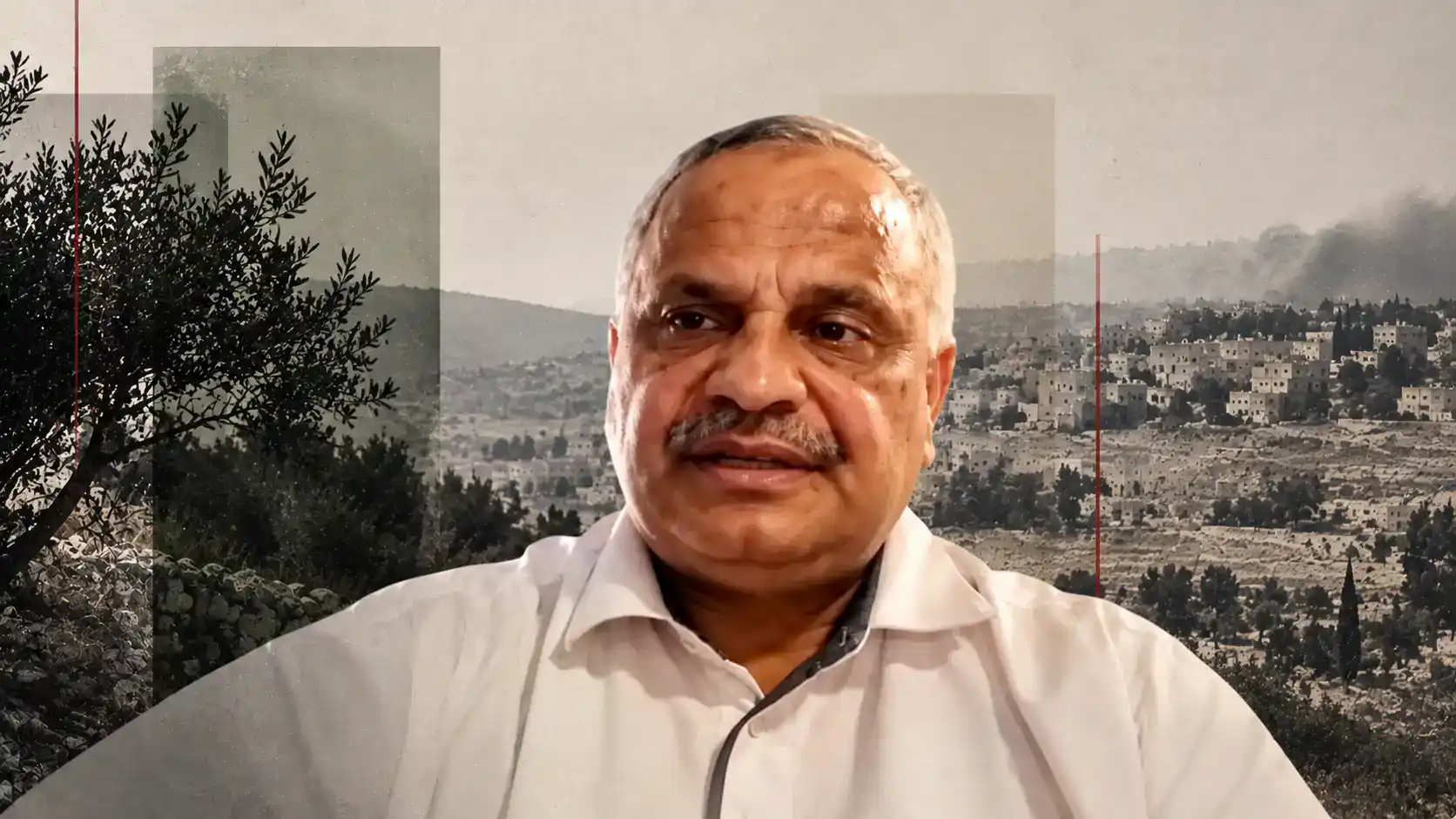























Charles O. (Cob) Blaha is a Senior Advisor for DAWN. He retired from the State Department in 2023 after a 32-year career. Before retiring, he was Director of the Office of Security and Human Rights in the State Department's Bureau of Democracy, Human Rights, and Labor from 2016 until 2023.
Six months after the U.S. bombing of the school in Minab, Iran that killed over 150 civilians, the U.S. Department of Defense (DoD) is still refusing to release its investigation's findings into the strike; it has not even admitted that it was a U.S. strike.
That refusal has taken a toll, undermining U.S. credibility and giving Iran a propaganda tool. In addition to taking responsibility, DoD should change its targeting procedures to better mitigate the risk of civilian casualties and, ideally, end its illegal war of choice against Iran. However, Defense Secretary Pete Hegseth's opposition to what he calls "stupid rules of engagement" suggests that pressure for any changes designed to protect civilians in war must come from outside DoD.
DoD's public justification for its failure to publish any information is that the Minab strike is "under investigation." That DoD cannot even establish that this was a U.S. strike, let alone the reasons for such an error, has never been credible. This argument has become increasingly feeble over time.
Meanwhile, numerous credible reports from reputable human rights organizations like Amnesty International have established that the U.S. military was responsible. Similarly, multiple credible investigative media reports have established that this was indeed a U.S. strike that was likely based on outdated intelligence. Inter alia, they conclude that U.S. commanders failed to heed warnings in U.S. databases that showed intelligence about potential Iranian targets was severely outdated. It is within this context that any U.S. government excuse to avoid responsibility for the Minab strike is patently ridiculous.
That DoD cannot even establish that this was a U.S. strike, let alone the reasons for such an error, has never been credible. This argument has become increasingly feeble over time.
- Charles Blaha
Now, DoD officials have morphed their feeble excuses into unconvincing claims by unnamed DoD sources that the investigation is under review by senior leadership. DoD has provided no details about who exactly is performing the review or when it will be complete. More importantly, what is the purpose of this review? Given previous efforts to avoid accountability for the strike, not limited to U.S. President Donald Trump falsely claiming that Iran was responsible for the massacre, this so-called review appears to be a delay tactic. It also poses the risk that DoD will bowdlerize what should be a neutral and factual investigation by subject matter experts.
Clearly, DoD's investigation is complete and will point the finger at a detailed version of failure. There is no meaningful ongoing review. Senior DoD leadership is intentionally sitting on the investigation's report. In this context, three reasons explain why the results have not been made public.
First, President Trump continues to say that he is not convinced this was a U.S. strike. The risks of contradicting the president's versions of events are well known. Second, Secretary Hegseth loathes what he calls "stupid rules of engagement" and considers criticism of the U.S. military "unpatriotic." Finally, both the president and the secretary are surrounded by advisors who will not stand up to them.
Meanwhile, the Iranian government has exploited the Minab bombing for propaganda purposes. It held a public mass funeral for the Minab victims just days after the attack aimed at justifying revenge and resistance. The government, normally hostile to foreign media, even invited foreign journalists to visit the bombed-out school and interview grieving families.
Congressional Democrats have criticized the Trump administration's failure to publish any details of its investigation into the strike. Republicans, meanwhile, have been silent. Both parties should insist on a public DoD explanation of what happened and why. Failure to do so undermines the credibility of the U.S. military, further damages America's reputation internationally and bolsters the Iranian government and its repressive apparatus.
Indeed, six months of refusal to take ownership of the Minab strike have taken a toll. However, Congress can still act to insist on DoD transparency.
DoD should admit that this was a U.S. strike, explain why it happened and apologize for it. There should be career consequences for those who failed to exercise adequate precautions. Such precautions are required by DoD regulations, to both prevent future civilian harm and to hold those violating the law accountable. The United States should offer to ex gratia payments to the families of those killed and to the wounded. Washington has done so in Afghanistan and Iraq. It has also done so in Iran, when in 1988 a U.S guided missile cruiser mistakenly shot down an Iranian commercial airliner.
Clearly, DoD's investigation is complete and will point the finger at a detailed version of failure. There is no meaningful ongoing review. Senior DoD leadership is intentionally sitting on the investigation's report.
- Charles Blaha
The most important step, however, is one that has hopefully already been taken: DoD, and especially the U.S. Central Command (CENTCOM) responsible for military operations in the Middle East, should immediately revise targeting procedures to conform with DoD's 2022 Civilian Harm Mitigation and Response Action Plan (CHMR-AP). Unfortunately, this last step will run into stiff opposition from the same DoD senior leadership and their "no stupid rules of engagement" philosophy governing the handling of the Minab investigation.
In May of this year, the DoD Office of the Inspector General (OIG) issued a scathing evaluation of the DoD's Implementation of the CHMR-AP. OIG examined 11 objectives outlined in 2022 for CHMR-AP implementation, assessing all 11 to be "at risk." Moreover, all CMHR-AP progress that the OIG identified had been achieved before February 2025. After that, as the second Trump administration began, DoD proposals to change civilian harm reduction "stalled and reversed progress."
In its recommendations to DoD's most senior civilian levels, OIG recommended the DoD develop and implement a plan to ensure compliance with 10 USC 184, which in 2022 established DoD's Civilian Protection Center of Excellence (CP CoE). The CP CoE was staffed by civilian harm mitigation experts and was designed as DoD's focal point for civilian harm mitigation. When he assumed office, Secretary Hegseth gutted the CP CoE and civilian harm mitigation personnel in combatant commands, including in CENTCOM. In May 2025, he went as far as to propose that Congress repeal 10 USC 184. Yet DoD's senior civilian leaders' reply to the OIG brazenly claimed that DoD was complying with the statute, disagreed with the need for an implementation plan and said that it is "prudent to ensure that the CP CoE and Department policy reflect the current leadership's priorities and direction."
The Minab civilian casualty toll is the highest in a single U.S. strike since 1991. Sadly, Minab is only the latest in a pattern of high civilian casualty incidents across the Middle East. In August 2025, the United States admitted to killing more than 140 Yemeni civilians in two deadly 2025 attacks, killing 80 in one attack and 68 in the other, in what amounted to the largest officially recognized civilian death tolls for a strike by any military in recent history.
The only comparable toll occurred in 2017 during the first Trump administration, again in the Middle East, when a U.S strike targeting Islamic State snipers killed between 105 and 141 Iraqi civilians near Mosul. In total, the U.S.-led coalition in Iraq and Syria to stamp out the Islamic State in Iraq and Syria is estimated to have killed between 8,000 and 13,000 civilians, per the reputable civilian harm watchdog, Airwars. The U.S. government has only confirmed 1,417 civilian deaths.
Those numbers illustrate the seriousness of preventing civilian harm in military operations, including for the United States. Yet, for now, there is little hope that Secretary Hegseth's self-proclaimed "Department of War" will easily change its formal "priorities and direction." Change can be forced from outside, however, through both parties in Congress, from aggressive investigative reporting and from NGOs who will not allow civilian casualties to slip from public attention.
And it can come from inside, from courageous military personnel at all levels who perform their duties with fidelity to DoD regulations with a moral sense of the value of innocent civilian life.