







Assal Rad is a scholar of modern Middle Eastern history and a non-resident fellow at DAWN. She is the author of The State of Resistance: Politics, Culture, and Identity in Modern Iran.
The same patterns are now unfolding in the coverage of Lebanon. Major Western outlets often omit Israel's culpability from their headlines, using carefully chosen language to sanitize Israeli crimes and deflect blame. These efforts change the meaning of words like "ceasefire" and underreport substantial findings from the world's leading institutions.
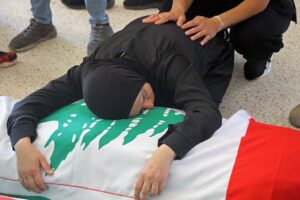
In the early weeks of Israel's assault on Lebanon, as civilians were being killed and displaced en masse, the headlines of mainstream outlets like Reuters, the Associated Press and The New York Times failed to mention who was responsible. Even after a million people had been forcibly displaced under threat of Israel's bombardment, a massive scale for a country of under six million people, a New York Times headline omitted every important piece of information.
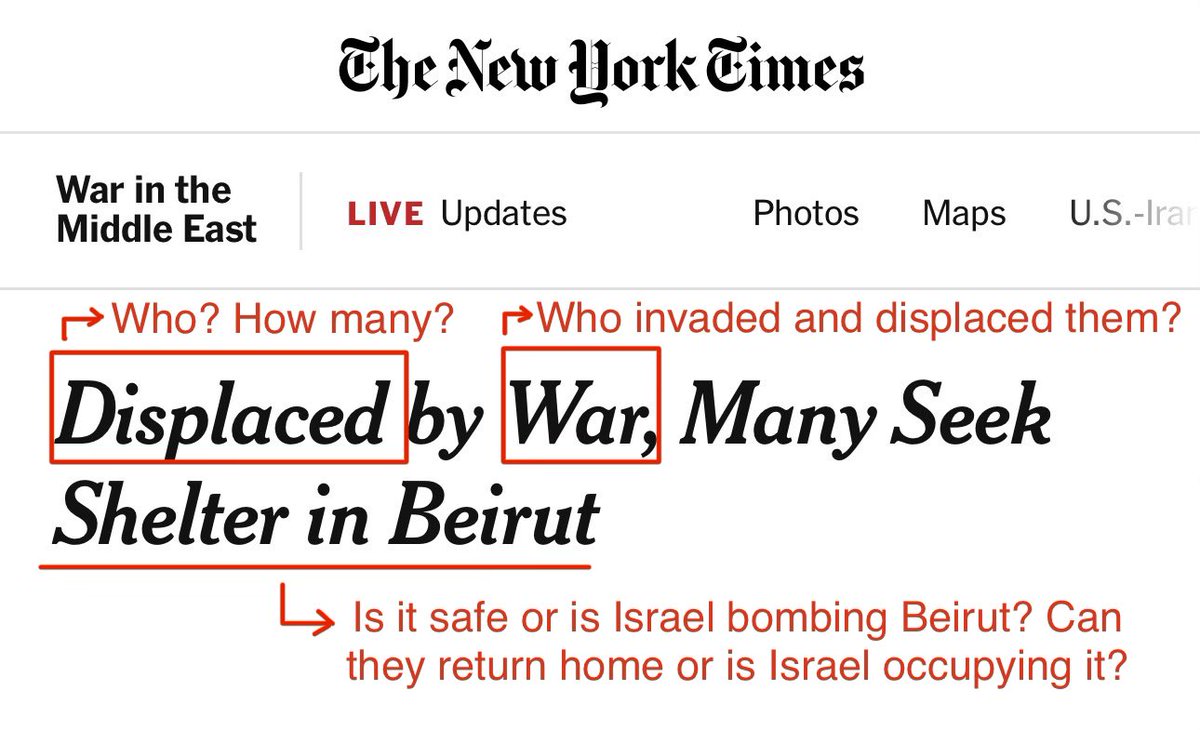
On March 22, I recorded a video highlighting a series of X/Twitter posts from Reuters, all of which failed to mention Israel as the party killing and displacing civilians in Lebanon. When Israel was guilty of egregious crimes like targeting first responders and killing and injuring 11 children per day, the stories were sparse, often excluding Israel in headlines or using vague language to soften the offense.
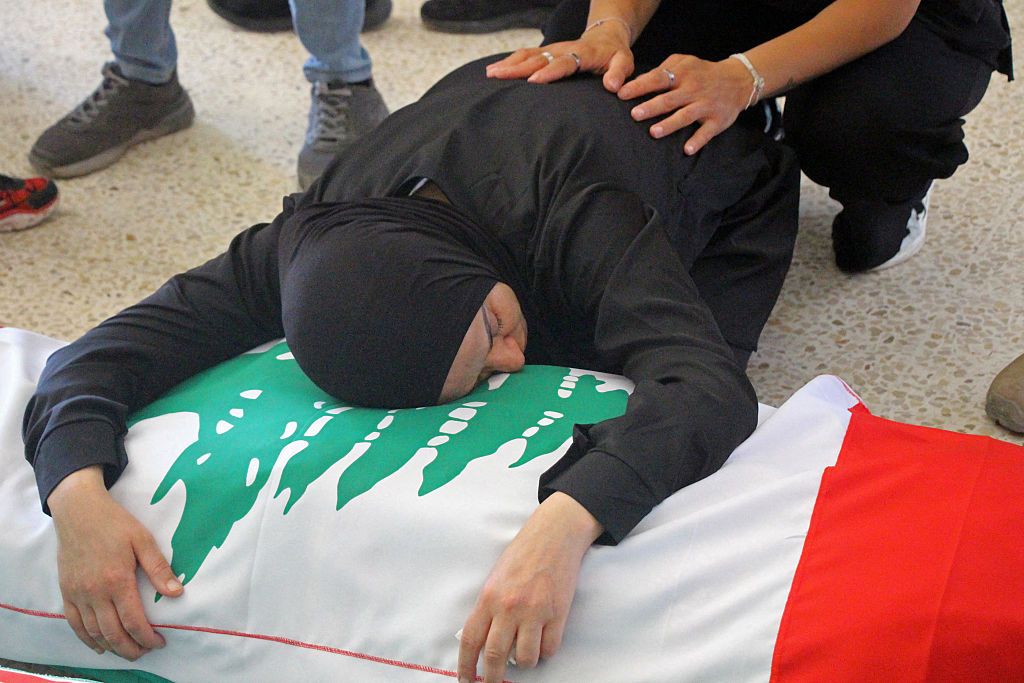
For instance, one NPR headline read, "After the sirens: Lebanon's first responders swing between duty and grief," failing to properly highlight that Israel had killed over 100 first responders in Lebanon. After Israel killed almost 400 people in the first week of March alone, the Associated Press shared a post that used passive voice and failed to identify the killer: "83 children are among the almost 400 killed in a week of conflict between Hezbollah and Israel, Lebanon's health minister says."
When Israel deepened its invasion and occupation of Lebanon, demolishing entire villages in its deliberate destruction of the south, legacy media watered down stories to avoid incriminating language. Even amid reports of Israel explicitly targeting Lebanese Shia based on their identity, the media did not use precise language to describe the acts: ethnic cleansing and collective punishment.
Instead of invasion, outlets called the actions "incursions" and Israel's "capturing of strategic positions," rather than the crimes of forced displacement and indefinite occupation. Authoritative outlets like Reuters and the NYT used calculated euphemisms like "warns residents to leave," "military-controlled buffer zone," "territory it controls in Lebanon" and "Israel entrenches." Consequently, Israel's military does not illegally occupy Lebanon; they simply say that they are "staying."
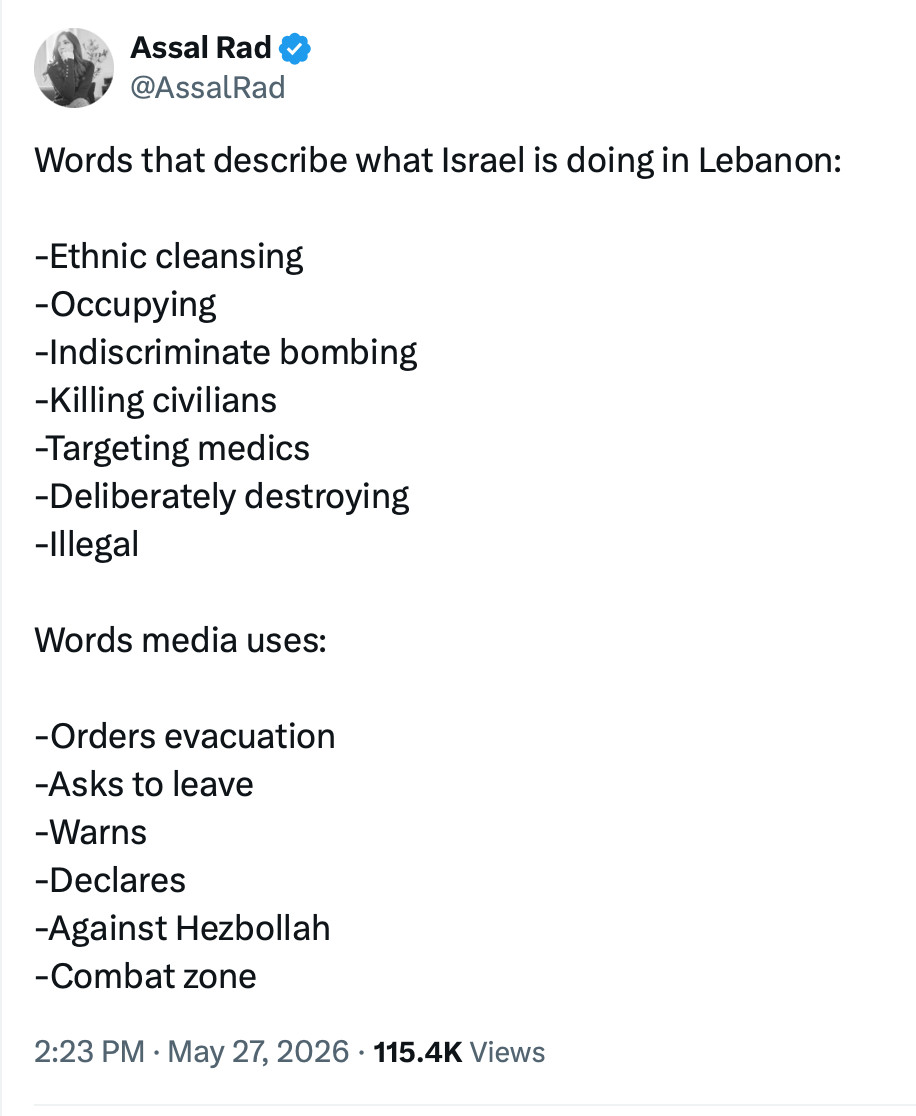
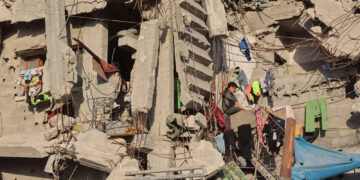
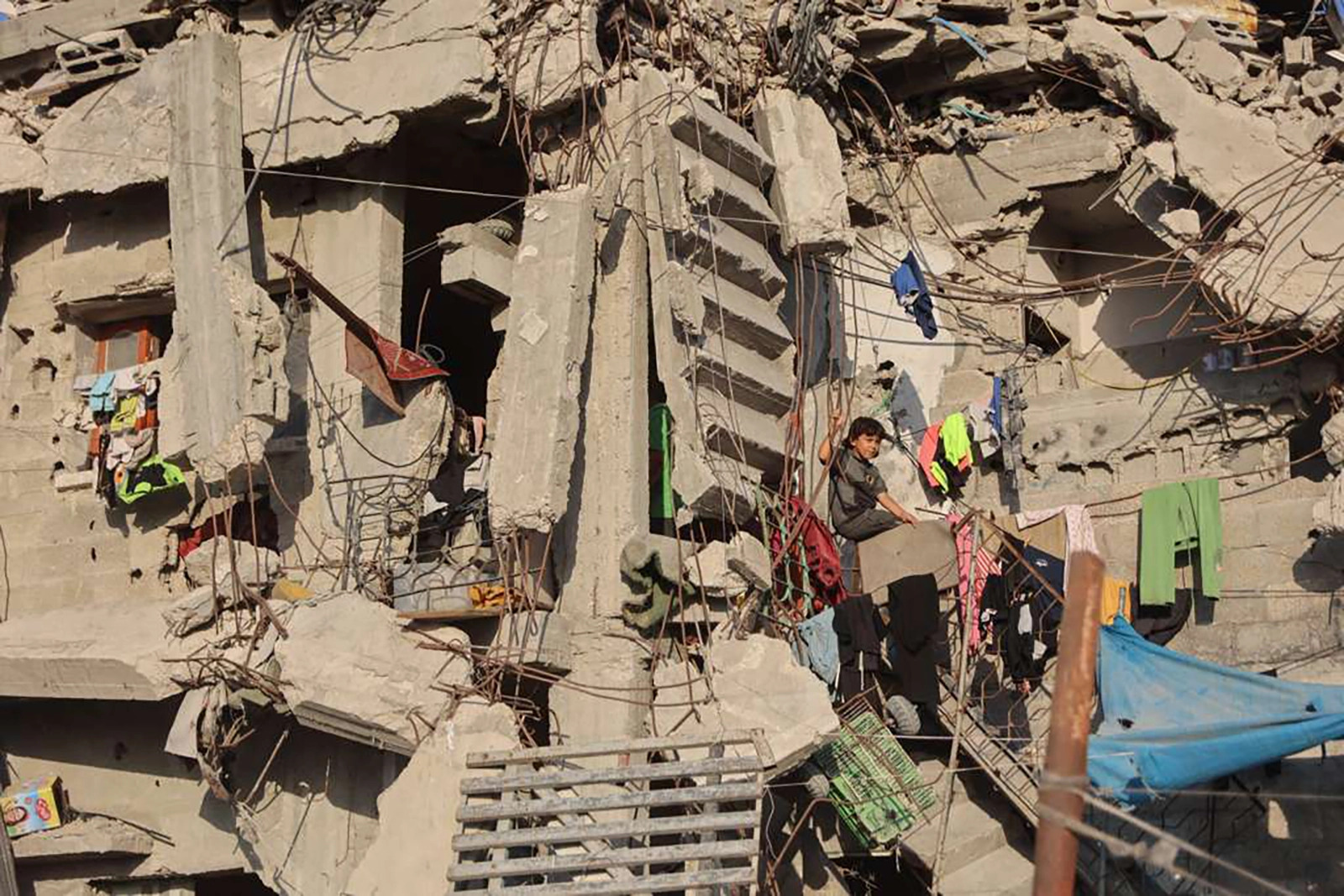
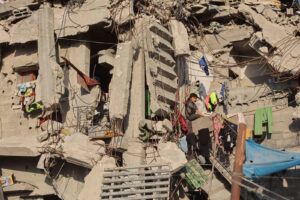
Images of southern Lebanon's devastation resemble the horrific pictures of Gaza's decimation, again proving Israel's deliberate policies and callous attitude towards international law and civilian life. Yet Western media employed phrases like "Gaza model," terminology used by Israeli officials, to describe the destruction. But Gaza is not a "model," it is a genocide. Using reductive words like "model" and "playbook" to explain what is happening in Lebanon minimizes Israel's war crimes while normalizing genocide in Gaza.
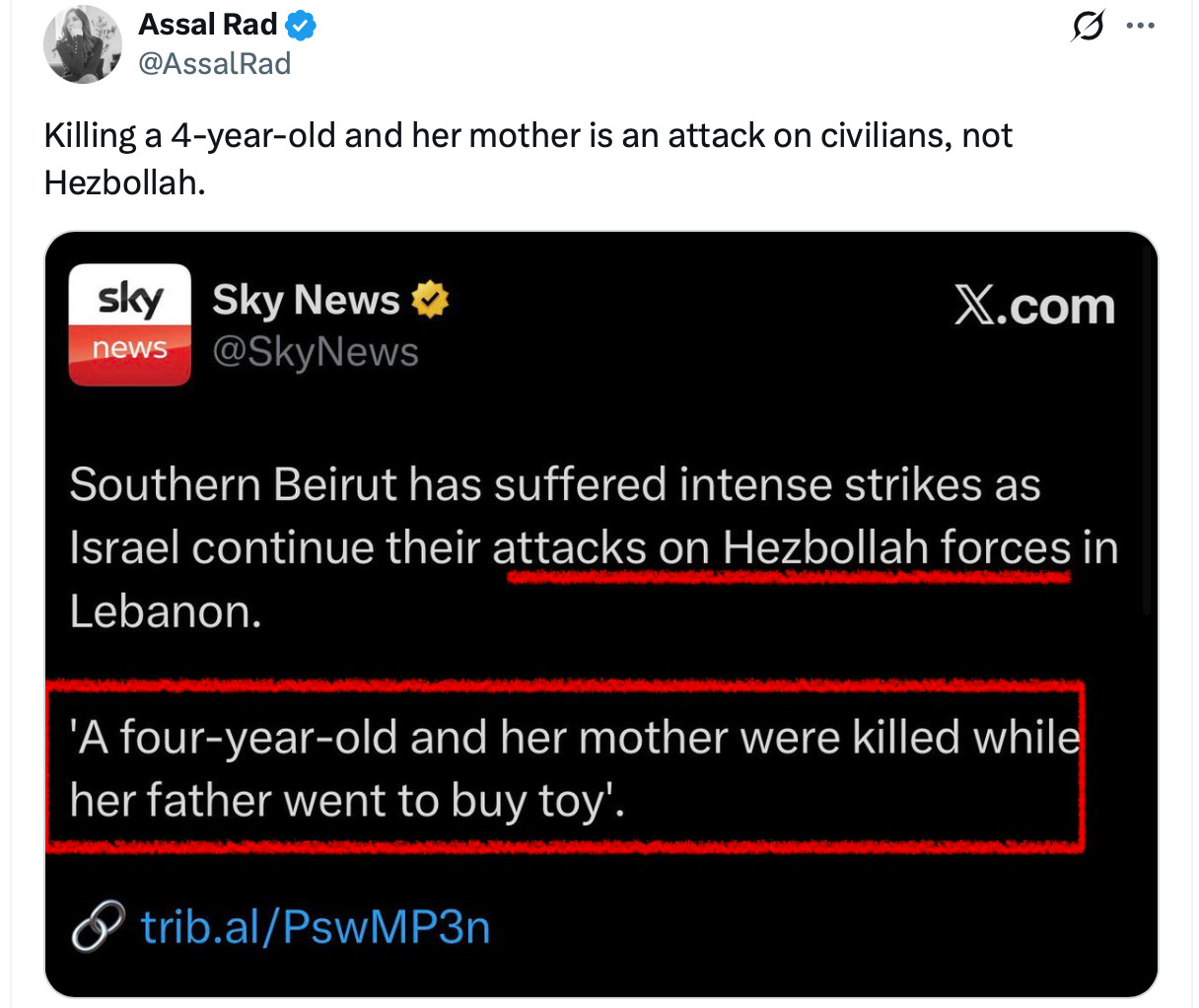
The connections to Gaza go on. Similar to the language of "targeting Hamas," legacy media outlets like the NYT, BBC, AFP, and Sky News framed the assault on Lebanon as "targeting Hezbollah" or "targeting Hezbollah strongholds," justifying the destruction of civilian homes and infrastructure. Yet the widescale damage, killing and displacement contradicted any notion of a targeted campaign, as Israeli officials explicitly stated their intent to "disappear" Shia villages in the south and flatten parts of Beirut "like Khan Younis."
After the April 8 attacks on Beirut killed dozens of people, The New York Times ran a headline stating, "Israel Strikes Hezbollah in Lebanon." When an Israeli strike collapsed a massive residential building in Lebanon's capital, AFP called it "targeting the Iran-backed militant group Hezbollah." While the BBC and Sky News shared stories of families and children killed in Lebanon, the accompanying text said Israel was attacking Hezbollah.
Public knowledge is not only shaped by how events are reported, but by the stories that receive little to no coverage. For example, on April 26, United Nations Children's Fund (UNICEF) Spokesman James Elder shared a desperate video message pleading for people to speak out against Israel's atrocities in Lebanon, saying, "The killing of children, attacks on hospitals, erasure of entire families is now met with justification or selective outrage or just silence." That silence came in part from a news media that helped justify Israeli violence yet again.
While news agencies like the BBC used phrases like "despite ceasefire" as Israel continued attacking Lebanon, respected humanitarian organizations like Save the Children called out the "so-called ceasefire" in which four children were still being killed or injured daily. Despite this dreadful statistic, Western media barely covered the statement. When Amnesty International published a June 17 report concluding that Israel had committed the war crime of "unlawful transfer," Western media essentially ignored it.
The parallels between Israel's actions in Gaza and Lebanon and Western media coverage of them offer another stark reminder of what has been normalized. Such linguistic choices are not accidental. They follow a pattern of reporting in the West that parrots the positions of the American and Israeli governments at the expense of civilians in the Middle East and around the world.
As I write in my forthcoming book, "The press is meant to challenge power, to shed light on the hidden realities of state actions, and to amplify the voices of those who are silenced. When political actors and states fail to adhere to their obligations under international law, when they facilitate and commit the vilest possible human rights violations, the free press is supposed to act as a mechanism to hold power accountable and to rectify an injustice."
Every day, we witness the opposite. Gaza offers one brutal example of how Western media "acted as a passive conduit for the narratives of those in power and actively expunged the very language needed to describe the atrocities that were occurring." Left unchecked, that dynamic has spread yet again, with disastrous results for Lebanon.
The views and positions expressed in this article are those of the author(s) and do not necessarily reflect the views of DAWN.