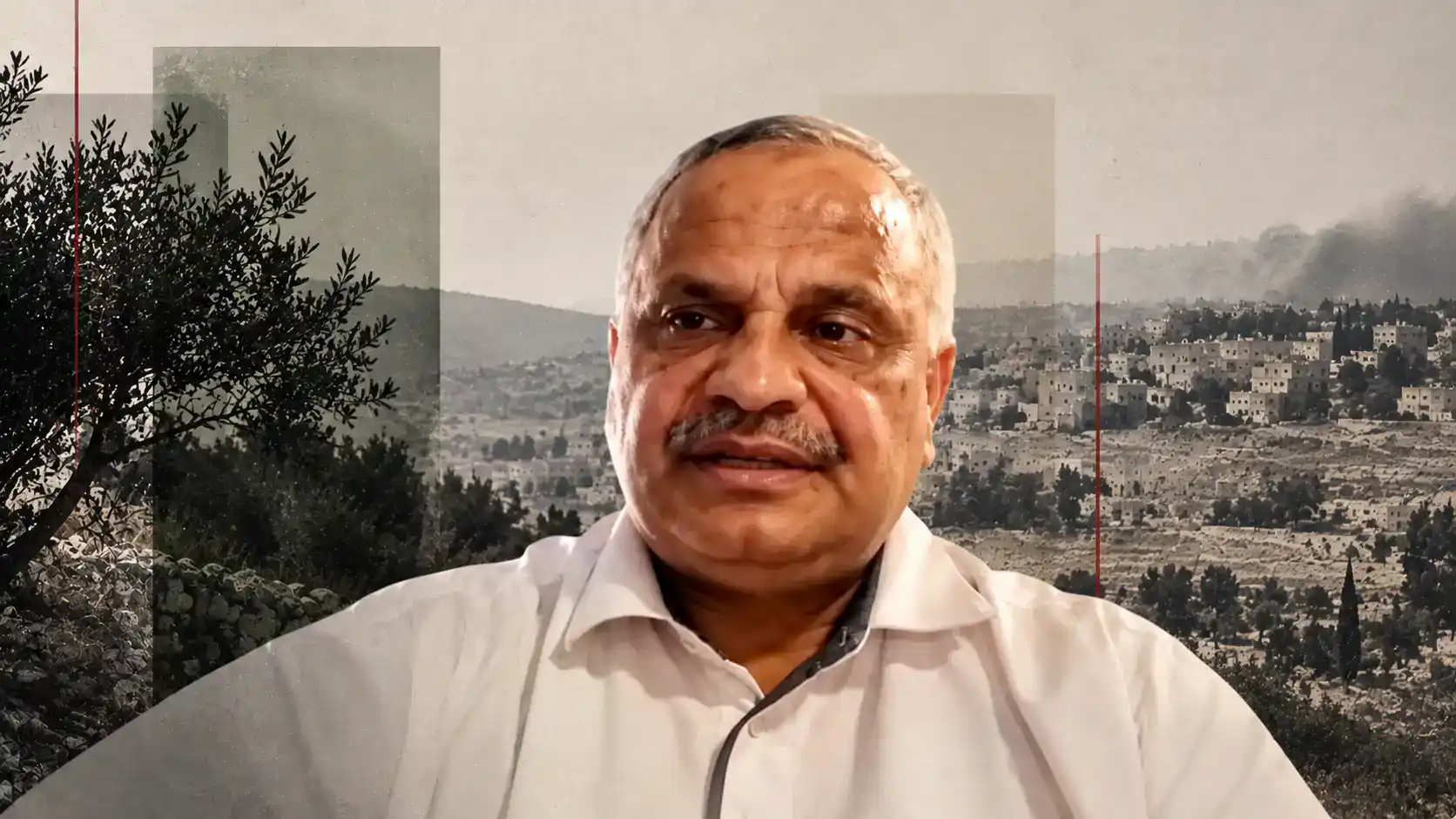

























Ahmad Algohbary is a freelance Yemeni journalist who has reported on the Yemen war for international media since war broke out in 2015. His work has appeared in The Guardian and Al Jazeera English, among other outlets. As Co-Director of Photography, Aloghbary filmed the 2018 documentary “Yemen Skies of Terror,” which was nominated for Emmy and Sheffield Awards, and won an online journalism award. Algohbary has also launched a public funding campaign via his Twitter account to provide support for child victims of the war. He tweets at @AhmadAlgohbary.
For years, Yemen's western coast constituted one of the most static frontlines in its largely frozen civil war. Tariq Saleh, nephew of the deceased former President Ali Abdullah Saleh, and his National Resistance Forces (NRF) aligned with Yemen's Internationally Recognized Government (IRG) held Mokha, Khokha and a long stretch of the strategic Red Sea coast for nearly eight years. Within days in early September, however, everything changed.
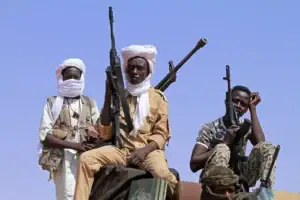
On Sept. 10, Yemen's Houthi Movement, also known as Ansar Allah, seized the historic port city of Mokha and advanced south toward the Bab al-Mandeb Strait. One day later, the NRF withdrew from Dhubab and, later, the island of Perim in the middle of the strait, ceding the region to Houthi forces.
The breakthrough gave the Houthis access to one of the world's most important maritime passages, a crucial development as Iran maintains its grip on the flow of shipments through the Strait of Hormuz in its war with the United States and Israel. Yet a more immediate question faces the IRG: How did a front that held for years collapse so quickly?
"Sadiq Dwaid, NRF spokesman, said the offensive came after months of Houthi preparations along the 105-mile (170-kilometer) front. He claimed the group mobilized more than 76,000 fighters and, between Aug. 9 and Sept. 9, launched 130 ballistic missiles, 145 drones and 15 explosive-laden boats at pro-government positions. He put National Resistance losses at more than 2,000 killed and wounded.
A. al-Faqih, a 35-year-old NRF fighter from Tihama, told Democracy in Exile that the faction fought around Hays on the old frontlines in Hodeidah Governorate before retreating through Khokha to Mokha along the coast. "We fought fierce battles at point-blank range," he said. "I saw many dead and wounded. It was literally hell."
A more immediate question faces the IRG: How did a front that held for years collapse so quickly?
- Ahmad Algohbary
He added that Houthi forces appeared to know government positions, targeting them to hinder their operations. That sentiment matches reported Houthi intelligence infiltration within deeply factional pro-government forces already facing morale issues.
Houthi fighters repeatedly advanced in waves, with one group attacking while another rested. "We were exhausted. We couldn't sleep," al-Faqih said. "I have fought the Houthis before, and we know how they fight. But this time was not like the previous times."
Western, Yemeni and regional officials say the breakthrough reflects Houthi preparedness while further revealing weaknesses among anti-Houthi forces, impacted by internal divisions, an untested command structure and limited Saudi air support. One diplomat said the Houthis, undermined by "[e]veryone, including the Saudis, had succeeded in quietly assembling around 100,000 fighters" in a massive buildup after the United Nations-sponsored truce of 2022, which largely ended the fighting that saw the Saudi-led coalition join pro-government forces in 2015.
As the front collapsed, al-Faqih witnessed a chaotic NRF withdrawal from Mokha. Following another withdrawal order from the port city and the announcement of a Houthi amnesty, he chose not to continue to Aden, fearing an uncertain fate. He ultimately surrendered instead.
The Houthis reject the claim that the Bab al-Mandeb was their objective from the outset. Mohammed al-Bukhaiti, a senior member of the Houthi Political Bureau, told Democracy in Exile that reaching the strait "was not an objective in itself."
"We did not plan to launch a military operation on the western coast," he claimed, accusing Saleh's forces of breaking the ceasefire at Saudi Arabia's behest. He said the result was the opposite of what Riyadh intended: losing the strait.
From his perspective, pro-government forces collapsed despite greater manpower and military resources, arguing they lost ground because they lacked a "just cause." Yet his group hopes to calm the frontlines, he said, to focus on Saudi Arabia moving forward.
That resources component is questionable because Iran's connection to the Houthis, while somewhat disputed in terms of scale, is documented. In that regard, the NRF's Dwaid accused the Islamic Revolutionary Guard Corps (IRGC) of directing the Houthi offensive. Yemeni, Iranian and regional sources have similarly claimed that Revolutionary Guard personnel provided guidance, promising additional weapons and support.
Iranian officials have long refuted these claims, asserting that the Houthis alone made the decision to advance on Mokha. Tehran benefits in its war from Houthi operations that further pressure global energy markets.
Al-Bukhaiti similarly rejected the notion of IRGC control of his group, claiming Iran was preoccupied with its war. He did, however, acknowledge that improved Houthi missile, air and drone capabilities played an important role in the offensive.
Western, Yemeni and regional officials say the breakthrough reflects Houthi preparedness while further revealing weaknesses among anti-Houthi forces, impacted by internal divisions, an untested command structure and limited Saudi air support.
- Ahmad Algohbary
The debate surrounding the group's capacity to build weapons indigenously and at scale is similarly ongoing, although the Houthis have made advancements in recent years. Parallel support from Riyadh for pro-government forces has fostered a situation in which the overall flow of weapons and technology into Yemen is driving a major uptick in drone warfare between Houthi and IRG forces.
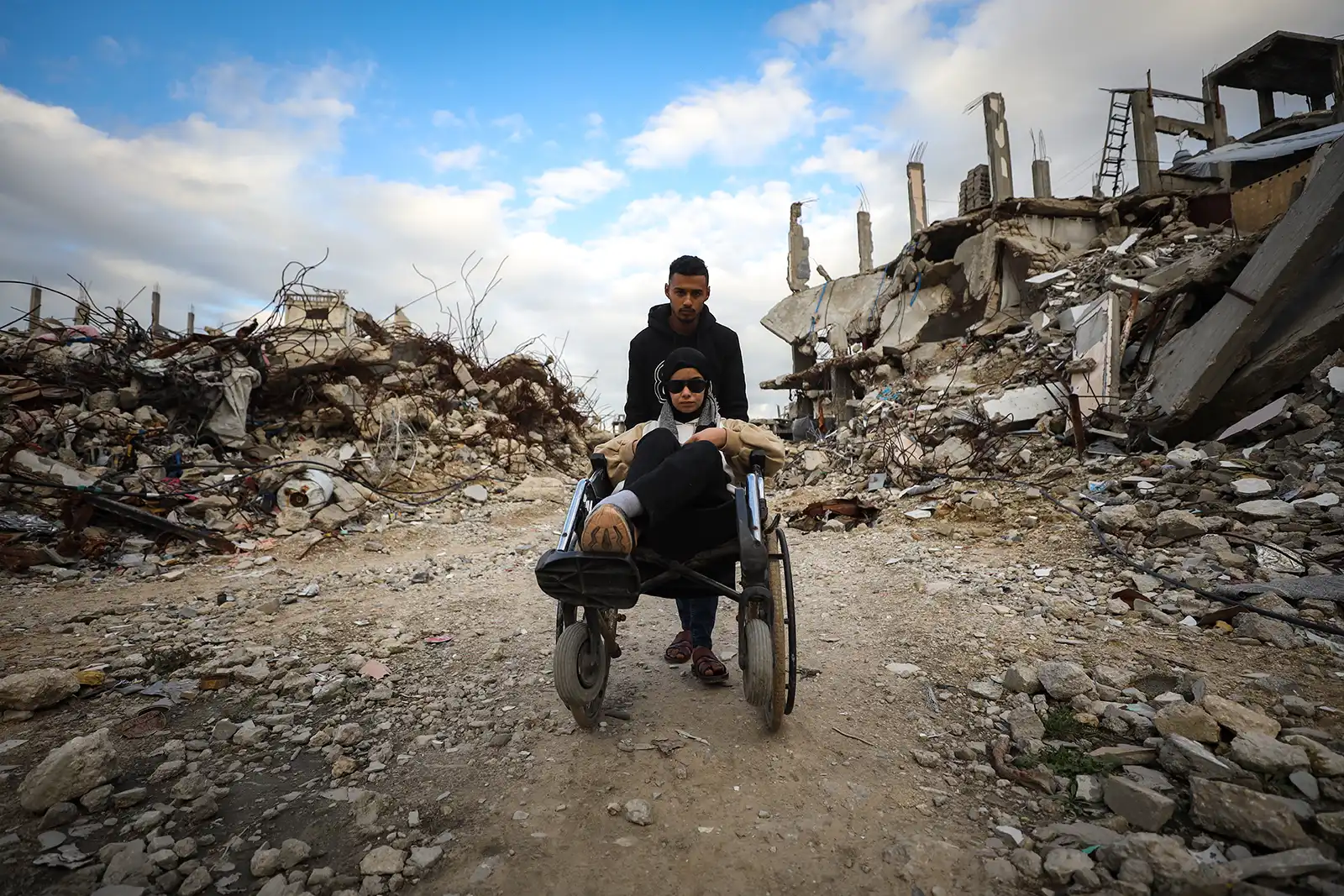
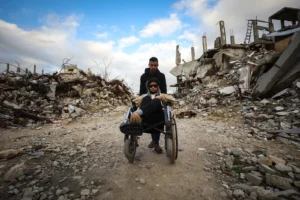
For civilians in Mokha, competing accounts about international support, weapons flows or how the city fell matter less than what followed.
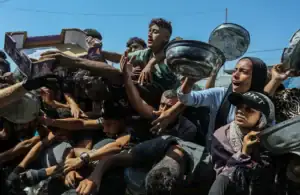
The renewed fighting has displaced over 130,000 people, according to the U.N. International Organization for Migration. Some fled to Aden, while thousands more have crossed the Red Sea to Djibouti. Djibouti's economy and finance minister, Ilyas Moussa Dawaleh, said on Sept. 13 that his country received 2,084 refugees from Yemen and warned arrivals were becoming increasingly difficult to absorb.
Abu Bakr al-Zubaidi, a 24-year-old motorcycle-taxi driver who decided to stay in Mokha, told Democracy in Exile that he witnessed many residents flee when Houthi forces attacked. He said Houthi fighters told shopkeepers to reopen their businesses, and that daily activity has gradually returned.
Al-Zubaidi did not hear of or witness attacks or mistreatment of civilians, noting the Houthi amnesty for those who had fought against them.
Residents nevertheless remain insecure amid continued fighting and fears of possible repression, despite the amnesty. Those concerns are rooted in history: The group has for years conducted harsh crackdowns in territory it controls. "We don't feel stable," al-Zubaidi said. "There are continuous airstrikes, and we fear this will become a long war, back and forth."
"We are only trying to earn our daily bread," he explained.
In Taiz, civilians fear they could be next, as nearby fighting straddles one of Yemen's largest cities and the highlands that overlook the western coast. That fear is driving more displacement.
Moqbel Bajash, a 41-year-old construction worker in Taiz, said displaced families arrived from areas affected by the fighting, including Mudhaffar in Taiz City and the outlying districts of Mawza, al-Misrakh, al-Ma'afer and al-Shamayatayn. Some, he said, sleep in the open due to limited capacity to support the displaced.
Bajash noted intensified shelling relative to the truce years, particularly near the frontlines around the Republican Palace in Eastern Taiz City, although he had not witnessed a Houthi advance from northeastern al-Hawban toward the city. "Sometimes we are sleeping at night and suddenly hear the shelling," he noted. "The children wake up terrified."
"Our life in Taiz is hell," he said.
Bajash's greatest fear is that the fighting could further enter the city. "We don't even know where we would go," he said. "We are exhausted by war. Enough."
Behind the complex military and regional calculations mainstreamed across Western media lies a simple reality: The Houthi advance occurred as the region remains trapped in violent conflict and as Washington and Riyadh face few good options. Yemenis, meanwhile, have spent more than a decade living with bombardment, displacement, economic hardship and uncertainty. Commanders speak of fronts, sovereignty and strategic waterways, but civilians trapped here demand something more basic: the chance to finally live in peace.
The western front has changed, shifting the country's war. With it shifts Yemen's already dire situation, making the choices Yemenis face daunting. They face a dire question: whether the latest developments will create a path away from war or begin another chapter of it.
The views and positions expressed in this article are those of the author(s) and do not necessarily reflect the views of DAWN.