





























Lisa Adhikari is a grassroots organizer focused on Palestinian, Dalit and Muslim human rights. A former teacher, she applies a research-driven, investigative approach to issues of justice, power and accountability and writes at the intersection of human rights, politics and the rhythm of daily life. Follow her on Substack, BlueSky, and Instagram.
Since the 2000s, the Israeli state has offered American officials all-expenses-paid trip to Israel, marketing them as educational exchanges. In September 2025, that machinery reached a new frontier amid Israel's ongoing genocide in the Gaza Strip. The Israeli Ministry of Foreign Affairs funded its first "50 States 1 Israel" tour, which ran from Sept. 14-18, 2025. It flew the largest delegation of state legislators Israel had ever hosted, with another round this year wrapping up in recent weeks hosting similar numbers. The goal is direct: turn lawmakers into advocates for pro-Israel legislation and investment back home at a time of rapidly increasing criticism of its genocide, apartheid and occupation of Palestine.
American public opinion is turning sharply against Israel. An April 2026 Pew survey found that 60% of Americans now hold an unfavorable view toward Israel, up from 53% a year earlier. In response, the Israeli government has poured additional money into a campaign to protect the support it has long enjoyed in the United States, not limited to state delegation visits to Israel.
The delegates participating in the 50 States 1 Israel tour walked through a carefully staged production. They cleared Israeli customs with VIP service and slept in five-star hotels like the King David in Jerusalem. Prime Minister Benjamin Netanyahu, Speaker of the Knesset Amir Ohana and Foreign Minister Gideon Sa'ar welcomed them, with other senior officials participating throughout the trip. The delegates followed a tightly controlled itinerary, with every stop pointing toward a single conclusion. Sa'ar made this clear, pointedly asking the delegates to go home and pass anti-BDS laws.
American public opinion is turning sharply against Israel. An April 2026 Pew survey found that 60% of Americans now hold an unfavorable view toward Israel, up from 53% a year earlier.
- Lisa Adhikari
The delegates traveled across Israel, touring the Old City and Yad Vashem. They stopped near Sderot, where Israelis gather to watch the bombardment of Gaza. They planted saplings for the Jewish National Fund on the ruins of Palestinian villages Israel had previously ethnically cleansed. At Peduel, an Israeli settler outpost in the occupied West Bank that is illegal under international law, they sat through a settlement briefing.
There, officials told them that the land belongs to Israel, both as a matter of security and by divine right. The schedule never included a single Palestinian community, family or voice. Had the delegation left the Peduel briefing and driven twenty miles east, they would have reached the towns of Beita and Turmus Ayya. Here, Israel has killed numerous American citizens, according to DAWN's "American Body Count" tracker, not that Israeli authorities hoped to highlight that fact.
In August 2024, Daniel Santiago, a Filipino-American school teacher from New Jersey, was shot in the leg from behind by an Israeli soldier. A month later, Ayşenur Eygi, a Turkish-American from Seattle, was killed by an Israeli sniper's bullet as she took refuge behind an olive tree. And on April 6, 2025, Amer Rabee, a 14-year-old Palestinian-American from New Jersey, was shot eleven times, twice in the head, while picking green almonds with two friends.
Calls went out to legislators and elected officials to demand independent investigations from the Biden and Trump administrations. There has been no justice for the grieving families and friends, and little action from the people the American public elected to represent them.
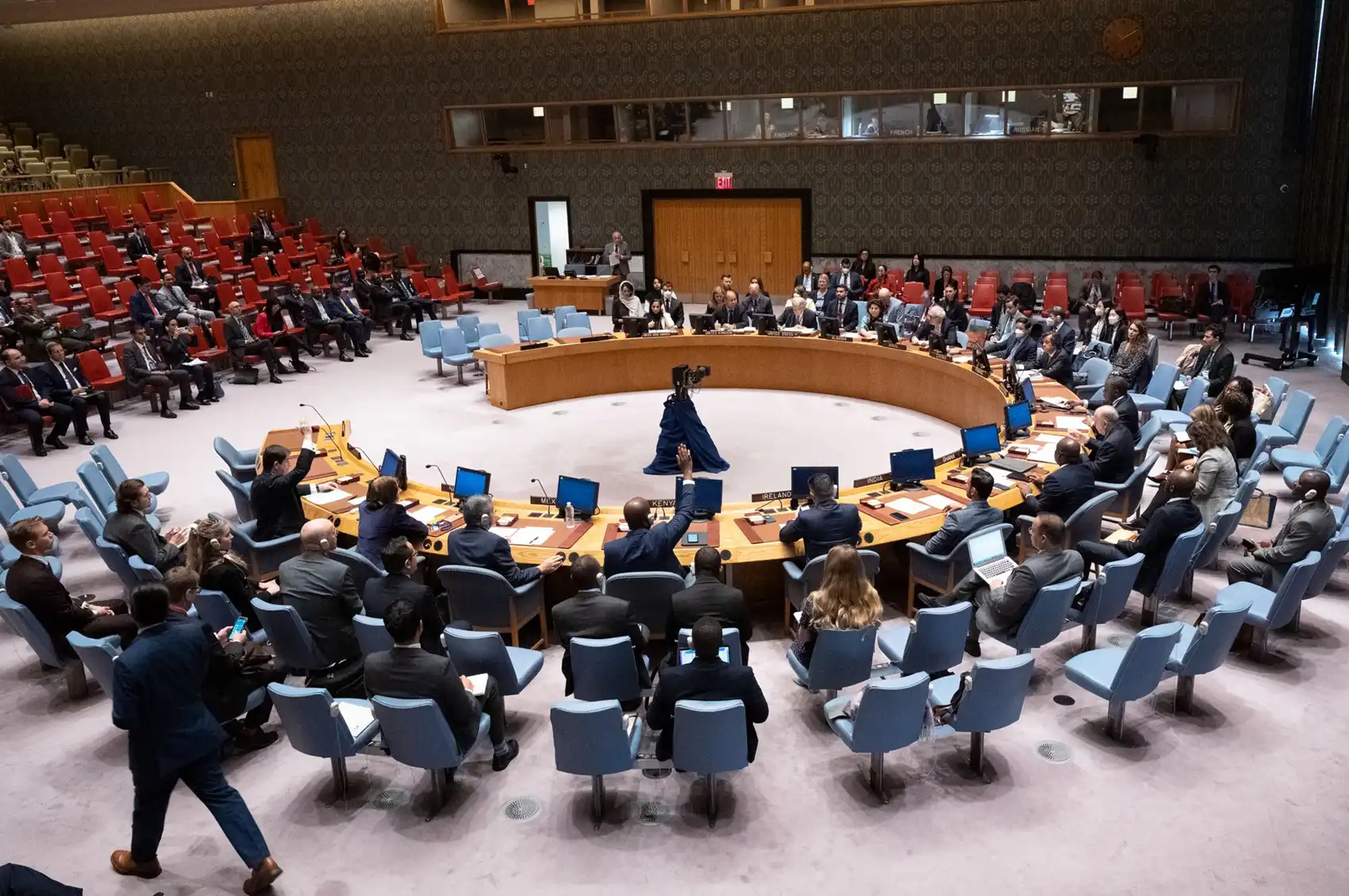
The lingering nature of those crimes, coupled with timing of the trip, constituted its most damning features. On the delegates' first night, Israeli strikes killed 53 people in Gaza City ahead of the Israel Defense Forces' (IDF) operation there, including a three-year-old. On Sept. 16, the United Nations Human Rights Council released a report concluding that Israel was committing genocide in Gaza. That same week, the United States cast its sixth veto of a Gaza ceasefire resolution since the Oct. 7, 2023, Hamas attacks on Israel.
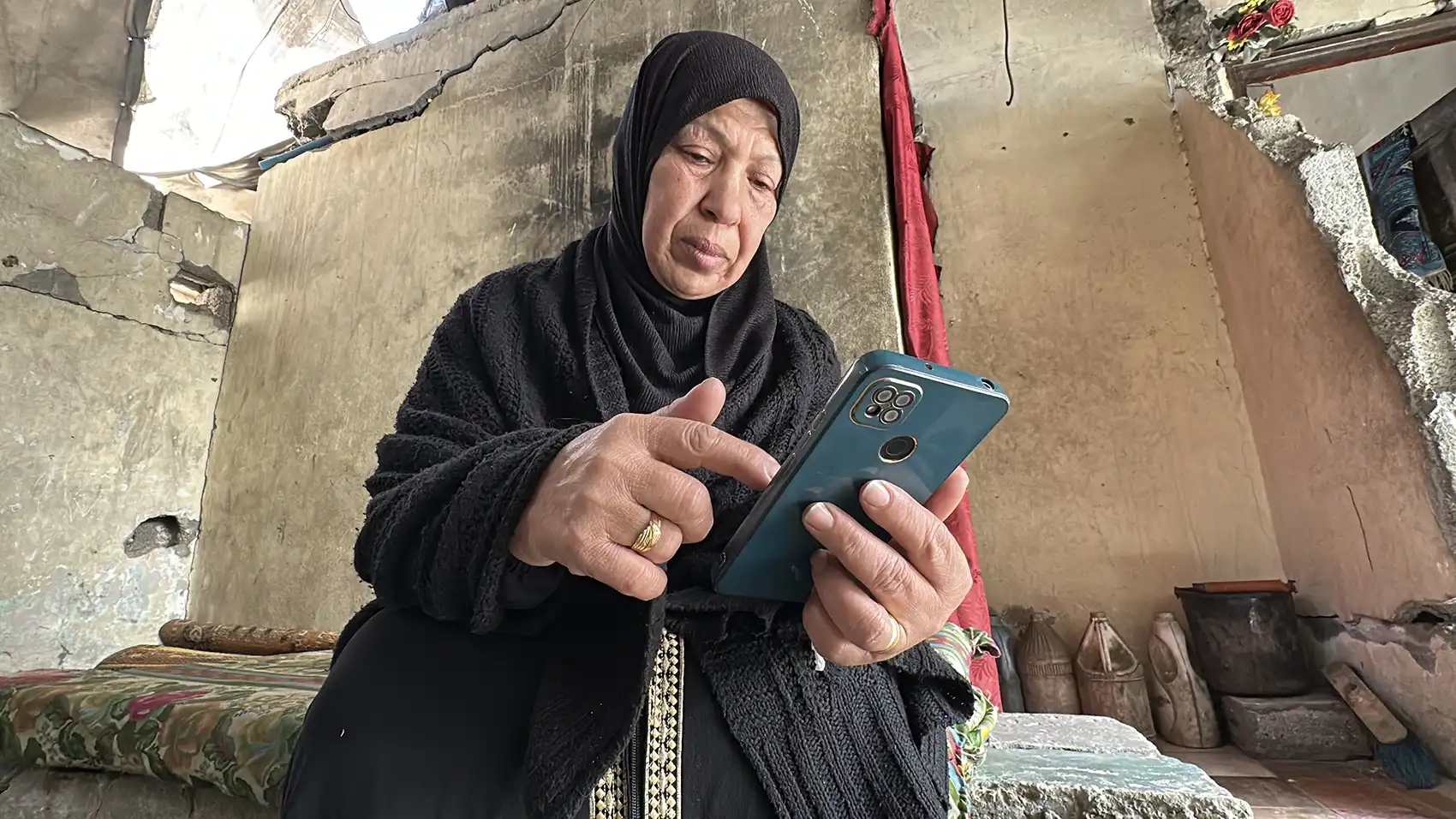
The confirmed toll of Palestinians who had starved to death in a U.N.-confirmed famine intentionally caused by Israel climbed past 400. Over 140 of them were children. The gap between the choreographed hospitality inside the tour and the destruction just miles away in Gaza was blatant.
Israel improvises none of this choreography. It calls such state propaganda hasbara, and the government funds it as a formal arm of policy. Sa'ar took office as Foreign Minister in 2025 after he secured an extra $150 million for the ministry's hasbara budget. Israel spent roughly $40 million of that money to host some 400 foreign delegations of lawmakers, pastors, influencers and university presidents.
Officials do not simply receive a sponsored narrative. They choose whether to take the trip, and they choose whether to believe it. American political leaders can and should recognize that choice and the morality or immorality of it.
- Lisa Adhikari
The 2026 hasbara budget has ballooned to $730 million. That investment buys legislation. Restrictions or outright bans on boycotts of Israel exist in 37 U.S. states, with new bills blurring the line between the religion of Judaism and the actions of a state every year. It is within this context that the delegates returned to the United States with instructions, not a nuanced understanding of the context or even a modicum of consideration for Palestine or Palestinians.
The 50 States 1 Israel tour is not a novel development. It represents the newest level of a house the pro-Israel lobby built in Washington decades ago. Since the mid-2000s, the American Israel Education Foundation (AIEF), the charitable arm of the American Israel Public Affairs Committee (AIPAC), has sponsored more privately funded congressional travel than any other group engaging Capitol Hill, flying hundreds of members of Congress to Israel on nearly identical itineraries.
The AIEF exists for a particular legal reason. The 2007 Honest Leadership and Open Government Act bars lobbyists from paying for officials' travel, meaning AIPAC cannot legally fund the trips. Instead, it routes them through AIEF, a 501(c)(3) education foundation, and it even pays the salaries of the staff running the organization. Craig Holman of Public Citizen, who helped write that 2007 law, calls the arrangement the "AIPAC loophole."
Utilizing "education" terminology effectively launders influence in Washington, just as the phrase "educational exchange" launders it on the state trips. The 50 States 1 Israel tour pushes this proven federal model down to the state capitols, the front lines of the anti-BDS fight.
Still, not everyone accepts the script. Two weeks before the September 2025 state trip, U.S. Senators Jeff Merkley and Chris Van Hollen led an official congressional fact-finding mission across Israel, the occupied West Bank, including East Jerusalem, Jordan and Egypt. They concluded that the Netanyahu government was pursuing ethnic cleansing in Gaza, alongside "ethnic cleansing in slow motion" in the West Bank. Similarly, Ohio State Senator Beth Liston listened to her constituents and canceled her place on the 50 States 1 Israel trip. She refused, in her words, to be "part of a propaganda campaign."
Their example is the counterpoint. Officials do not simply receive a sponsored narrative. They choose whether to take the trip, and they choose whether to believe it. American political leaders can and should recognize that choice and the morality or immorality of it. The same goes for those who participated in the 50 States 1 Israel delegations this year.
That truth leaves U.S. citizens with an obligation. The United States leaves a heavy footprint on the world, which should lead voters to press their representatives at every level of government. They can ask three plain questions: Who paid for the trip? Whom did the organizers leave out of the room? What did the lawmakers promise in return?
The demand is simple: transparency and accountability that fosters a public informed enough to see past the propaganda at play. It only takes the courage to do so.
The views and positions expressed in this article are those of the author(s) and do not necessarily reflect the views of DAWN.