






















Nikola Mikovic is a freelance journalist, researcher and political analyst based in Serbia. His work focuses on geopolitical developments across the post-Soviet space, the Balkans, the Middle East and Southeast Asia, with particular attention to Russian foreign policy. His articles have appeared in various international outlets, including the South China Morning Post, CGTN, The Times of Central Asia, the Lowy Institute, the Diplomatic Courier, and Byline Times, among others.
Several rounds of talks between the United States and Iran have failed to foster lasting peace in the Middle East as Washington's war once again intensifies. The two sides continue to exchange missile strikes and hostile public rhetoric while attempting to implement the details of their memorandum of understanding (MOU) signed just three weeks ago. That deal increasingly appears to be dead, reflecting a similar context that could be informative: The Russia-Ukraine War and long-running fight over the latter's Donbas region.
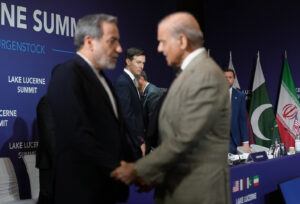
When the United States and the Islamic Republic reached a ceasefire agreement on April 8 and began negotiations in Islamabad a few days later, the prospects for a permanent settlement to the conflict remained slim. During the active phase of the war, both Washington and Tehran held maximalist goals, with the former struggling to define a victory narrative or strategic coherence as the latter rightly viewed the fight as existential.
Having failed to produce regime change in the early days of the war, the United States, alongside Israel, has aimed to weaken Iran's military capabilities, dismantle its Axis of Resistance militia network and secure control over strategic assets like the Strait of Hormuz. The Islamic Republic, meanwhile, has sought to preserve its political system, force a U.S. withdrawal from the region, maintain its regional alliances and secure guarantees against future attacks. As neither party has fully achieved its strategic objectives, the resumption of hostilities was only a matter of time so long as efforts to "win the peace" failed or became too politically costly.
As neither party has fully achieved its strategic objectives, the resumption of hostilities was only a matter of time so long as efforts to "win the peace" failed or became too politically costly.
- Nikola Mikovic
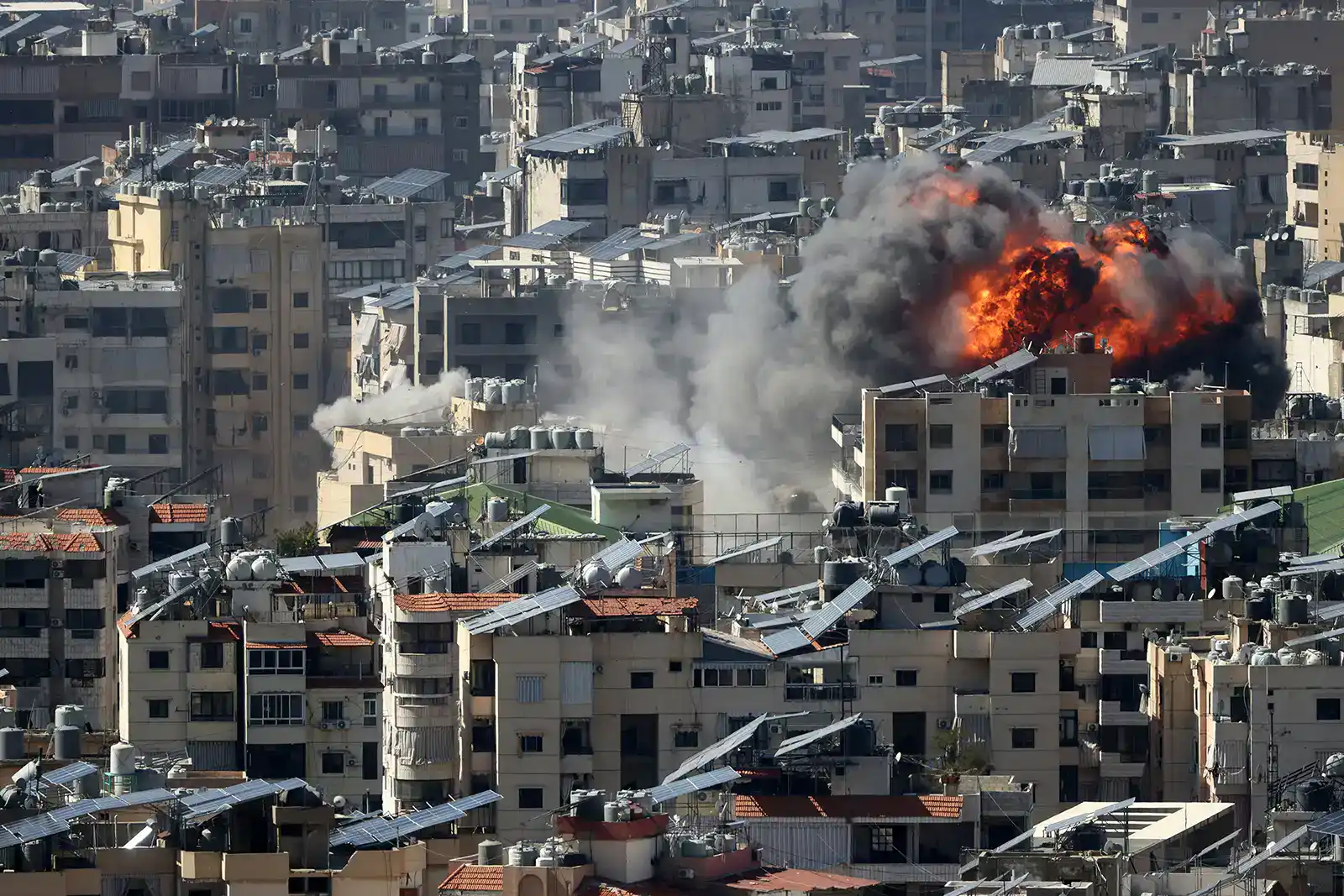
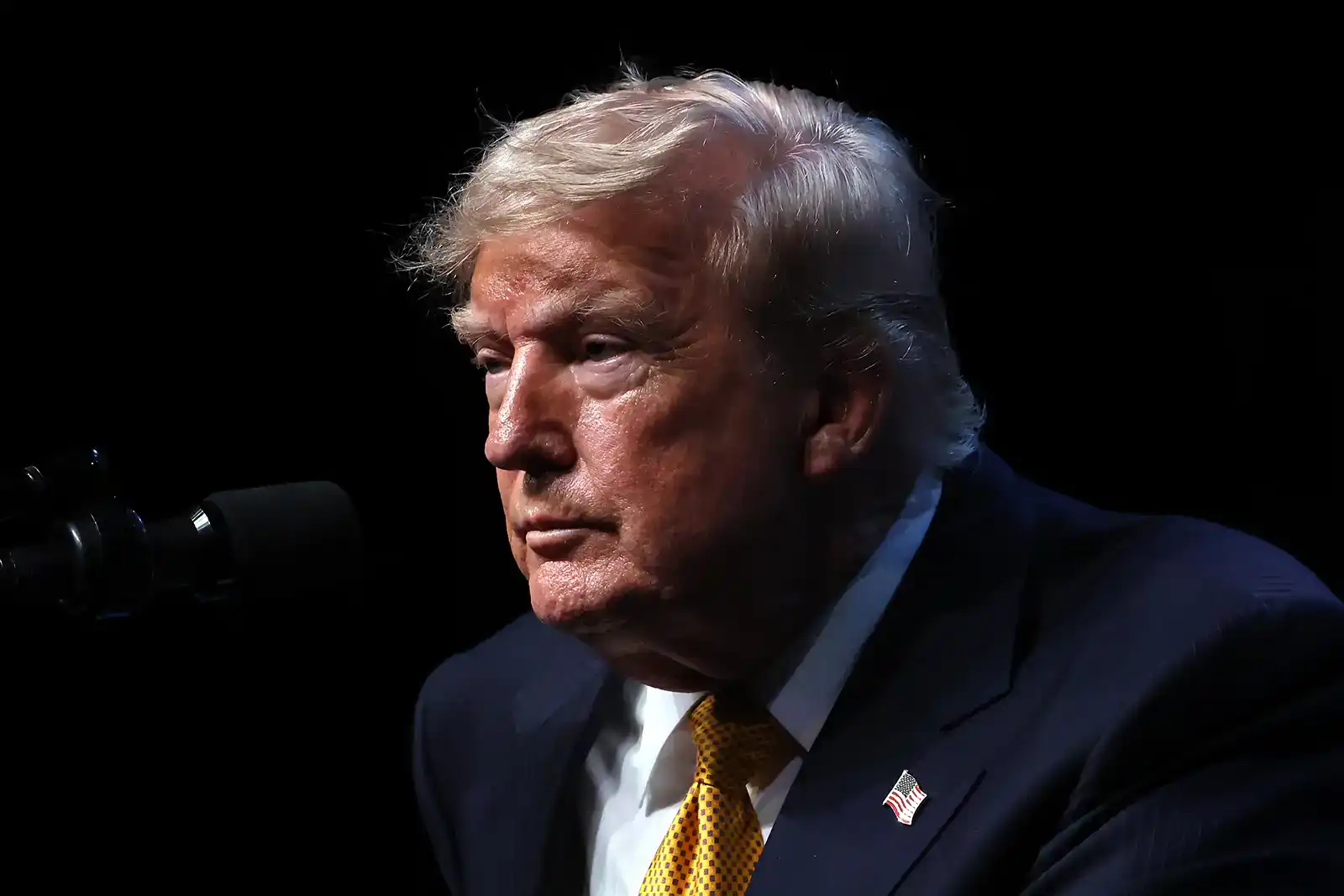
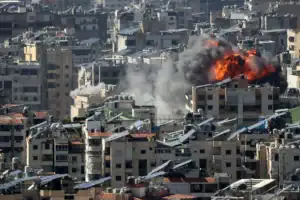
Despite a series of negotiations in Islamabad and Geneva, the ceasefire never truly held. Since April, U.S. forces have repeatedly struck various targets in Iran, while Tehran has responded with attacks on American bases in the Gulf states and shipping in the Strait of Hormuz. The last week has witnessed a major uptick in tit-for-tat strikes over the MOU's limited details regarding the Strait, with U.S. President Donald Trump declaring it "dead" due to the hostilities while calling Iran's leaders "scum."
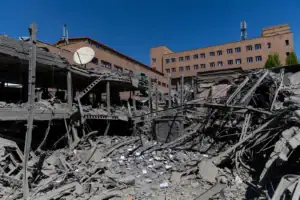
Yet even with the escalation, the war today is relatively low-intensity, resembling the seven-year "neither war nor peace" situation in the Ukrainian Donbas between 2015-22. Despite the 2014-15 Minsk Agreements between Moscow and Kyiv, deals that merely froze the conflict, Russian-backed forces and the Ukrainian military remained engaged in positional fighting, with neither side making significant territorial advances while resorting to shelling and sniper fire.
Before Minsk, the war experienced some of its heaviest fighting, as Moscow-sponsored Donbas militias managed to establish control over parts of the coal-rich region. They unilaterally declared independence for Ukraine's Donetsk and Luhansk regions, a move that Moscow recognized in 2022.
In the meantime, by maintaining low-level hostilities, both Ukraine and Russia's proxies prepared for an inevitable escalation of the conflict. During the Minsk period, Ukraine used the relative pause in large-scale fighting to reform and train its armed forces, while Russia continued providing political, military and logistical support to its proxies in eastern Ukraine to maintain the conditions for escalation. Still, during the fragile ceasefire, Russian officials repeatedly claimed that there was "no alternative" to the Minsk Agreements.
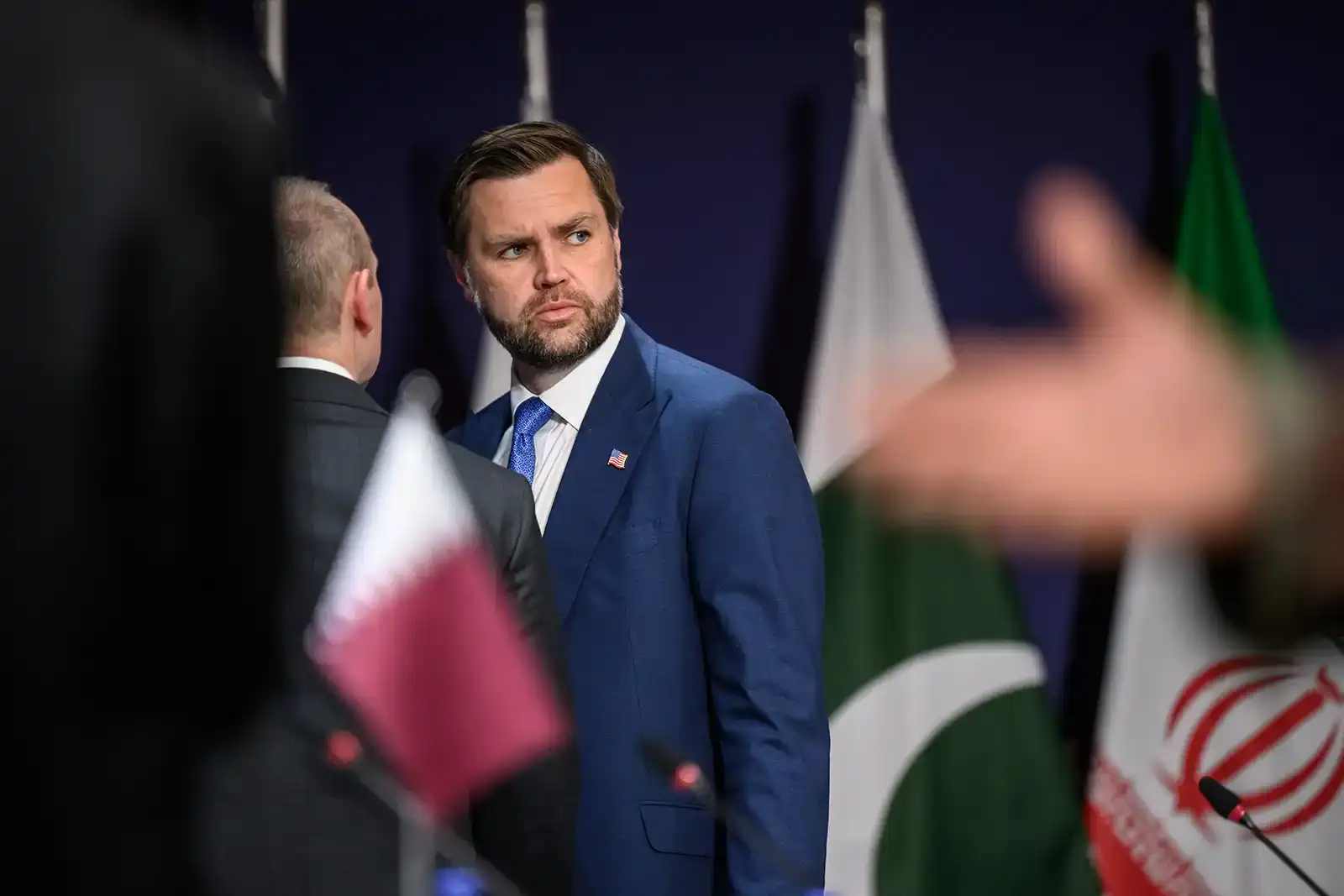
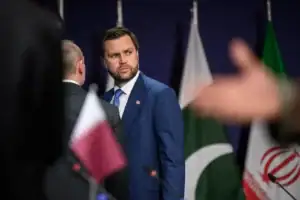
Today, it is Pakistan that insists there is "no alternative" to continued engagement, dialogue and diplomacy to achieve the shared goal of Middle East peace. Yet in reality, both Washington and Tehran are using the ceasefire to prepare for another round of confrontation that may now be starting. American officials like Vice President JD Vance have suggested as much.
The problem for Washington is that strikes alone are insufficient to bring about regime change or a major change in behavior within the Iranian state, nor will they stem domestic frustrations with the conflict.
- Nikola Mikovic
Back in May, reports indicated that the United States was planning a fresh round of military strikes against Iran. Additional reports similarly claimed that the Islamic Republic was rapidly accelerating its ballistic missile production capacity while digging out its "missile cities," essentially massive underground bunkers where it stores its missile stockpiles. Washington and Tehran seem fully aware that endless talks are unlikely to lead to a peace deal, just as Moscow and Kyiv almost certainly understood that the Minsk Agreements could not alone resolve the Donbas conflict.
Indeed, during the "Minsk era," Ukraine actively rebuilt its military, which had suffered a series of defeats in the Donbas between 2014-15. At the time, it was Ukraine that needed a truce, as Russian-backed forces had the advantage and threatened to achieve further strategic gains on the battlefield. But the ceasefire agreements also gave Moscow time to strengthen its economy, especially after Western states placed severe sanctions on it, in preparation for its expansion of the conflict with the 2022 invasion of Ukraine. Thus, the documents Moscow and Kyiv signed constituted a smokescreen that froze the conflict, disguising their true plans.
Washington and Tehran appear to be using the same approach, highlighting how the MOU may only have served to freeze the conflict as well. Since the United States, during its air and missile campaign against Iran, was reportedly depleting its missile reserves as the global energy market neared a cliff, it is no surprise that Trump pressured the Iranian authorities to establish a "two-week ceasefire" in April. At the time, Iran's control of the Strait of Hormuz and Hezbollah's relative resilience may have helped it achieve two of its primary objectives: regime survival and re-establishing a deterrence structure that prevented any future attacks on its interests and territory. Whether Tehran viewed the situation as fruitful for instilling those victories is unclear but likely given its decision to sign the MOU.
In this context, both parties most likely preferred a deal that met their interests. The problem, however, is that neither side has fully accepted the other's negotiating position while hoping to manipulate the vague MOU text to their benefit. These developments ultimately fostered the return to major hostilities, similar to developments after the Minsk Agreements and Russia's subsequent invasion of Ukraine.
Those similarities, however, do not necessarily suggest that the White House will follow the Kremlin's playbook and launch an invasion of Iran anytime soon, if at all, despite Trump's threats. Washington is certainly aware of Moscow's quagmire in Ukraine following its decision to invade and has already failed in a similar fashion in the early days of the war to unseat the government in Tehran. To be sure, it killed many of the Islamic Republic's senior leaders, including Supreme Leader Ali Khamenei. But with the war unpopular at home and midterms on the horizon, the United States has decided to renew its air campaign, rather than commit troops to a costly and deadly ground invasion that would further stoke "forever war" accusations and anger at home.
Yet the problem for Washington is that strikes alone are insufficient to bring about regime change or a major change in behavior within the Iranian state, nor will they stem domestic frustrations with the conflict. That problem contradicts the Trump administration's desires for a pro-U.S. puppet government in Tehran, which it seems to view as necessary to achieve its geostrategic goals in Iran and the Middle East. In a similar fashion, Russian strategic planners understand that, without a pro-Russian puppet government in Kyiv, it cannot achieve its goals of Ukrainian subjugation and the broader re-establishment of its influence across Eastern Europe.
These strategic shortcomings explain why both Moscow and Washington have projected a willingness to reach a peace deal. Yet it is their actions that speak: Both continue to reinforce their positions for a potential escalation in search of solutions to their self-created problems with their rivals. Whether Trump can recognize the folly of his illegal war of choice and avoid an even more disastrous quagmire like that of Russian President Putin's war of choice on Ukraine remains to be seen.
The views and positions expressed in this article are those of the author(s) and do not necessarily reflect the views of DAWN.