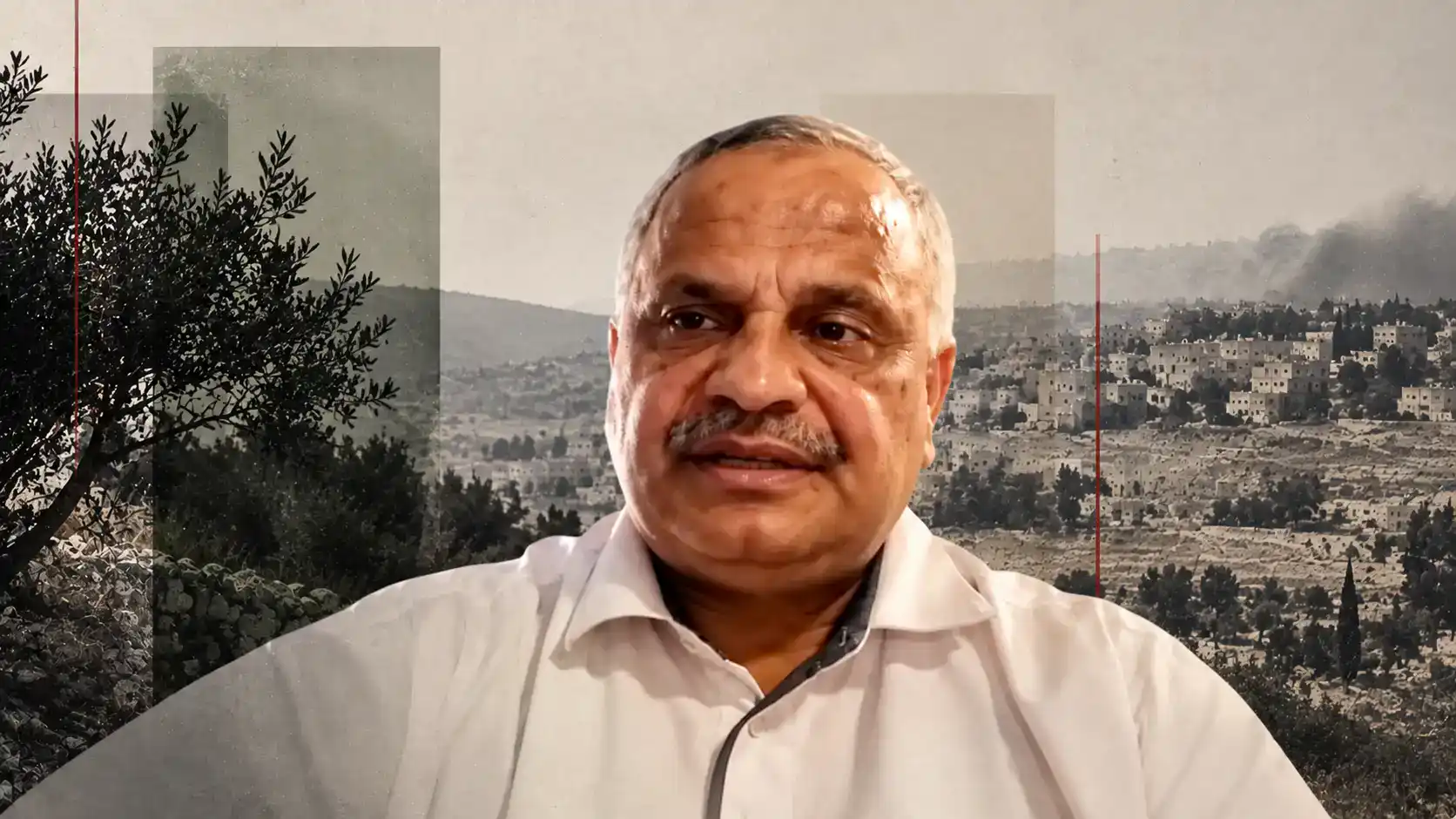






















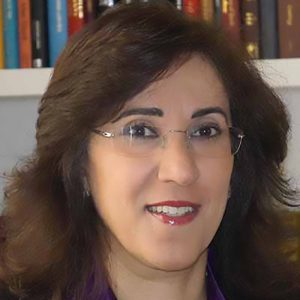



Sarah Leah Whitson is a human rights lawyer and author. She co-authored her recent book with Michael Omer-Man, “From Apartheid to Democracy: A Blueprint for Peace in Israel-Palestine,” published in 2025. She previously served as Executive Director of DAWN and Human Rights Watch’s MENA Division.
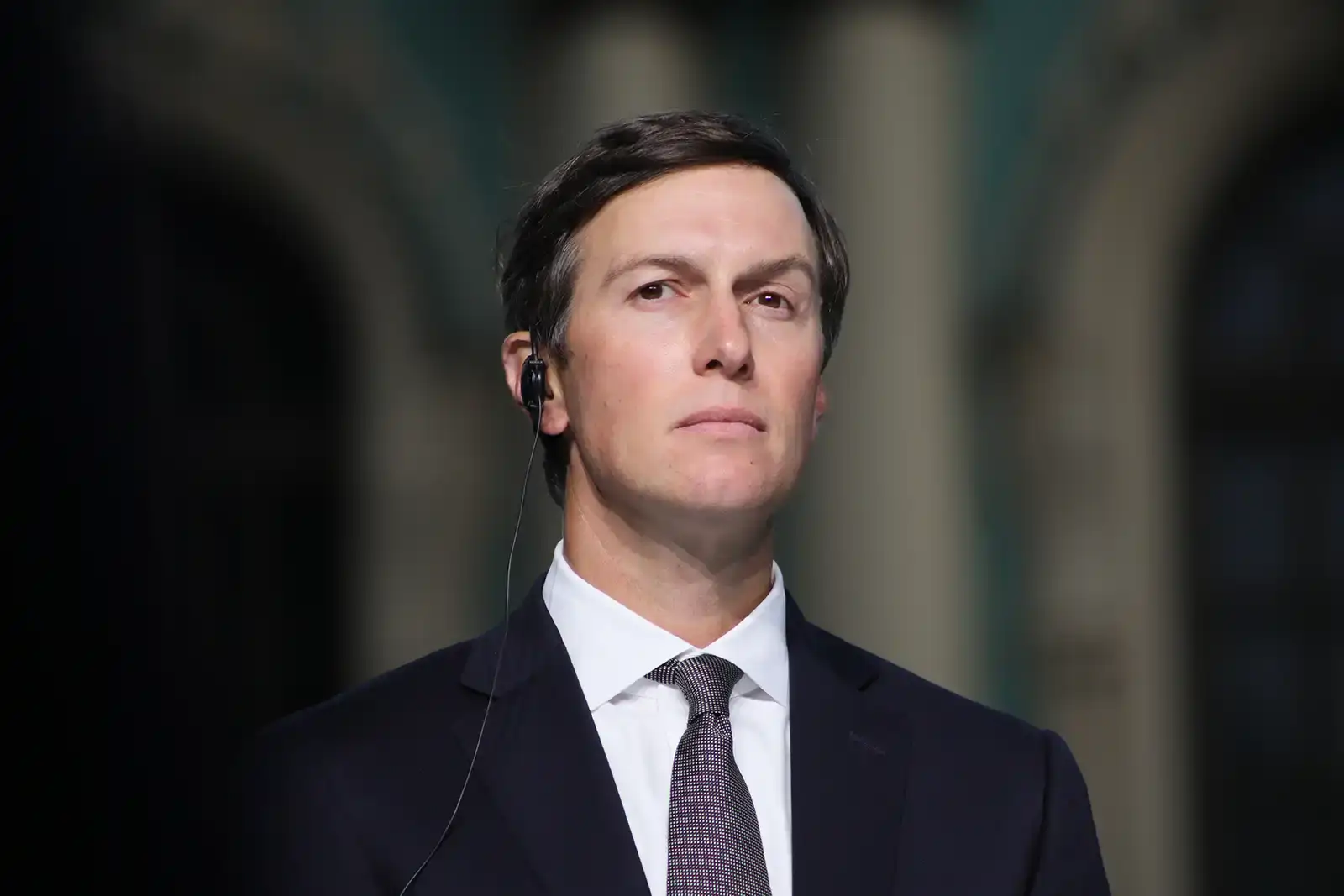
This week we learned that Jared Kushner's notorious investment fund, Affinity Partners, made an absolute killing on its investment in an Israeli financial conglomerate that held more than $456 million in Israeli companies supplying Israel's military. And as by far Affinity Partners' biggest investor, Saudi Arabia's Public Investment Fund (PIF) has benefited from those profits. It's doubtful that Saudi Arabians are even aware that their sovereign wealth has been invested in — and profited from — companies producing the bombs, drones, artillery and other weapons used by Israel to terrorize Palestinians in Gaza.
To understand these connections, we need to unravel the corporate structures used to obfuscate the quite ugly reality. In 2024 and 2025, Affinity Partners' principal fund, Affinity Partners Parallel Fund ILP, purchased significant stakes in Phoenix Financial, an Israeli financial conglomerate with substantial holdings in at least nine companies supplying weapons and equipment to the Israel Defense Forces. The companies included Elbit, Israel's largest weapons manufacturer, and other companies that provided Israeli forces with weapons, drones, warships, tank components and electronic fuses for artillery shells.
It's doubtful that Saudi Arabians are even aware that their sovereign wealth has been invested in — and profited from — companies producing the bombs, drones, artillery and other weapons used by Israel to terrorize Palestinians in Gaza.
- Sarah Leah Whitson
Affinity first bought 4.95% of Phoenix in July 2024 for about $128.5 million. In early 2025, it doubled its position to almost 10%, making Affinity Phoenix's largest shareholder. The investment was so lucrative that in July 2026, Affinity sold roughly one-quarter of its position for more than $340 million, a stunning return five times its original investment in those shares. It retained a 7.4% stake, currently valued at about $1 billion, and remains its largest shareholder.
Phoenix was, indeed, Affinity's "best investment," as Kushner called it, boosted at least in part by the staggering profits the Israeli military suppliers in Phoenix's portfolio enjoyed as a result of the Gaza war. Elbit's share price increased more than 165% since the beginning of the Gaza war. NextVision, which makes stabilized cameras used on Israeli military drones, saw its revenues increase 46% in 2025, and 112% so far this year. Bet Shemesh Engines, which makes engines for fighter jets; Reshef Technologies, which makes fuses for artillery shells; Ashot Ashkelon, which makes parts for armored tanks, to name a few of the companies in the portfolio, all saw tremendous profits, orders or revenues. Company officials openly bragged about the financial boon as a result of the war in Gaza, citing massive demand from the Israeli military.
Just as Affinity Partners was Phoenix's largest shareholder, the Saudi government's Public Investment Fund, chaired by Crown Prince Mohamed bin Salman, was, in turn, by far Affinity's largest stakeholder. Indeed, Saudi Arabia was the biggest initial investor in Affinity, purchasing its $2 billion stake six months after Kushner launched his startup fund on January 21, 2020, just a day after leaving his position in the first Trump White House.
Both the launch of Affinity Partners and the Saudi PIF investment triggered wide-scale criticism in the U.S. media and government, and led to numerous investigations by the House and Senate. These investigations ultimately failed to obtain all of the information they demanded about the conflicts of interest in the Kushner/MBS relationship; whether Kushner solicited financing for his fund while still in office (which would be a clear violation of government ethics rules); and why the PIF had proceeded with such a large investment in a founder who had no finance experience, despite the despite extraordinary objections from PIF's own investment screening panel.
In 2024 and 2025, Affinity Partners' principal fund, Affinity Partners Parallel Fund ILP, purchased significant stakes in Phoenix Financial, an Israeli financial conglomerate with substantial holdings in at least nine companies supplying weapons and equipment to the Israel Defense Forces.
- Sarah Leah Whitson
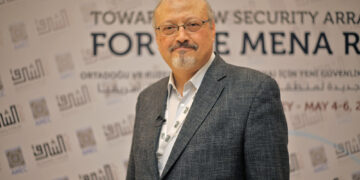
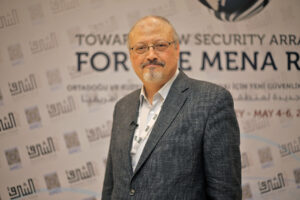
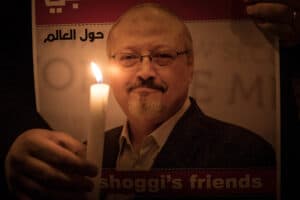
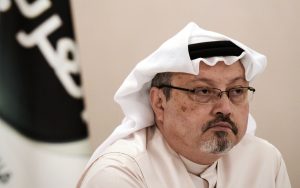
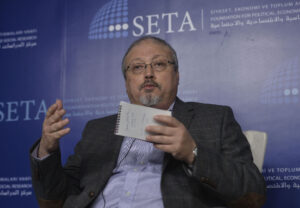
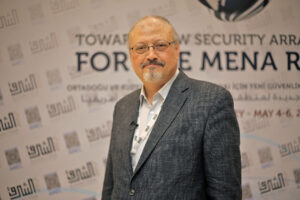
To critics, the Saudi investment appeared to be a reward for services well rendered by Kushner for MBS, shielding the Crown Prince from fallout for the murder of Jamal Khashoggi, sharing the identities of exiled Saudis who had sought support from the State Department and helping ensure advanced weapons sales to the Kingdom.
Perhaps none but the most cynical would have anticipated that Kushner would direct the Saudi PIF investment into Israeli weapons companies, but Kushner was transparent about his intention to direct part of the Saudi funds into Israeli companies in an effort to "create an investment corridor between Saudi Arabia and Israel," with the hope that closer financial ties would ease the path for political normalization via the Abraham Accords. Kushner and his team reportedly pitched Saudi officials on investing in Israel by warning that the Kingdom risked losing opportunities there to neighbors that had normalized relations with Israel. Saudi officials agreed that Affinity could invest Saudi money in Israel, despite Saudi Arabia having no diplomatic relations with Israel.
Nor was there any secret about Kushner's investment in Phoenix using Saudi PIF money. In 2024, when Affinity bought its initial Phoenix stake, the Israeli financial press was already describing the transaction as involving "Saudi money" and reported that this might complicate Israeli regulatory approval. Affinity structured its acquisition in two 4.95% tranches, because crossing Israel's 5% ownership threshold required regulatory approval. Israeli regulators themselves treated the Gulf and Saudi source of Affinity's capital as relevant to whether Kushner should be permitted to become Phoenix's largest shareholder.
The irony is hard to miss: Israeli regulators appear to have worried more about the Saudi money behind Affinity's acquisition of Phoenix than Saudi authorities appear to have worried about what that Israeli conglomerate was investing in. There's no record of the Saudi PIF ring-fencing its investment to restrict funding, at the very least, from Israeli weapons companies, if not Israeli companies entirely. There is no public evidence that, when Affinity acquired Phoenix, PIF examined or objected to Phoenix's substantial holdings in Israeli military suppliers. Nor is there any public evidence that, after the war in Gaza began, Saudi officials sought to withdraw their money from Affinity or restrict how it could be invested in Israel.
Whether the Saudi investment authorities were negligent and careless in allowing Kushner to effectively finance Israeli weapons companies with PIF funds or knew about it from the get-go and didn't care, the outcome is the same: Saudi public wealth acquired a financial interest in companies producing the bombs, shells, drones, artillery and other military equipment used against Palestinians in Gaza. As those companies' military business and share prices surged during the war, Saudi sovereign wealth participated in the resulting gains, even if neither PIF nor Affinity has disclosed how much. The profits PIF has enjoyed from Affinity's acquisition of Phoenix are drenched in the blood of Palestinian men, women and children.
The PIF assets belong to the Saudi people, of course, not the ruler who controls the fund and controls the country without any democratic legitimacy. The consequences of the Saudi people's lack of democratic control over how MBS governs and spends their sovereign wealth have now reached their most tragic heights: Saudi public wealth has become financially entangled with companies supplying Israel's war in Gaza, utterly contrary to the values and sentiments of the Saudi people.
The views and positions expressed in this article are those of the author(s) and do not necessarily reflect the views of DAWN.